The Importance of Music in Education
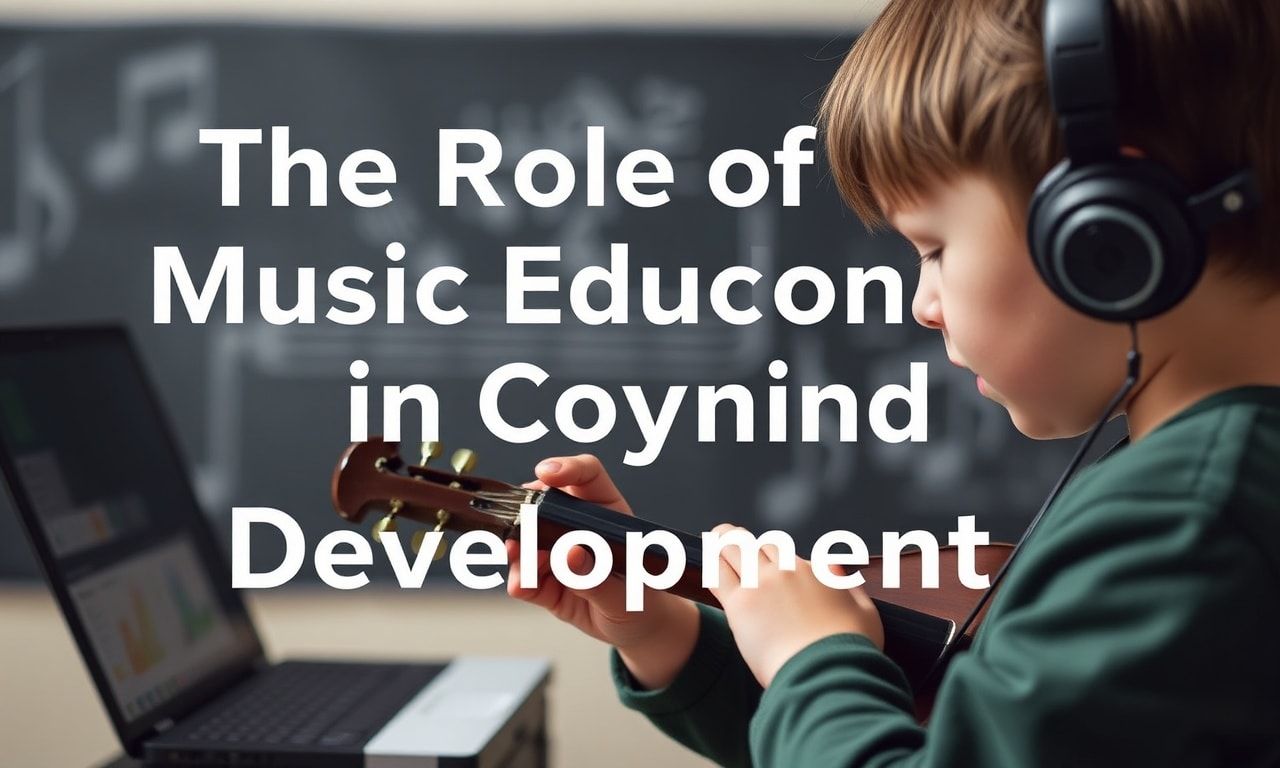
Music education has long been recognized as a vital component of a well-rounded curriculum. Beyond the sheer enjoyment of creating and listening to music, engaging with musical activities can significantly enhance cognitive development. Schools around the world are increasingly integrating music into their educational programs, acknowledging its profound impact on students’ academic and personal growth. From improving memory and concentration to fostering creativity and emotional intelligence, the benefits of music education are manifold.
Enhancing Cognitive Skills Through Music
Research has shown that learning to play an instrument or participating in musical activities can enhance various cognitive skills. For instance, playing an instrument requires the use of both hemispheres of the brain, thereby improving neural connections. This can lead to better problem-solving abilities, enhanced memory, and improved spatial-temporal skills. Additionally, reading music notation and understanding rhythm can boost literacy and mathematical abilities. These cognitive benefits make music education an invaluable tool in the educational arsenal.
Memory and Concentration
One of the most notable benefits of music education is its positive impact on memory and concentration. Learning to play an instrument or sing requires memorizing complex sequences of notes and rhythms. This process strengthens the brain’s ability to retain information, which can translate to improved academic performance in other subjects. Furthermore, the focused practice required in music education helps students develop better concentration skills, enabling them to stay engaged and attentive in various learning environments.
Creativity and Emotional Intelligence
Music is a powerful medium for self-expression and creativity. Engaging in musical activities encourages students to explore their emotions and express themselves in new and innovative ways. This not only fosters creativity but also enhances emotional intelligence. By understanding and managing their emotions through music, students can develop better interpersonal skills and empathy. These qualities are crucial for personal and professional success, making music education a valuable component of holistic education.
Integrating Music Education in Schools
To maximize the benefits of music education, schools must integrate it into their curricula effectively. This can be achieved through various means, such as offering music classes as part of the core curriculum, providing extracurricular music programs, and encouraging participation in school bands or choirs. Additionally, schools can collaborate with local music schools and organizations to offer additional resources and opportunities for students. For example, platforms like भारत में संगीत समाचार आज can provide valuable insights and updates on the latest trends and events in the music world, inspiring students to explore and appreciate music further.
Teacher Training and Resources
Effective music education requires well-trained teachers and adequate resources. Schools should invest in professional development programs for music educators to ensure they are equipped with the latest teaching methods and technologies. Additionally, providing access to high-quality instruments, sheet music, and digital resources can enhance the learning experience. By creating a supportive and enriching environment, schools can help students develop a lifelong appreciation for music and its benefits.
The Future of Music Education
The future of music education looks promising, with advancements in technology and research continuing to uncover new ways to integrate music into learning. Virtual reality, artificial intelligence, and online platforms are revolutionizing the way students engage with music. These innovations offer personalized learning experiences, making music education more accessible and engaging for students of all ages and abilities. As we move forward, it is essential to embrace these technological advancements and continue advocating for the importance of music education in schools.
Advocating for Music Education
Advocating for music education involves raising awareness about its benefits and the need for adequate funding and resources. Parents, teachers, and community members can play a crucial role in advocating for music programs in schools. By participating in local school boards, attending parent-teacher meetings, and supporting music-related events, individuals can help ensure that music education remains a priority. Additionally, sharing success stories and research findings can highlight the positive impact of music education on students’ lives, fostering a broader understanding and appreciation of its value.