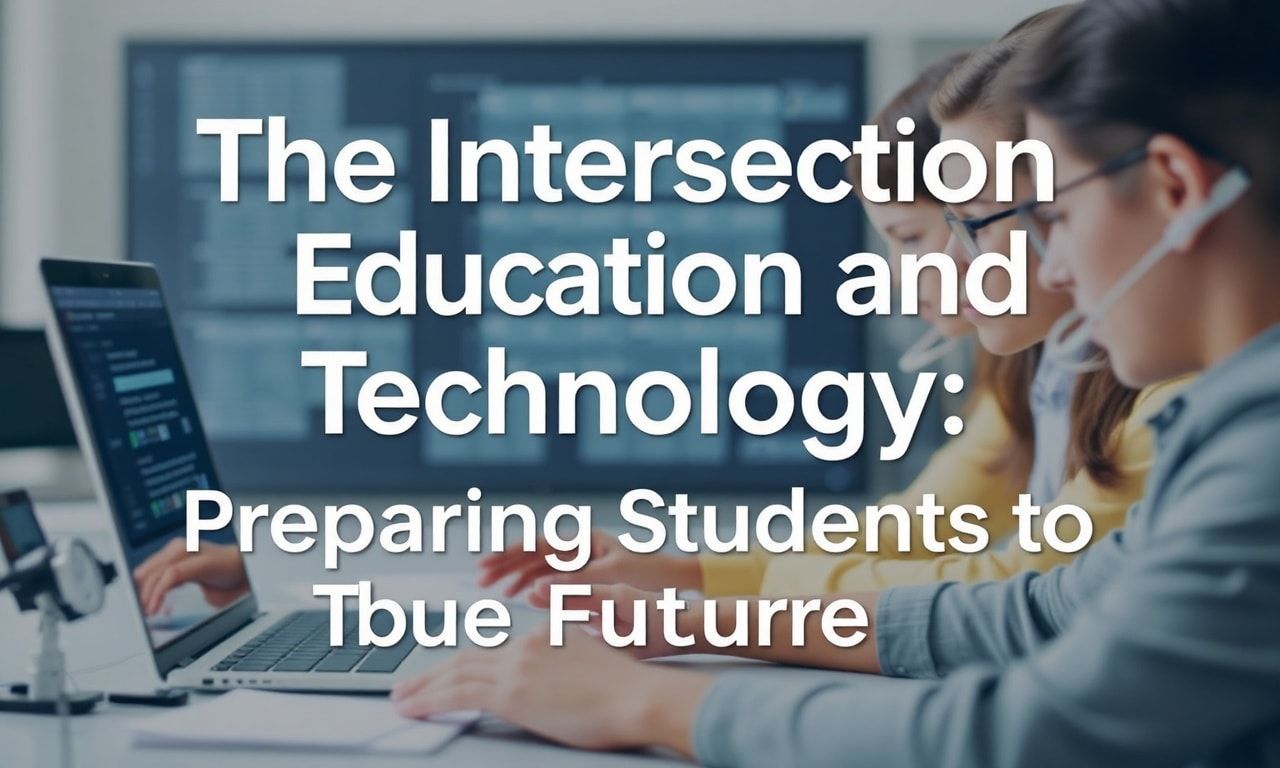
The Evolution of Educational Technology
The landscape of education has undergone a significant transformation with the advent of technology. From traditional chalkboards to interactive smart boards, the integration of technology in classrooms has revolutionized the way students learn and educators teach. This shift is not merely about replacing old tools with new ones but about creating a more dynamic, engaging, and personalized learning environment. The rapid advancement of educational technology has made it possible to cater to diverse learning styles and needs, ensuring that every student has the opportunity to thrive.
One of the most notable advancements in educational technology is the use of digital platforms and tools that facilitate remote learning. The COVID-19 pandemic accelerated the adoption of these technologies, proving that education can continue uninterrupted despite physical limitations. Platforms like Zoom, Google Classroom, and Microsoft Teams have become integral parts of the educational ecosystem, enabling teachers to deliver lessons and students to participate in real-time from anywhere in the world. This shift has also highlighted the importance of digital literacy, a skill that is increasingly becoming essential in both academic and professional settings.
The Role of Educational Technology in Skill Development
Educational technology plays a crucial role in developing a wide range of skills that are essential for success in the 21st century. These skills include digital literacy, critical thinking, problem-solving, collaboration, and creativity. By integrating technology into the curriculum, educators can create interactive and engaging learning experiences that encourage students to think critically and solve complex problems. For example, coding and robotics programs not only teach students technical skills but also foster creativity and innovation.
Moreover, educational technology provides students with access to a wealth of resources and information that can enhance their learning experience. Online libraries, educational websites, and digital textbooks offer a vast array of materials that can supplement classroom learning. Students can explore topics in greater depth, conduct research, and access up-to-date information that is relevant to their studies. This access to resources empowers students to take control of their learning and develop a deeper understanding of the subjects they are studying.
The Importance of Digital Literacy
Digital literacy is a critical skill that students must develop to succeed in today’s technology-driven world. Digital literacy encompasses a range of skills, including the ability to navigate digital platforms, evaluate online information, and use technology to create and share content. As technology continues to evolve, the demand for digitally literate individuals will only increase. Educators play a vital role in equipping students with the skills they need to thrive in a digital environment.
One way to promote digital literacy is through the integration of technology into the curriculum. For example, students can learn to use digital tools to conduct research, create presentations, and collaborate on projects. They can also learn about online safety and the ethical use of technology. By incorporating these skills into the curriculum, educators can help students become responsible digital citizens who can navigate the online world with confidence and competence.
Another important aspect of digital literacy is the ability to evaluate online information critically. With the proliferation of misinformation and fake news, it is more important than ever for students to develop the skills to discern reliable sources from unreliable ones. Educators can teach students how to fact-check information, verify sources, and think critically about the content they encounter online. These skills are not only essential for academic success but also for making informed decisions in everyday life.
The Future of Educational Technology
The future of educational technology is bright, with new innovations and advancements on the horizon. Emerging technologies such as artificial intelligence (AI), virtual reality (VR), and augmented reality (AR) have the potential to transform the way students learn and educators teach. For example, AI-powered tutoring systems can provide personalized learning experiences that adapt to the needs of individual students. VR and AR technologies can create immersive learning environments that allow students to explore historical events, conduct virtual science experiments, and engage in interactive simulations.
As technology continues to evolve, it is essential for educators to stay informed about the latest trends and innovations in educational technology. Professional development programs and workshops can provide educators with the skills and knowledge they need to effectively integrate technology into their teaching practices. By embracing new technologies, educators can create dynamic and engaging learning environments that prepare students for the challenges and opportunities of the future.
In conclusion, the integration of technology in education has the potential to revolutionize the way students learn and educators teach. By leveraging the power of educational technology, educators can create personalized, engaging, and interactive learning experiences that cater to the diverse needs of their students. As technology continues to evolve, it is essential for educators to stay informed about the latest trends and innovations in educational technology. By embracing new technologies, educators can prepare students for the challenges and opportunities of the future and ensure that they are equipped with the skills they need to succeed in a rapidly changing world.
Real-World Applications of Technology in Education
To better understand the impact of technology in education, it is helpful to examine real-world examples of how technology is being used in classrooms around the world. For instance, many schools have implemented one-to-one device programs, where each student is provided with a tablet or laptop to use for learning. These devices enable students to access digital textbooks, conduct research, and collaborate on projects with their peers. Additionally, teachers can use these devices to deliver interactive lessons, track student progress, and provide personalized feedback.
Another example of technology in education is the use of educational apps and software. These tools can help students develop a wide range of skills, from math and science to language arts and social studies. For example, apps like Duolingo and Khan Academy provide students with interactive and engaging learning experiences that can supplement classroom instruction. Similarly, software like Scratch and Code.org can help students develop coding and programming skills, which are increasingly important in today’s digital world.
In addition to these examples, technology can also be used to support students with special needs. Assistive technologies, such as text-to-speech software, speech recognition tools, and digital math notation, can help students with disabilities access the curriculum and participate fully in classroom activities. By providing students with the tools they need to succeed, educators can create inclusive learning environments that cater to the diverse needs of all students.
As technology continues to advance, it is essential for educators to explore new and innovative ways to integrate technology into their teaching practices. By leveraging the power of educational technology, educators can create dynamic and engaging learning environments that prepare students for the challenges and opportunities of the future. Whether through one-to-one device programs, educational apps, or assistive technologies, the possibilities for using technology in education are endless. By embracing these innovations, educators can ensure that their students are equipped with the skills they need to succeed in a rapidly changing world.
For those interested in learning more about the latest advancements in technology, the Honda Civic tech guide and features offers a comprehensive overview of the innovative features and technologies found in modern vehicles. This resource can provide valuable insights into how technology is being used to enhance the driving experience and improve safety on the road.
To stay ahead in today’s educational landscape, discover how technology shapes future skills development in our latest article.