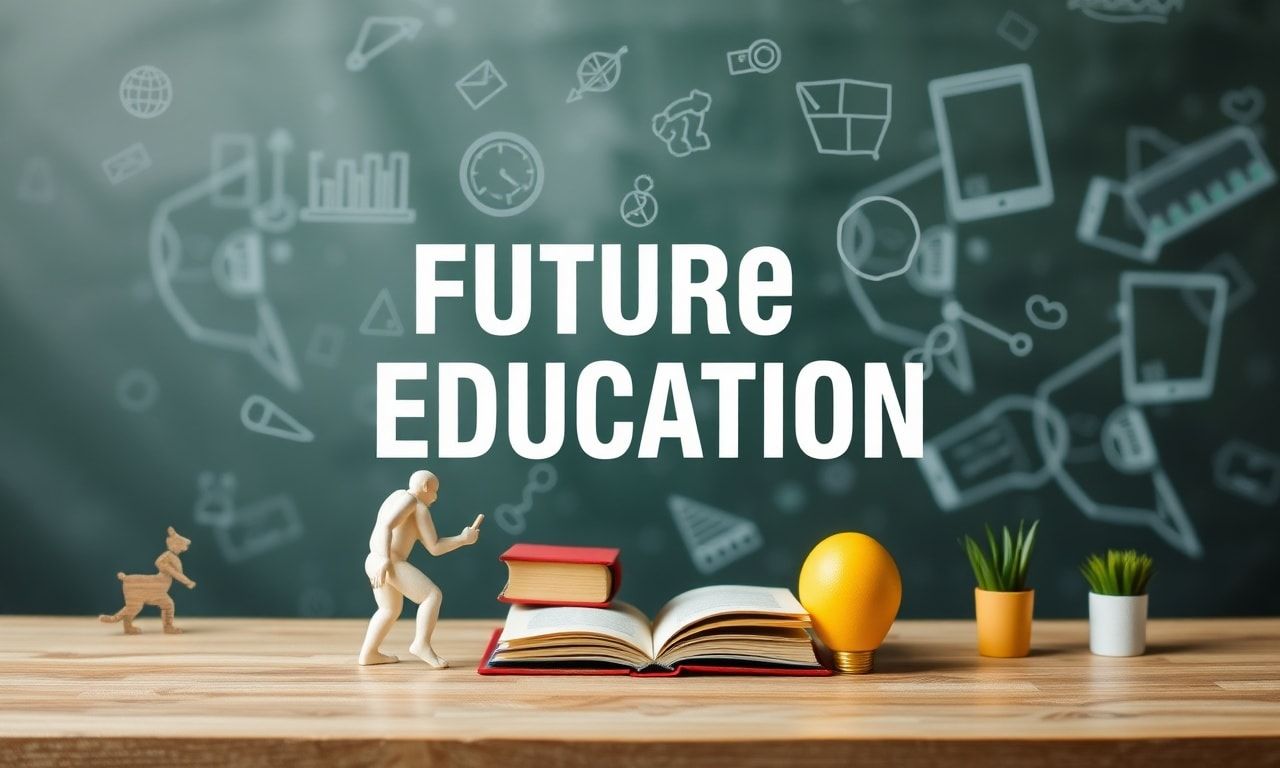
The Evolution of Education
The landscape of education is undergoing a profound transformation, driven by technological advancements, changing societal needs, and global economic shifts. As we move into 2024 and beyond, it is crucial to understand the emerging trends and opportunities that will shape the future of learning. This article explores the key trends in education, the skills that will be in demand, and the investment opportunities that are likely to arise from these changes.
Emerging Trends in Education
Several trends are set to redefine education in the coming years. These include:
- Personalized Learning: The use of artificial intelligence (AI) and machine learning (ML) to tailor educational experiences to individual students’ needs and learning styles.
- Virtual and Augmented Reality (VR/AR): Immersive technologies that provide interactive and engaging learning environments.
- Micro-Credentials and Badges: Short, focused courses that offer specific skills and competencies, often recognized by employers.
- Lifelong Learning: The growing emphasis on continuous education and upskilling throughout one’s career.
- Global Collaboration: Increased collaboration between educational institutions worldwide, facilitated by digital platforms.
These trends highlight the shift towards more flexible, accessible, and personalized education models. As these trends gain traction, they will create new opportunities for educators, students, and investors alike.
The Role of Technology in Education
Technology is at the heart of the educational revolution. AI and ML are being used to analyze student performance data and provide personalized recommendations for improvement. Virtual and augmented reality technologies are creating immersive learning experiences that were previously unimaginable. For instance, medical students can now practice surgeries in a virtual environment, and history students can take virtual tours of ancient civilizations.
Moreover, the rise of online learning platforms has made education more accessible than ever. Platforms like Coursera, edX, and Khan Academy offer a wide range of courses from top universities and institutions, allowing learners to acquire new skills and knowledge at their own pace. This democratization of education is leveling the playing field and providing opportunities for individuals who may not have access to traditional educational institutions.
Skills in Demand
As the job market evolves, so do the skills that are in demand. According to a report by the World Economic Forum, the top skills for 2024 include complex problem-solving, critical thinking, creativity, people management, and emotional intelligence. These skills are not only valuable in the workplace but also essential for navigating an increasingly complex and interconnected world.
In addition to these soft skills, technical skills such as data analysis, digital marketing, and software development are also highly sought after. The rapid pace of technological change means that professionals must continuously update their skills to stay relevant. This is where lifelong learning comes into play, as individuals must be willing to invest in their own education and development throughout their careers.
For those looking to invest in the education sector, understanding these trends and the skills that will be in demand is crucial. For example, the Indian market analysis and investment opportunities for 2026 highlights the growing demand for education and training services in India, driven by a young and rapidly growing population. This presents a significant opportunity for investors to support the development of new educational models and technologies.
Investment Opportunities in Education
The education sector is ripe for investment, with numerous opportunities arising from the trends and changes discussed above. Investors can support the development of new educational technologies, platforms, and content. They can also invest in companies that provide infrastructure and services to educational institutions, such as cloud computing and cybersecurity.
Furthermore, the rise of online learning has created opportunities for investors to support the development of new educational models and platforms. For instance, companies that offer micro-credentials and badges are gaining traction, as they provide a flexible and affordable way for individuals to acquire new skills. Investors can also support the development of VR/AR technologies, which have the potential to revolutionize the way we learn.
In addition to these opportunities, investors can also support the development of educational content and resources. This includes the creation of high-quality online courses, educational games, and interactive learning tools. By investing in these areas, investors can help to democratize education and provide opportunities for individuals around the world.
The Future of Work and Education
The future of work is closely tied to the future of education. As automation and AI continue to transform the job market, the demand for certain skills will increase, while the demand for others will decrease. This means that individuals must be prepared to adapt and acquire new skills throughout their careers.
Education will play a crucial role in preparing individuals for the future of work. By providing access to high-quality education and training, educational institutions can help individuals to develop the skills they need to succeed in the 21st-century workplace. This is where lifelong learning comes into play, as individuals must be willing to invest in their own education and development throughout their careers.
Investors can support the development of new educational models and technologies that prepare individuals for the future of work. For example, companies that offer reskilling and upskilling programs can help individuals to transition to new careers and industries. By investing in these areas, investors can help to create a more resilient and adaptable workforce.
Conclusion
The future of education is bright, with numerous trends and opportunities on the horizon. As technology continues to transform the way we learn, educational institutions and investors must adapt to meet the changing needs of students and the job market. By supporting the development of new educational models and technologies, investors can help to create a more accessible, flexible, and personalized education system that prepares individuals for the challenges and opportunities of the 21st century.
Whether you are an educator, a student, or an investor, understanding these trends and opportunities is crucial for navigating the future of education. By staying informed and proactive, we can all play a role in shaping the future of learning and creating a more educated and skilled global workforce.
To gain a unique perspective on financial management, consider exploring athletes’ wealth management strategies, an intriguing blend of sports and finance.
To gain a deeper understanding of how artificial intelligence is transforming the financial sector, delve into our latest feature on AI in stock market analysis.
To deepen your understanding of financial markets, consider exploring bond market trends and economic shifts, a crucial aspect of economic education.