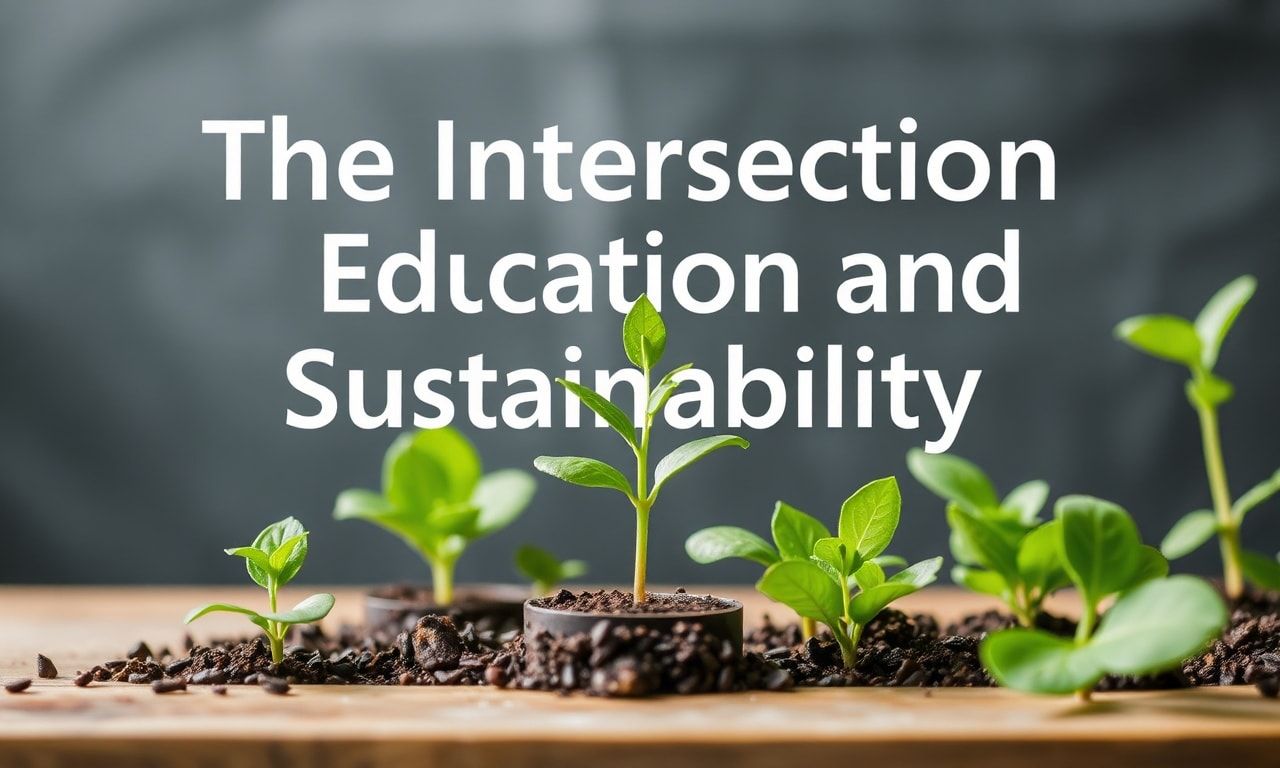
The Importance of Sustainability Education
In today’s rapidly changing world, the need for sustainability education has never been more critical. As we face pressing environmental challenges, it is essential to equip students with the knowledge and skills necessary to create a more sustainable future. Integrating sustainability into the curriculum not only enhances students’ understanding of environmental issues but also fosters a sense of responsibility and stewardship towards the planet.
Incorporating Sustainability into the Curriculum
Educational institutions are increasingly recognizing the importance of incorporating sustainability into their teaching programs. This can be achieved through various means, such as:
- Environmental Science Courses: Offering dedicated courses that focus on environmental science, climate change, and sustainable practices.
- Interdisciplinary Approaches: Integrating sustainability topics into subjects like mathematics, literature, and social studies to provide a holistic understanding.
- Project-Based Learning: Engaging students in hands-on projects that address real-world sustainability challenges, such as home improvement projects for energy efficiency.
- Field Trips and Experiential Learning: Organizing field trips to local environmental sites, such as nature reserves or recycling centers, to provide practical learning experiences.
The Role of Technology in Sustainability Education
Technology plays a pivotal role in enhancing sustainability education. Digital tools and platforms can provide interactive and engaging learning experiences. For instance, virtual reality (VR) can simulate environmental scenarios, allowing students to explore the impacts of climate change and sustainable practices in a virtual setting. Additionally, online courses and webinars can make sustainability education accessible to a broader audience, including those in remote areas.
The Benefits of Sustainability Education
Sustainability education offers numerous benefits, both for students and the broader community. Some of the key advantages include:
- Enhanced Critical Thinking: Students develop critical thinking skills by analyzing complex environmental issues and devising sustainable solutions.
- Increased Awareness: Raising awareness about environmental challenges and the importance of sustainable practices.
- Skill Development: Equipping students with practical skills in areas such as renewable energy, waste management, and conservation.
- Community Engagement: Encouraging students to engage with their communities and contribute to local sustainability initiatives.
Case Studies and Success Stories
Several educational institutions have successfully integrated sustainability into their curricula, serving as inspiring examples for others to follow. For instance, some schools have implemented comprehensive sustainability programs that include:
- Green Schools Initiatives: Schools that have achieved green certifications by implementing sustainable practices, such as energy-efficient buildings and waste reduction programs.
- Student-Led Projects: Students leading initiatives like community gardens, recycling programs, and awareness campaigns.
- Partnerships with Environmental Organizations: Collaborating with non-profits and environmental groups to provide students with real-world learning opportunities.
Challenges and Solutions
While the benefits of sustainability education are clear, there are also challenges that need to be addressed. Some common obstacles include:
- Limited Resources: Many schools and educational institutions face budget constraints that limit their ability to implement comprehensive sustainability programs.
- Curriculum Constraints: Existing curricula may not have the flexibility to incorporate new sustainability topics.
- Teacher Training: Teachers may require additional training and resources to effectively teach sustainability topics.
To overcome these challenges, schools can seek partnerships with local businesses, non-profits, and government agencies to secure funding and resources. Additionally, professional development programs for teachers can provide the necessary training and support to integrate sustainability into the curriculum effectively.
Conclusion
Sustainability education is a vital component of modern education, equipping students with the knowledge and skills needed to address environmental challenges. By incorporating sustainability into the curriculum, leveraging technology, and overcoming common challenges, educational institutions can play a crucial role in creating a greener and more sustainable future. As we continue to face pressing environmental issues, the importance of sustainability education cannot be overstated. It is our collective responsibility to ensure that future generations are well-prepared to protect and preserve our planet.
If you’re keen on sustainable living and practical skills, consider exploring Berlin’s zero-waste kitchen movement, an inspiring example of waste reduction in action.
To expand your knowledge on sustainability and innovation, consider exploring global food waste solutions, a critical area of study for those interested in environmental science and policy.
To deepen your understanding of sustainable practices, consider exploring electric vehicles and eco-friendly habits in our latest educational piece.