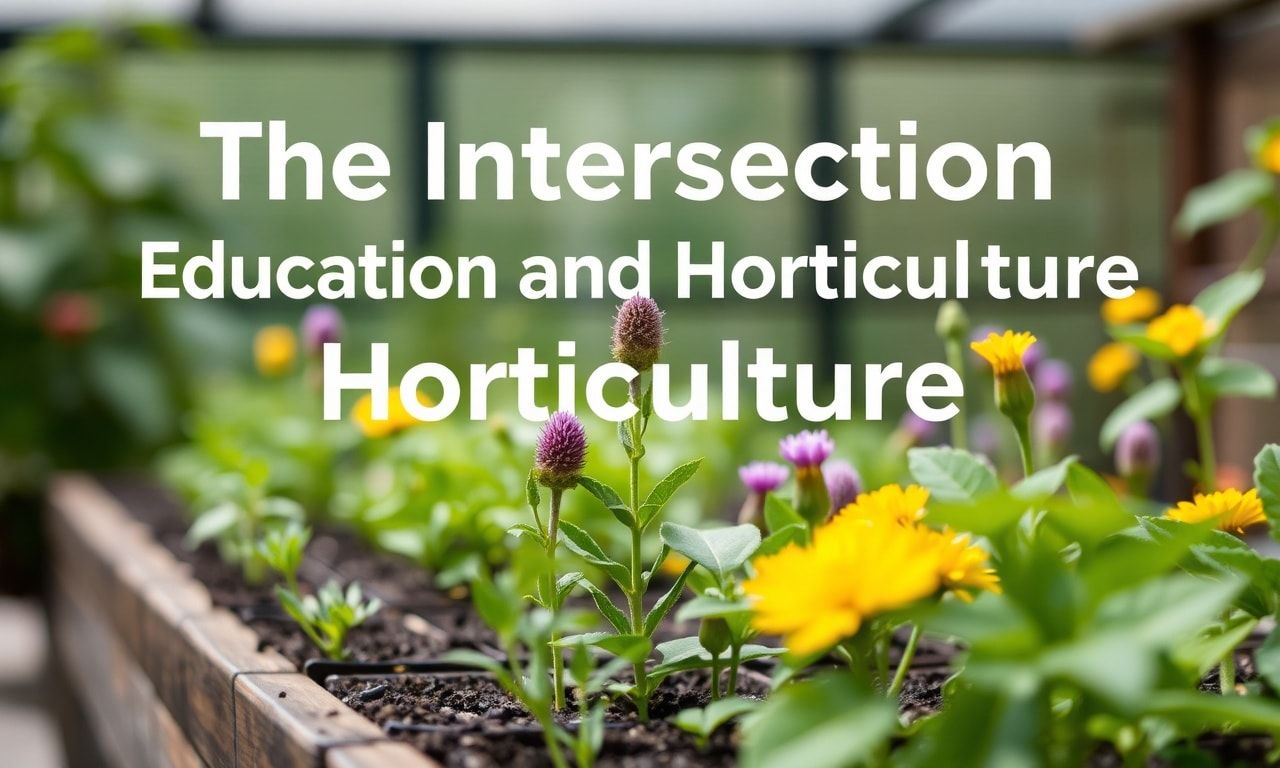
The Importance of Practical Skills in Education
In the ever-evolving landscape of education, the emphasis on practical skills has become increasingly prominent. While traditional academic subjects remain crucial, the integration of hands-on learning experiences can significantly enhance a student’s overall development. One such area that offers a wealth of educational benefits is horticulture. Engaging in garden-related activities not only teaches students about plant biology and environmental science but also fosters responsibility, patience, and a deeper connection to nature.
The Educational Benefits of Horticulture
Incorporating horticulture into the curriculum can provide numerous educational advantages. For instance, students can learn about the life cycles of plants, the importance of biodiversity, and the impact of human activities on the environment. These lessons align with key educational standards and can be tailored to various age groups and learning levels. Additionally, gardening activities can improve fine motor skills, encourage teamwork, and even boost mental well-being by reducing stress and anxiety.
Enhancing Science and Math Skills
Gardening is a practical application of scientific and mathematical concepts. Students can measure plant growth, track weather patterns, and observe the effects of different variables on plant health. These activities make abstract concepts more tangible and engaging. For example, understanding the relationship between sunlight, water, and plant growth can reinforce lessons in biology and chemistry. Similarly, measuring garden plots and calculating the amount of soil or fertilizer needed can enhance mathematical skills.
Promoting Environmental Awareness
Horticulture also plays a vital role in promoting environmental awareness. By participating in garden projects, students can learn about sustainable practices, such as composting, water conservation, and the use of organic fertilizers. These lessons can inspire a lifelong commitment to environmental stewardship. Moreover, schools can create community gardens that serve as educational hubs, where students, teachers, and community members can collaborate on projects that benefit the local ecosystem.
Integrating Horticulture into the Curriculum
To effectively integrate horticulture into the curriculum, educators can develop interdisciplinary projects that combine science, math, art, and even history. For example, students can study the history of gardening practices in different cultures while also learning about the scientific principles behind plant growth. Art classes can incorporate garden design and the creation of garden-related crafts. Physical education classes can include outdoor activities that involve garden maintenance and upkeep.
One valuable resource for educators looking to enhance their horticulture programs is the bahçe bakımı ipuçları rehber. This guide offers practical tips and strategies for garden maintenance, which can be adapted to educational settings. By utilizing such resources, teachers can ensure that their students receive comprehensive and practical knowledge about gardening.
Creating School Gardens
Establishing school gardens is an excellent way to integrate horticulture into the educational experience. These gardens can serve as outdoor classrooms where students can engage in hands-on learning activities. Schools can allocate a specific area for gardening and involve students in the planning, planting, and maintenance of the garden. This collaborative effort can foster a sense of ownership and responsibility among students, while also providing a space for them to apply their academic knowledge in a practical setting.
Community Involvement
Involving the community in school gardening projects can further enhance the educational experience. Local businesses, gardening clubs, and environmental organizations can provide resources, expertise, and support for school gardens. Community members can also participate in workshops and events that promote gardening and environmental awareness. This collaborative approach not only enriches the educational experience but also strengthens the bond between the school and the community.
The Role of Technology in Horticultural Education
Technology can play a significant role in enhancing horticultural education. Educational apps, online resources, and virtual simulations can provide students with additional tools and information about gardening. For example, students can use apps to track plant growth, identify different plant species, and learn about gardening techniques. Virtual simulations can allow students to experiment with different gardening scenarios without the need for physical space or resources.
Online Resources and Courses
There are numerous online resources and courses available that can supplement horticultural education. Websites, YouTube channels, and online forums offer a wealth of information about gardening techniques, plant care, and garden design. Educators can incorporate these resources into their lesson plans to provide students with a comprehensive understanding of horticulture. Online courses can also offer certification programs that can enhance students’ resumes and career prospects.
Conclusion
The integration of horticulture into the educational curriculum offers a multitude of benefits for students. From enhancing scientific and mathematical skills to promoting environmental awareness and community involvement, gardening activities can significantly enrich the learning experience. By utilizing resources like the bahçe bakımı ipuçları rehber and incorporating technology into horticultural education, educators can create engaging and practical learning opportunities that prepare students for a sustainable future.
To enhance your understanding of cultural adaptation and personal growth, consider exploring living fully in Madrid, a guide that offers practical advice for a fulfilling life in a new environment.
Discover how creative expression can boost learning in our insightful piece fashion’s role in education.
To enhance your understanding of fashion and personal styling, consider exploring elevating outfits with jewelry for practical tips and techniques.