The Digital Transformation of Learning
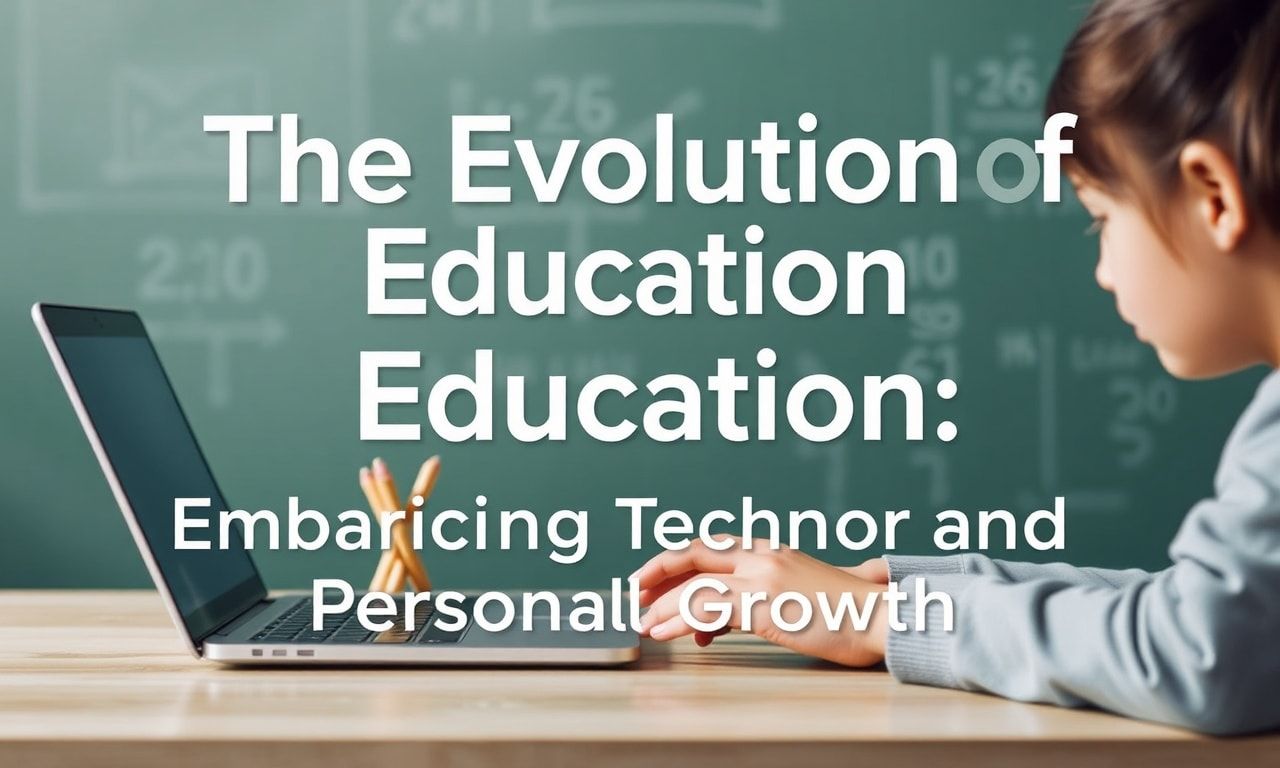
The landscape of education is undergoing a profound transformation, driven by technological advancements and innovative teaching methodologies. Traditional classrooms are evolving to incorporate digital tools that enhance learning experiences and cater to diverse learning styles. This shift is not only about integrating technology but also about fostering a holistic approach to education that emphasizes personal growth and continuous improvement.
Integrating Technology in the Classroom
One of the most significant changes in modern education is the integration of technology into the classroom. Interactive whiteboards, educational software, and online learning platforms have become integral parts of the teaching process. These tools enable educators to create engaging and interactive lessons that captivate students’ attention and facilitate a deeper understanding of complex concepts. Additionally, technology allows for personalized learning experiences, where students can progress at their own pace and receive tailored feedback.
For instance, platforms like Khan Academy and Coursera offer a wealth of resources that students can access anytime, anywhere. These platforms provide courses on a wide range of subjects, from mathematics and science to literature and history. By leveraging technology, educators can create a more dynamic and inclusive learning environment that caters to the needs of all students.
The Role of Personal Development in Education
Education is not just about acquiring knowledge; it is also about developing essential life skills and fostering personal growth. Schools and universities are increasingly recognizing the importance of incorporating personal development programs into their curricula. These programs focus on areas such as time management, communication skills, and emotional intelligence, which are crucial for success in both academic and professional settings.
Incorporating personal development into education helps students become well-rounded individuals who are not only academically proficient but also emotionally intelligent and socially aware. For example, mindfulness practices and stress management techniques are being integrated into school curricula to help students cope with the pressures of modern life. These skills are essential for maintaining mental well-being and achieving long-term success.
Lifelong Learning and Continuous Improvement
In today’s fast-paced world, the concept of lifelong learning has gained significant traction. The idea that education does not end with formal schooling but continues throughout one’s life is becoming increasingly important. Continuous learning allows individuals to adapt to changing circumstances, acquire new skills, and stay competitive in the job market.
For those seeking to improve their daily lives, resources like Lebensstil Tipps tägliche Verbesserung offer practical advice on personal development and self-improvement. These resources provide valuable insights into how individuals can enhance their productivity, manage their time effectively, and cultivate positive habits that contribute to overall well-being.
The Future of Education
The future of education lies in the intersection of technology and personal development. As we move forward, it is essential to create learning environments that are not only technologically advanced but also supportive of students’ emotional and social needs. By embracing a holistic approach to education, we can prepare the next generation to thrive in an ever-changing world.
In conclusion, the evolution of education is characterized by a shift towards digital learning and a focus on personal growth. By integrating technology and personal development programs into the educational framework, we can create a more inclusive and effective learning environment that prepares students for the challenges of the 21st century.
To understand the fascinating intersection of culture, travel, and gastronomy, explore culinary tourism’s global influence and its role in shaping contemporary travel trends.
To ensure a secure and trustworthy learning environment, consider exploring SSL certificates in education and their benefits for online courses and academic platforms.
To understand how surroundings influence academic achievements, delve into student success and learning spaces for an insightful exploration.