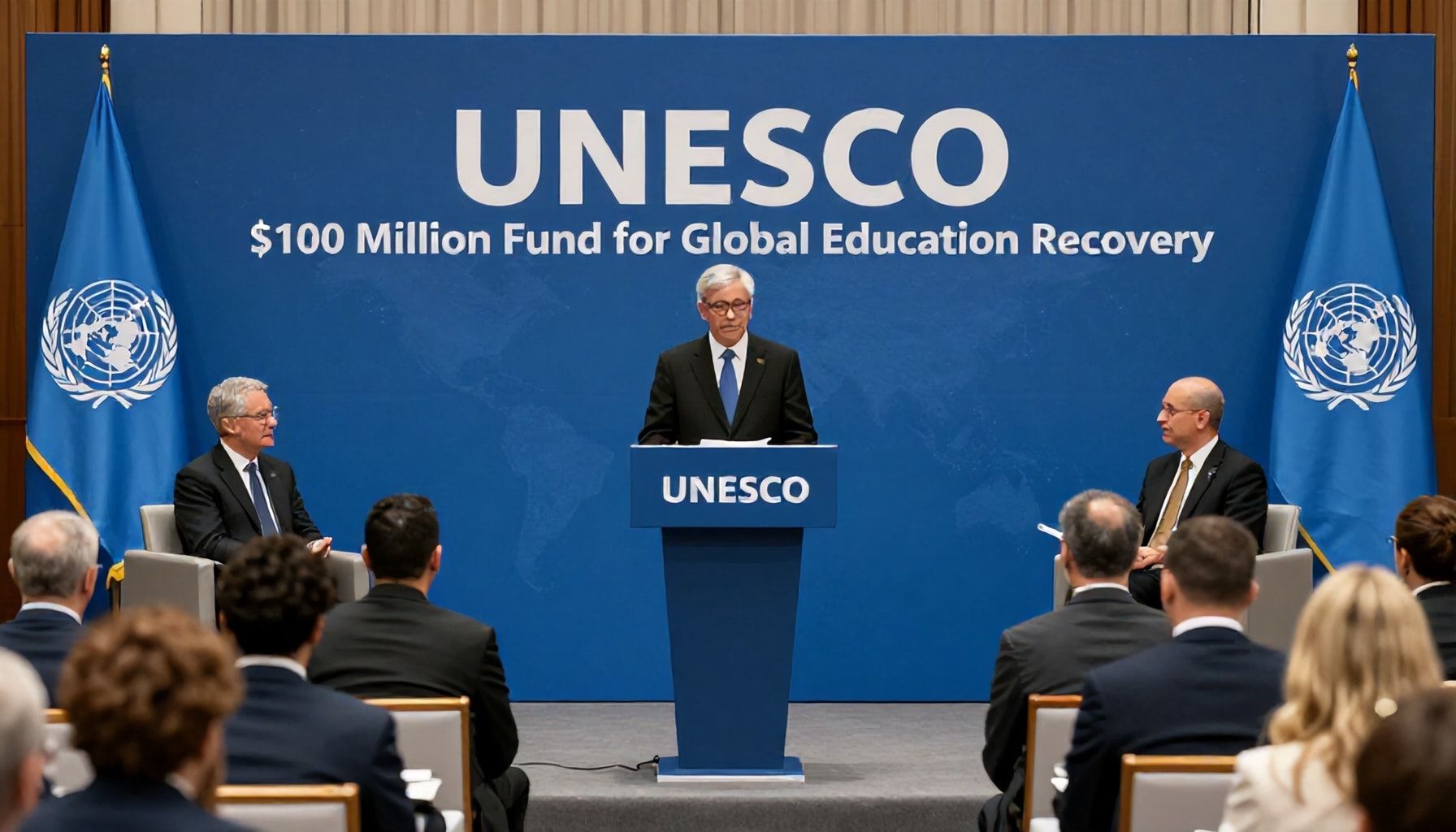
More than 1.6 billion students worldwide have faced unprecedented disruptions to their education due to the COVID-19 pandemic. In response to this crisis, the United Nations Educational, Scientific and Cultural Organization (UNESCO) has taken a significant step by launching a $100 million fund dedicated to global education recovery.
This initiative underscores the urgent need to address the learning losses and inequities exacerbated by the pandemic. The fund, spearheaded by UNESCO, aims to support countries in rebuilding their education systems, ensuring that no student is left behind. By focusing on innovation, equity, and resilience, the program seeks to create a more inclusive and robust educational landscape. The United Nations Educational, Scientific and Cultural Organization’s commitment to this cause highlights the critical role of international collaboration in overcoming global challenges.
UNESCO's bold move to revive education
UNESCO is taking decisive action to address learning losses caused by the pandemic. The organization has launched a $100 million fund aimed at accelerating education recovery worldwide. This bold initiative targets the most vulnerable populations, with a particular focus on girls and marginalized communities. By prioritizing these groups, UNESCO hopes to bridge widening education gaps and foster inclusive growth.
The fund will support countries in implementing evidence-based interventions. These include catch-up classes, teacher training, and the development of digital learning platforms. UNESCO estimates that without urgent action, the pandemic could push an additional 24 million children out of school. The organization is calling on governments, private sector partners, and philanthropic organizations to contribute to this critical effort.
Education experts have praised UNESCO’s proactive approach. A senior policy advisor at a leading international education organization noted that targeted investments in education recovery can yield significant long-term benefits. “When we invest in education, we invest in the future,” the advisor stated. “This fund represents a crucial step towards ensuring that no child is left behind.”
UNESCO’s fund will also focus on building resilient education systems. By strengthening infrastructure and improving access to quality education, the organization aims to prevent future crises from derailing learning. This comprehensive approach underscores UNESCO’s commitment to safeguarding the right to education for all. With concerted global effort, the vision of a more equitable and inclusive education landscape can become a reality.
Fund specifics: Who, what, and where
The United Nations Educational, Scientific and Cultural Organization (UNESCO) has established a $100 million fund dedicated to global education recovery. This initiative targets countries most affected by learning disruptions, with a particular focus on low- and middle-income nations. UNESCO aims to reach at least 17 million learners through this fund, addressing critical gaps in education continuity.
Funding will support a range of interventions, including the provision of digital learning tools, teacher training, and the development of inclusive education policies. UNESCO collaborates with governments, private sector partners, and civil society organizations to ensure effective implementation. The organization emphasizes the importance of equitable access to education, particularly for marginalized communities.
A recent UNESCO report highlights that over 1.6 billion learners worldwide were affected by school closures during the pandemic. The fund seeks to mitigate these impacts by prioritizing vulnerable populations, such as girls, refugees, and children with disabilities. By focusing on these groups, UNESCO aims to create a more inclusive and resilient education system.
The fund will operate across multiple regions, with a significant portion allocated to Sub-Saharan Africa and South Asia, where education systems have been particularly hard hit. UNESCO’s Director-General has emphasized the urgency of this initiative, stating that immediate action is crucial to prevent a generational loss of learning. The organization calls on international donors to contribute to this vital effort.
UNESCO’s $100 million fund represents a concerted effort to rebuild and strengthen education systems globally. By targeting specific needs and collaborating with diverse stakeholders, the organization aims to ensure that no learner is left behind in the recovery process. This initiative underscores UNESCO’s commitment to achieving Sustainable Development Goal 4: quality education for all.
How schools worldwide will benefit
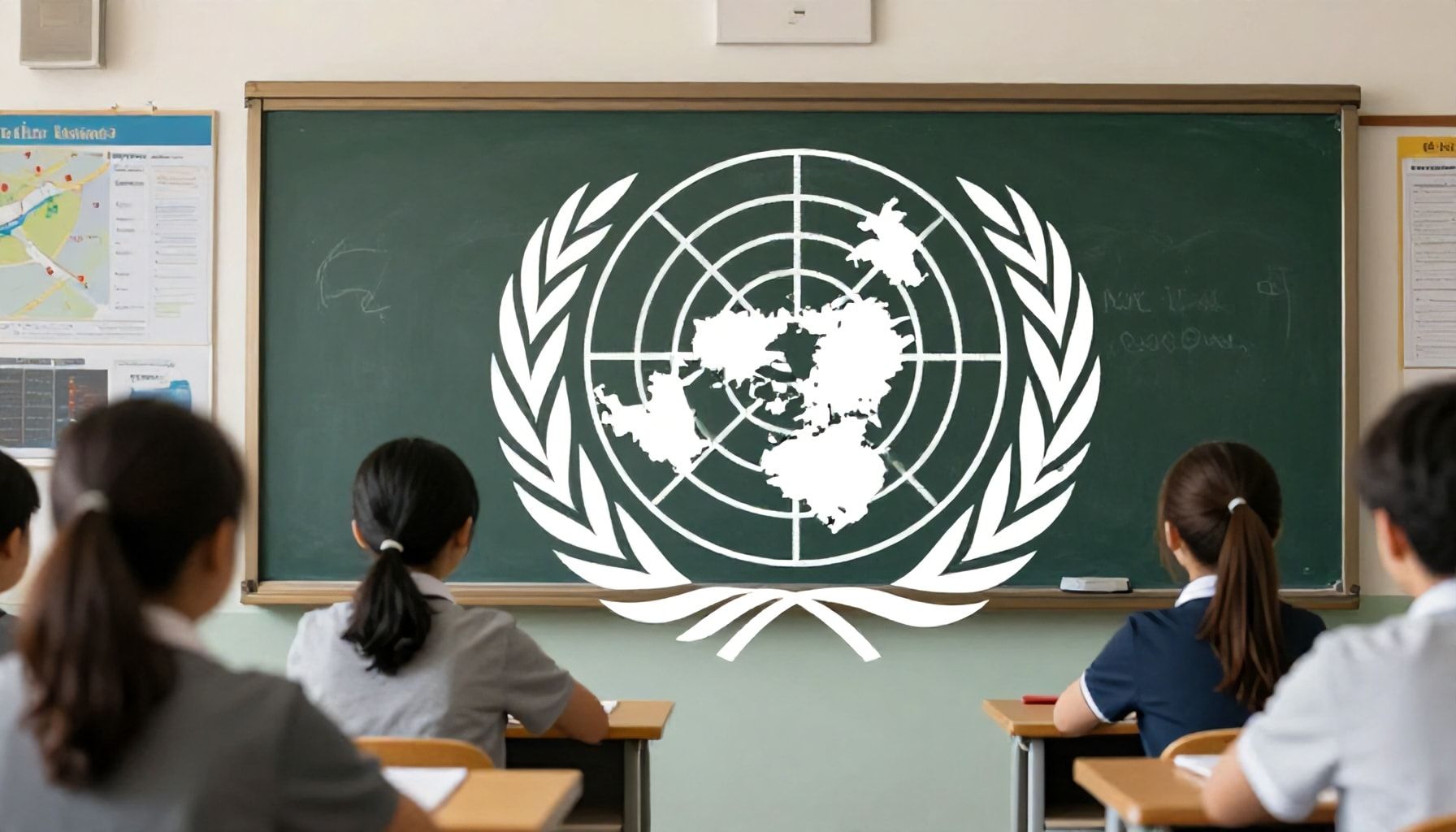
The $100 million fund launched by UNESCO for global education recovery promises to bring transformative benefits to schools worldwide. By providing direct financial support, the fund will enable schools in low-income countries to upgrade infrastructure, purchase essential learning materials, and hire additional teachers. This investment will directly address the learning poverty gap, which has widened due to prolonged school closures. According to a recent UNESCO report, nearly 70% of the world’s 10-year-olds are unable to read a simple text, highlighting the urgent need for intervention.
Beyond infrastructure, the fund will support teacher training programs, ensuring educators are equipped to address learning losses and adapt to new teaching methods. UNESCO’s partnership with educational experts will bring innovative pedagogical approaches to classrooms, fostering more engaging and effective learning environments. Schools will also receive resources to implement digital learning tools, bridging the technology gap that has left many students behind.
Community involvement is another key aspect of the fund’s strategy. By engaging parents and local leaders, schools can create a supportive ecosystem that promotes regular attendance and academic success. This holistic approach will not only improve educational outcomes but also strengthen the social fabric of communities. The fund’s long-term vision aims to create sustainable change, ensuring that schools can continue to thrive even after the initial support ends.
Education ministers and policymakers worldwide have expressed enthusiasm for the initiative. They recognize that the fund’s comprehensive approach addresses both immediate needs and long-term challenges. By investing in education now, countries can prevent a lost generation and build a stronger, more equitable future for all students.
Challenges in distributing the funds

Distributing the $100 million fund effectively presents significant challenges for UNESCO. The organization must navigate complex political landscapes and ensure funds reach the most vulnerable populations. With education systems disrupted in over 190 countries, prioritizing needs and allocating resources fairly is a monumental task.
One major hurdle is the vast disparity in education infrastructure across regions. While some countries have robust systems in place, others lack basic facilities. According to a recent report by the Global Education Monitoring Report, nearly 258 million children and youth were out of school even before the pandemic. This stark reality underscores the need for targeted interventions and tailored solutions.
UNESCO faces the delicate balance of addressing immediate needs while fostering long-term sustainability. Experts emphasize the importance of investing in teacher training and curriculum development. However, the urgency of rebuilding schools and providing essential supplies often takes precedence. This tension requires careful planning and strategic decision-making to ensure lasting impact.
Another critical challenge is ensuring transparency and accountability in fund distribution. UNESCO must establish clear mechanisms to track the flow of funds and measure their impact. This involves collaborating with local governments, NGOs, and community leaders to build trust and ensure effective implementation. Without robust oversight, the risk of misallocation or misuse of funds increases, potentially undermining the fund’s objectives.
The long-term vision for global education

UNESCO’s $100 million fund for global education recovery represents more than just immediate relief. It’s a strategic investment in a long-term vision for education that transcends borders and cultures. The organization aims to build resilient education systems capable of withstanding future shocks, whether they be pandemics, conflicts, or climate change. This vision aligns with UNESCO’s broader mandate to foster sustainable development and peace through education.
Central to this vision is the belief that education is a fundamental human right. UNESCO seeks to ensure that every child, regardless of their background or circumstances, has access to quality education. The fund will support initiatives that address learning poverty, a pressing issue highlighted by the World Bank, which estimates that 53 percent of 10-year-olds in low- and middle-income countries cannot read a simple text. By tackling this challenge head-on, UNESCO hopes to create a more equitable global society.
UNESCO’s long-term strategy also emphasizes the importance of innovation and technology in education. The fund will invest in digital learning platforms and teacher training programs to enhance the quality of education worldwide. An education expert noted that the pandemic has accelerated the need for digital transformation in education, and UNESCO is seizing this opportunity to bridge the digital divide. By doing so, the organization aims to prepare students for the jobs of the future and foster a more inclusive global economy.
Ultimately, UNESCO’s vision for global education recovery is about more than just rebuilding what was lost during the pandemic. It’s about reimagining education for the 21st century. The $100 million fund is a crucial step towards this goal, but it’s just the beginning. UNESCO calls on governments, private sector partners, and civil society to join forces and invest in a future where every child has the opportunity to thrive.
The $100 million fund launched by UNESCO marks a significant step toward addressing the global education crisis exacerbated by the pandemic, with a focus on reaching the most marginalized learners. Governments, private sector partners, and civil society must collaborate to ensure these funds are allocated effectively and reach those who need them most. As the world continues to grapple with the long-term impacts of disrupted education, this initiative sets a crucial precedent for sustained investment in learning recovery and equitable access to quality education for all.