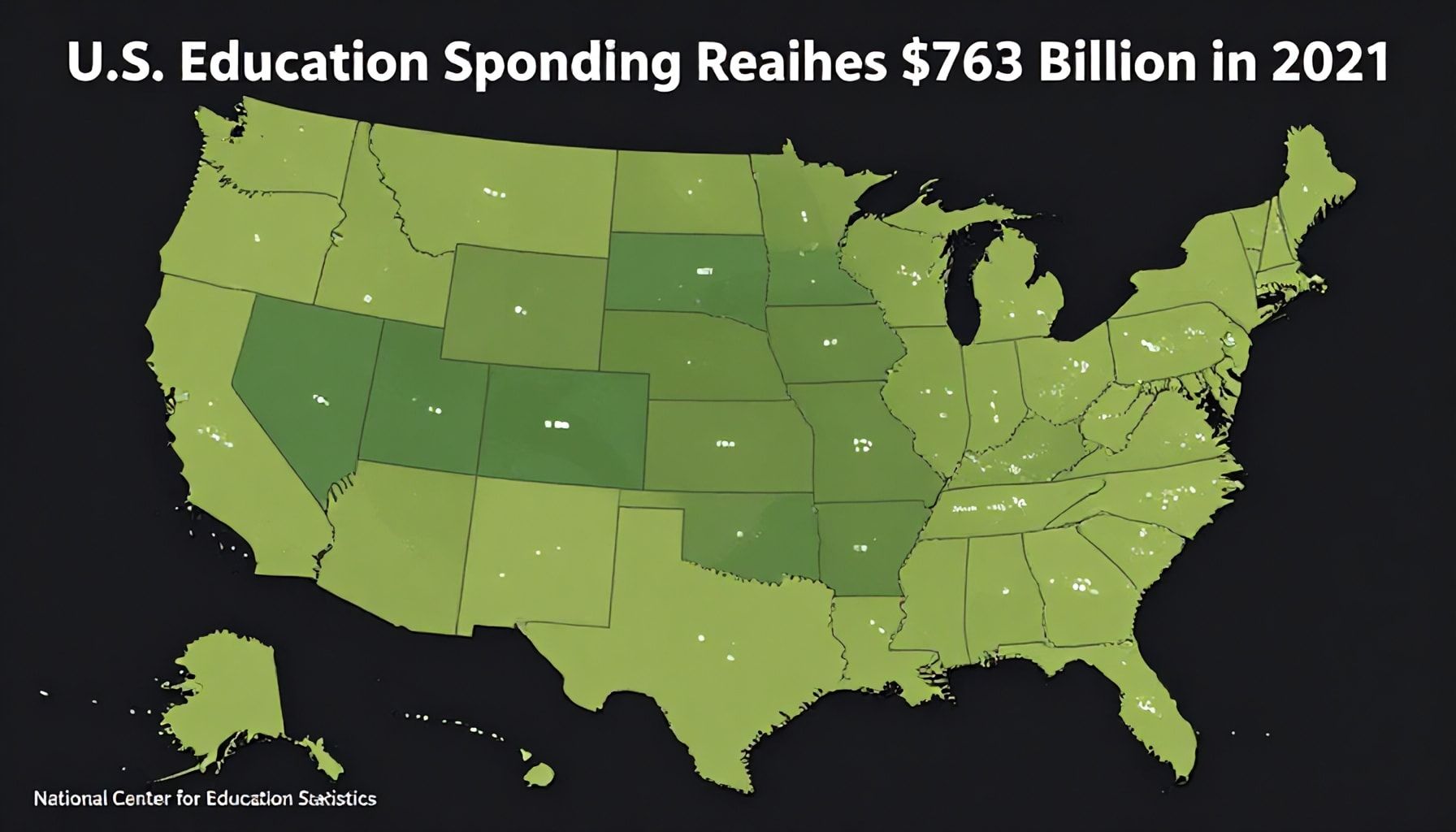
U.S. education spending surged to a staggering $763 billion in 2021, marking a significant increase from previous years. This substantial investment reflects the nation’s commitment to improving educational outcomes and infrastructure, despite ongoing debates about resource allocation and efficiency.
The latest figures, released by the National Center for Education Statistics, underscore the critical role education plays in shaping the country’s future. For taxpayers, parents, and policymakers, these numbers highlight the immense financial stakes involved in educational decision-making. The National Center for Education Statistics, a trusted source for such data, provides invaluable insights into how these funds are distributed and utilized across various levels of education, from early childhood programs to higher education institutions.
Understanding the NCES's role in education data
The National Center for Education Statistics (NCES) serves as the primary federal entity for collecting and analyzing data related to education in the United States. Operating under the U.S. Department of Education and the Institute of Education Sciences, the NCES provides comprehensive statistics on various aspects of education, from early childhood to postsecondary levels. This data is crucial for policymakers, educators, and researchers seeking to understand trends, identify challenges, and measure the impact of educational policies.
One of the NCES’s key responsibilities is the administration of large-scale assessments such as the National Assessment of Educational Progress (NAEP), often referred to as the Nation’s Report Card. These assessments evaluate student performance in core subjects like mathematics, reading, and science, offering a snapshot of educational outcomes across the country. The NCES also compiles data on school demographics, funding, and teacher characteristics, creating a holistic view of the education landscape.
According to a recent report, the NCES collects data from over 19,000 public schools and 3,000 private schools nationwide. This extensive data collection enables the center to produce reliable and comparable statistics that inform decision-making at local, state, and federal levels. Experts emphasize the importance of the NCES’s work in ensuring transparency and accountability in education spending and outcomes.
In addition to its data collection efforts, the NCES plays a vital role in disseminating educational research and statistics to the public. Through its website and publications, the center makes complex data accessible to a wide audience, including policymakers, educators, parents, and students. This accessibility fosters a more informed dialogue about education and helps stakeholders make data-driven decisions to improve educational outcomes.
Breaking down the 2021 education spending figures
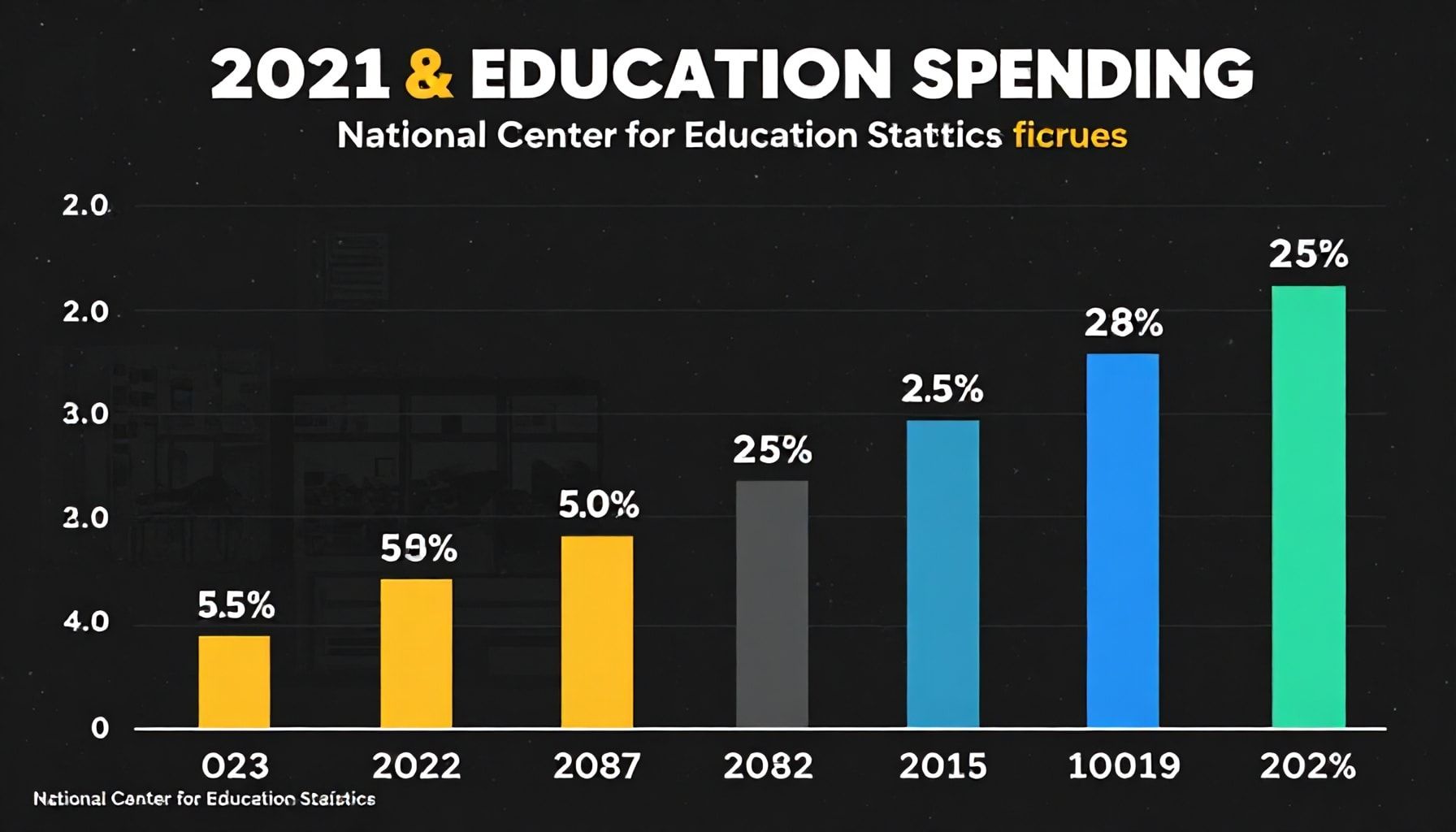
The National Center for Education Statistics (NCES) revealed that total expenditures for public elementary and secondary education reached $763 billion in 2021. This figure represents a significant increase from previous years, reflecting both rising costs and expanded educational initiatives. The data encompasses spending on instruction, support services, and other essential functions within the education system.
Instructional expenditures accounted for the largest share of the total, consuming approximately 54% of the budget. This category includes spending on teacher salaries, instructional materials, and educational technology. Support services, such as transportation, food services, and student health programs, made up about 23% of the total spending. The remaining 23% was allocated to other essential functions, including administration, maintenance, and capital outlays.
Higher education spending also saw a notable rise, with institutions investing heavily in infrastructure, research, and student services. According to NCES data, expenditures in this sector reached $379 billion, marking a 4.5% increase from the previous year. This growth highlights the growing emphasis on expanding access to higher education and enhancing the quality of academic programs.
Experts attribute the overall increase in education spending to a combination of factors, including inflation, increased enrollment, and a greater focus on educational equity. The COVID-19 pandemic also played a role, as schools and universities had to invest in technology and resources to support remote learning. As a result, the 2021 figures reflect a concerted effort to address the challenges posed by the pandemic and ensure that students receive a high-quality education.
How funds are allocated across different education levels
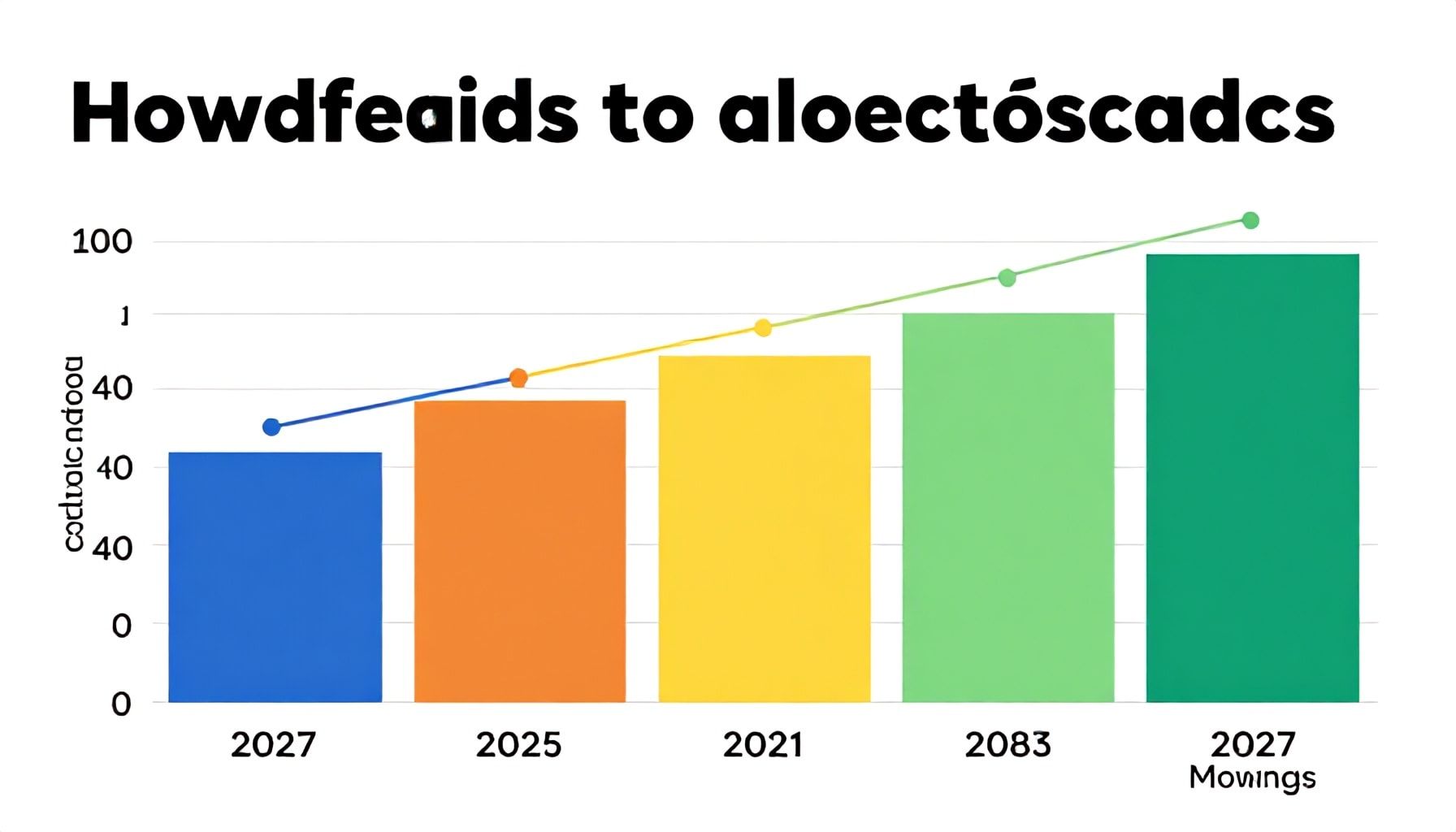
The National Center for Education Statistics reveals that the $763 billion spent on U.S. education in 2021 was distributed unevenly across different education levels. Elementary and secondary education received the lion’s share, accounting for $440 billion or 57.7% of the total expenditure. This substantial investment reflects the priority placed on foundational learning and the significant number of students in these grades.
Higher education, including both public and private institutions, received $323 billion, making up the remaining 42.3% of the total. This allocation underscores the growing emphasis on post-secondary education and workforce development. Within this category, public institutions received a larger portion, highlighting their role in providing accessible education to a broader demographic.
A smaller but critical portion of the funds, approximately $2.5 billion, was allocated to early childhood education. This investment, though modest in comparison, is vital for preparing young learners for future academic success. Experts argue that early childhood education programs yield long-term benefits, making this an area of increasing focus for policymakers.
Special education programs also received a dedicated share of the budget, totaling $18 billion. This funding supports students with disabilities, ensuring they have access to the resources and support needed to thrive academically. The allocation reflects a commitment to inclusivity and equity in education.
Vocational and technical education programs received $12 billion, emphasizing the importance of preparing students for specific career paths. This investment aims to bridge the skills gap and meet the demands of a rapidly evolving job market. The distribution of funds across these various education levels highlights the comprehensive approach taken to address the diverse needs of students at every stage of their educational journey.
The impact of increased spending on students and schools

With U.S. education spending reaching $763 billion in 2021, the impact on students and schools has been substantial. Increased funding has allowed many schools to reduce class sizes, with the National Center for Education Statistics reporting an average student-to-teacher ratio of 16:1 in public schools. This change has enabled more individualized attention for students, particularly in subjects requiring personalized instruction. Additionally, schools have been able to invest in updated learning materials and technology, enhancing the overall learning experience.
Beyond the classroom, increased spending has supported crucial student services. More schools now offer comprehensive mental health programs, addressing the growing need for student well-being support. According to education experts, these initiatives have led to improved academic performance and attendance rates. Furthermore, schools have expanded extracurricular activities, providing students with more opportunities to explore interests and develop skills outside traditional academics.
However, the distribution of funds has not been uniform across all schools. Wealthier districts often receive more funding per student compared to lower-income areas. This disparity can lead to unequal educational opportunities, with students in underfunded schools facing challenges in accessing the same resources as their peers. Addressing this imbalance remains a critical issue for policymakers and educators.
Despite these challenges, the increase in education spending has undeniably brought positive changes. Schools have been able to hire more specialized staff, such as counselors and special education teachers, to better support diverse student needs. These investments highlight a commitment to improving educational outcomes and ensuring that all students have the tools they need to succeed.
Future trends in U.S. education funding and priorities
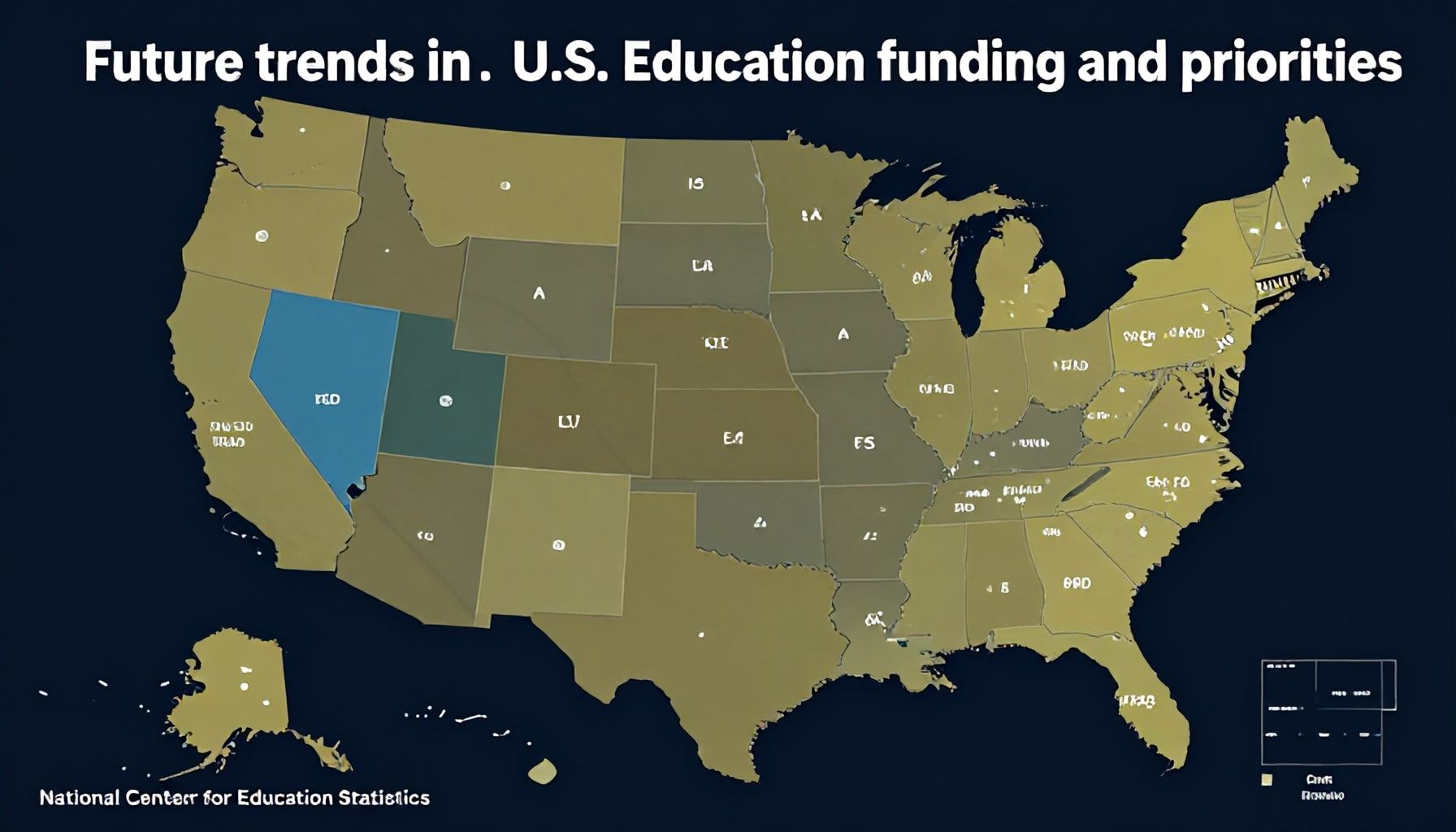
The National Center for Education Statistics (NCES) projects several key trends that will shape U.S. education funding and priorities in the coming years. One significant shift involves increased investment in early childhood education. States are expected to allocate more resources to preschool programs, aiming to bridge achievement gaps before children enter kindergarten. This focus aligns with research showing that early interventions yield long-term academic and social benefits.
Higher education faces a crossroads. While tuition costs continue rising, public funding may not keep pace. Experts anticipate a greater emphasis on vocational training and community colleges as alternatives to traditional four-year degrees. This pivot reflects the growing demand for skilled workers in sectors like technology and healthcare. Additionally, policymakers are exploring innovative funding models, such as income-share agreements, to make higher education more accessible.
Special education funding remains a critical area of concern. The NCES reports that expenditures in this category have grown steadily, accounting for 13% of total education spending in 2021. Advocates push for more personalized learning plans and better teacher training to support students with disabilities. However, budget constraints and varying state policies create challenges in delivering consistent, high-quality services nationwide.
Technology integration stands out as another priority. The pandemic accelerated the adoption of digital tools, and schools are now investing in infrastructure to support hybrid learning models. Cybersecurity and digital literacy programs are also gaining traction as essential components of modern education. These investments aim to prepare students for an increasingly tech-driven job market while addressing equity issues in access to digital resources.
The National Center for Education Statistics’ report underscores a significant milestone in U.S. education funding, with spending reaching $763 billion in 2021, reflecting a substantial investment in the nation’s educational infrastructure. This surge in funding highlights the growing emphasis on improving educational outcomes and accessibility across all levels of schooling. To maximize the impact of these funds, policymakers and educators should prioritize evidence-based initiatives that directly address student needs and educational disparities. Looking ahead, sustained investment and strategic allocation of resources will be crucial in shaping a more equitable and effective education system for future generations.