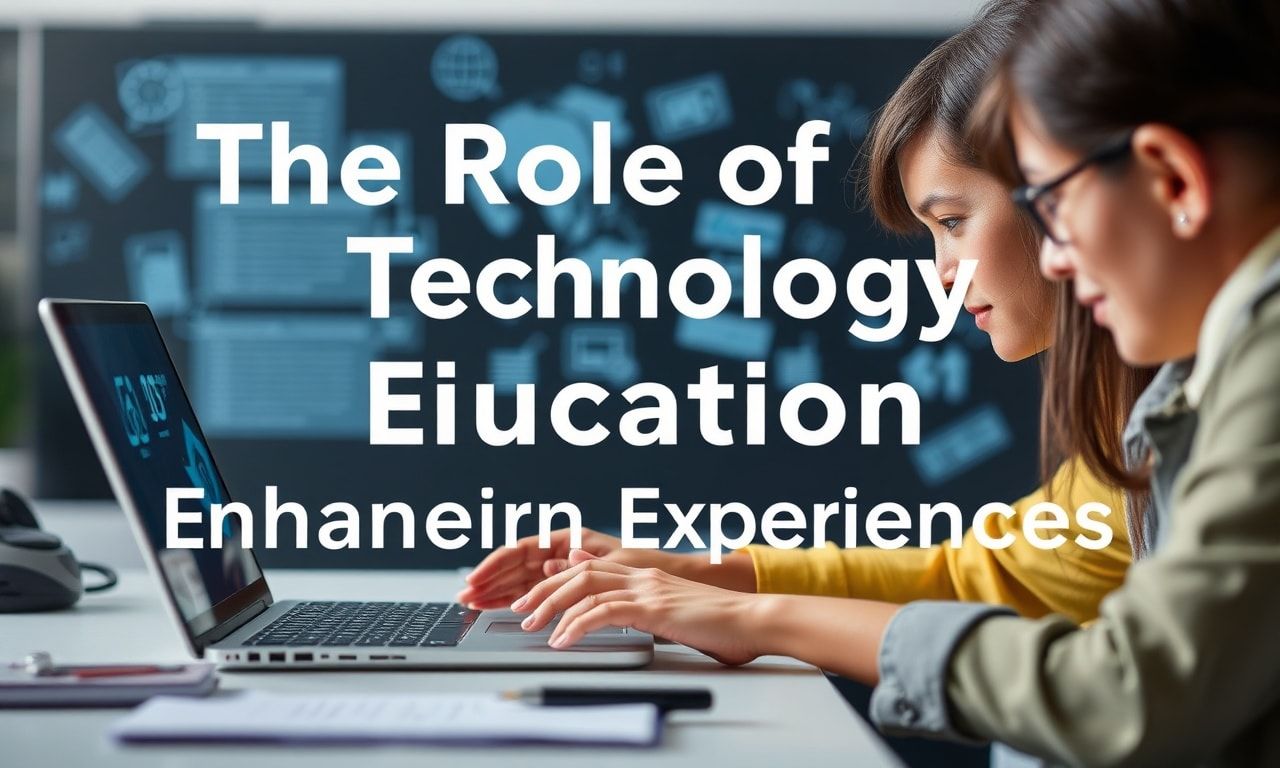
The Digital Transformation of Education
The landscape of education is undergoing a significant transformation, driven by rapid advancements in technology. From virtual classrooms to interactive learning platforms, technology is reshaping how students learn and educators teach. This shift is not just about integrating new tools but about creating a more dynamic, accessible, and personalized learning environment. The integration of technology in education is enhancing engagement, improving outcomes, and preparing students for a digital future.
Enhancing Engagement Through Interactive Learning
One of the most notable benefits of technology in education is the increased level of student engagement. Interactive learning platforms, educational apps, and virtual reality (VR) experiences make learning more immersive and enjoyable. For instance, VR can transport students to historical sites or scientific environments, providing a hands-on learning experience that textbooks alone cannot offer. These tools not only capture students’ attention but also cater to different learning styles, ensuring that all students can benefit from the material.
Moreover, the use of gamification in education has shown promising results. By incorporating game elements such as points, badges, and leaderboards into learning activities, educators can motivate students to participate actively and achieve their learning goals. This approach not only makes learning more fun but also encourages healthy competition and collaboration among students.
The Impact of Technology on Accessibility
Technology has also played a crucial role in making education more accessible to a broader audience. Online learning platforms and massive open online courses (MOOCs) have broken down geographical barriers, allowing students from all over the world to access high-quality education. This democratization of education is particularly beneficial for individuals in remote areas or those who cannot attend traditional brick-and-mortar institutions.
Additionally, assistive technologies have made education more inclusive for students with disabilities. Tools such as text-to-speech software, digital braille readers, and speech recognition systems enable students with visual, auditory, or physical impairments to participate fully in the learning process. These technologies not only level the playing field but also empower students to reach their full potential.
Optimizing Educational Software for Better Performance
As educational institutions increasingly rely on software to deliver and manage learning experiences, the need to optimize these tools becomes paramount. Efficient software can streamline administrative tasks, enhance communication between educators and students, and provide valuable data insights to improve teaching strategies. Learning how to optimize software performance is crucial for educational institutions to ensure that their technology investments yield the best possible results.
For example, educational software that is optimized for performance can handle large volumes of data efficiently, ensuring that student records, grades, and other critical information are processed quickly and accurately. This optimization can also enhance the user experience, making it easier for educators and students to navigate the software and access the resources they need. By investing in software optimization, educational institutions can create a more seamless and effective learning environment.
The Role of Data Analytics in Personalized Learning
Data analytics is another area where technology is making a significant impact on education. By analyzing student performance data, educators can identify patterns and trends that inform their teaching strategies. This data-driven approach allows for the creation of personalized learning plans that cater to the unique needs and abilities of each student.
For instance, data analytics can help educators identify students who are struggling with specific concepts and provide targeted interventions to address these challenges. Conversely, it can also identify high-achieving students who may benefit from advanced or enriched learning opportunities. By leveraging data analytics, educators can ensure that all students receive the support and resources they need to succeed.
Preparing Students for a Digital Future
In addition to enhancing the learning experience, technology in education is also preparing students for the digital future. As the workforce becomes increasingly reliant on technology, it is essential that students develop the digital literacy skills needed to thrive in this environment. By integrating technology into the curriculum, educators can equip students with the skills they need to succeed in the 21st-century workplace.
For example, coding and programming skills are becoming increasingly valuable in a wide range of industries. By introducing these skills at an early age, educators can help students develop a strong foundation in computer science and prepare them for careers in technology. Additionally, the use of digital tools and platforms in the classroom can help students develop critical thinking, problem-solving, and collaboration skills that are essential for success in any field.
The Challenges and Considerations
While the benefits of technology in education are numerous, there are also challenges and considerations that educators and policymakers must address. One of the primary concerns is the digital divide, which refers to the gap between individuals who have access to technology and those who do not. To ensure that all students can benefit from technological advancements, it is essential to address this divide and provide equal access to digital resources.
Another consideration is the need for ongoing professional development for educators. As technology continues to evolve, educators must stay up-to-date with the latest tools and best practices to effectively integrate technology into their teaching strategies. Providing ongoing training and support can help educators leverage technology to its fullest potential and create a more engaging and effective learning environment.
Finally, it is important to consider the ethical implications of using technology in education. Issues such as data privacy, cybersecurity, and the responsible use of technology must be addressed to ensure that students’ information is protected and that technology is used in a way that aligns with educational goals and values.
Delve into the fascinating world of learning through entertainment with our latest feature, movies influence on young minds, and discover how storytelling can enhance cognitive development.
To understand how modern learning environments are evolving, consider exploring technology’s role in education and its impact on future-ready skills.
To understand the latest advancements in engineering and design, consider exploring Honda’s innovative bike technologies, which blend cutting-edge tech with outdoor exploration.