The Intersection of Personal Growth and Education
In the realm of education, the focus often centers on academic achievements, coursework, and exam results. However, an equally important aspect that is sometimes overlooked is personal development. The journey of learning is not just about accumulating knowledge but also about cultivating personal skills that can enhance academic performance and prepare students for future challenges. This article explores the significance of personal development in the educational journey and how it can be integrated into the learning process.
Understanding Personal Development
Personal development encompasses a wide range of activities and practices that individuals undertake to improve their skills, knowledge, and overall well-being. This can include reading personal development books recommended by educators, engaging in self-reflection, setting personal goals, and seeking feedback from mentors and peers. The aim is to foster a growth mindset, which is crucial for academic success. By continuously seeking to improve oneself, students can develop resilience, adaptability, and a positive attitude towards learning.
Key Components of Personal Development
Personal development can be broken down into several key components:
- Self-Awareness: Understanding one’s strengths, weaknesses, and areas for improvement.
- Goal Setting: Establishing clear, achievable goals that align with academic and personal aspirations.
- Time Management: Learning to manage time effectively to balance academic responsibilities and personal growth activities.
- Communication Skills: Developing the ability to express ideas clearly and confidently.
- Emotional Intelligence: Understanding and managing one’s emotions, as well as empathizing with others.
The Impact of Personal Development on Academic Performance
Personal development plays a pivotal role in enhancing academic performance. Students who engage in personal development activities are more likely to develop a growth mindset, which allows them to view challenges as opportunities for growth rather than obstacles. This mindset shift can lead to improved motivation, increased effort, and better academic outcomes. Additionally, personal development activities can help students build resilience, enabling them to bounce back from setbacks and persist in the face of difficulties.
Enhancing Motivation and Engagement
One of the key benefits of personal development is its impact on motivation and engagement. When students set personal goals and work towards achieving them, they become more motivated and engaged in their studies. This increased motivation can lead to higher levels of effort and persistence, which are crucial for academic success. Moreover, personal development activities can help students discover their passions and interests, making the learning process more enjoyable and meaningful.
Building Resilience and Adaptability
Resilience and adaptability are essential skills for academic success. Personal development activities, such as reading personal development books recommended by educators, can help students develop these skills. By learning to manage stress, cope with challenges, and adapt to change, students can navigate the demands of academic life more effectively. These skills are not only beneficial for academic success but also for personal growth and future career prospects.
Integrating Personal Development into the Learning Process
To fully harness the benefits of personal development, it is important to integrate it into the learning process. Educators and institutions can play a crucial role in this integration by providing resources, support, and opportunities for personal growth. This can include offering workshops on goal setting, time management, and communication skills, as well as incorporating personal development activities into the curriculum.
Creating a Supportive Learning Environment
A supportive learning environment is essential for fostering personal development. Educators can create this environment by encouraging open communication, providing constructive feedback, and offering mentorship and guidance. By creating a safe and supportive space, students are more likely to engage in personal development activities and seek help when needed.
Encouraging Self-Reflection and Goal Setting
Self-reflection and goal setting are powerful tools for personal development. Educators can encourage students to engage in regular self-reflection by providing prompts and activities that help them reflect on their strengths, weaknesses, and areas for improvement. Additionally, educators can help students set clear, achievable goals that align with their academic and personal aspirations. By setting and working towards these goals, students can develop a sense of purpose and direction, which can enhance their academic performance and overall well-being.
Conclusion
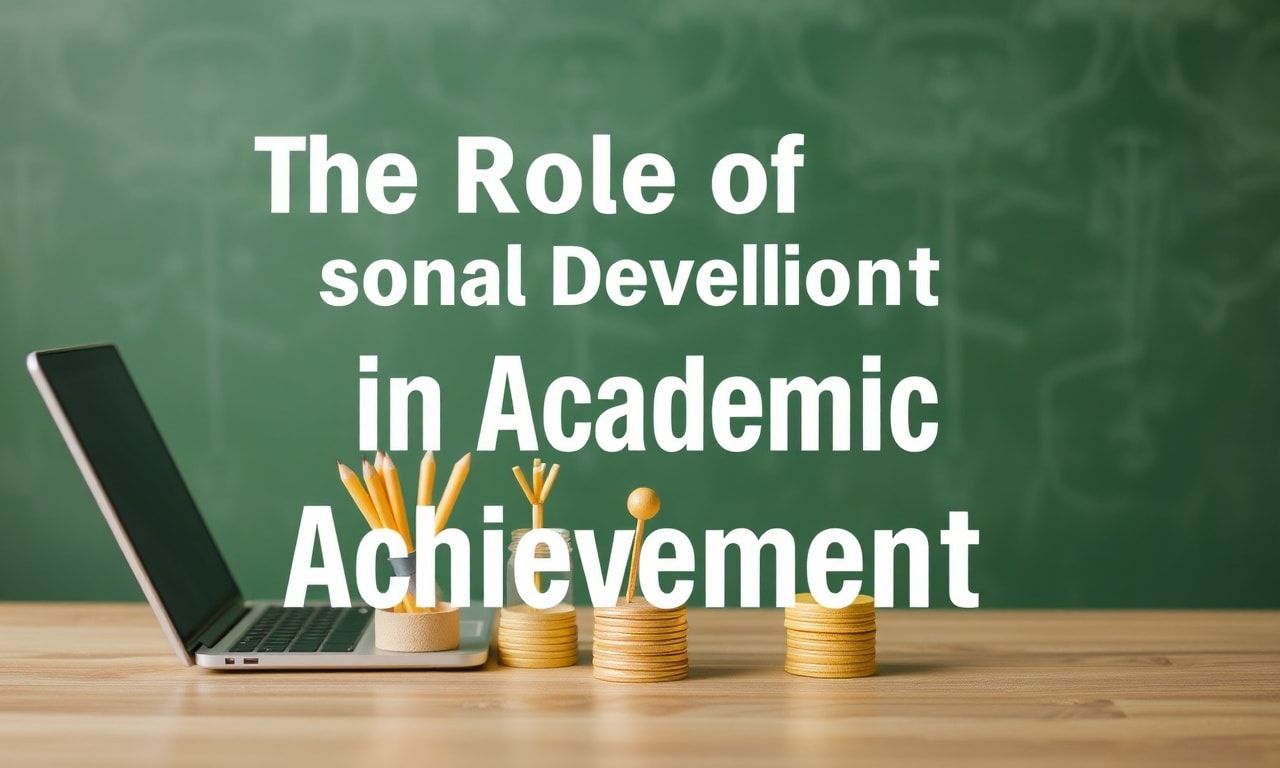
The role of personal development in academic success cannot be overstated. By integrating personal development activities into the learning process, students can develop the skills, knowledge, and mindset needed to excel academically and personally. Educators and institutions play a crucial role in this integration by providing resources, support, and opportunities for personal growth. By fostering a supportive learning environment and encouraging self-reflection and goal setting, educators can help students unlock their full potential and achieve their academic and personal goals.