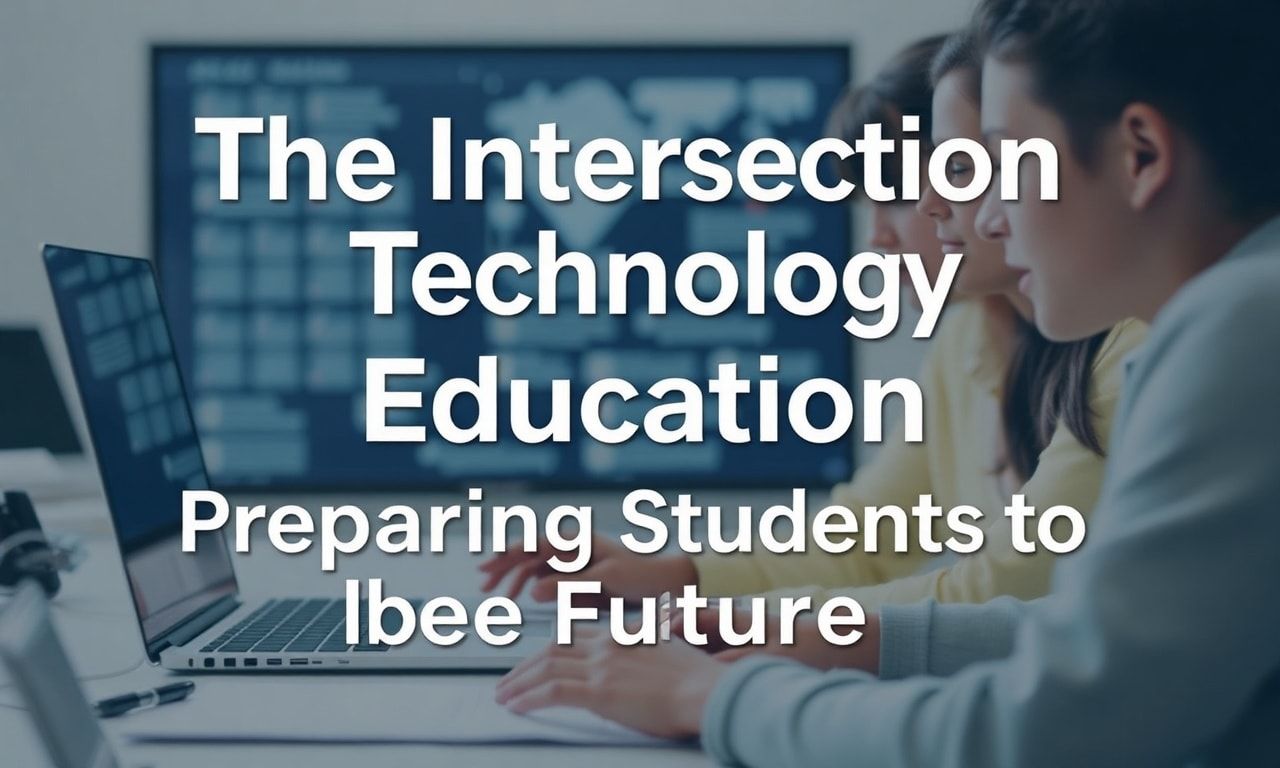
The Evolving Landscape of Education
The landscape of education is undergoing a significant transformation, driven by rapid advancements in technology. As we move towards an increasingly digital world, educational institutions are tasked with preparing students for a future that is both exciting and uncertain. This article explores the various ways technology is reshaping education and the skills students need to thrive in this new era.
Integrating Technology into the Classroom
One of the most notable changes in education is the integration of technology into the classroom. From interactive whiteboards to virtual reality experiences, technology is making learning more engaging and accessible. Educational apps and online platforms are providing students with resources that cater to different learning styles, ensuring that no student is left behind. Moreover, the rise of online learning has made education more flexible, allowing students to learn at their own pace and on their own schedule.
However, the integration of technology is not without its challenges. Teachers need to be adequately trained to use these tools effectively, and schools must invest in the necessary infrastructure. Additionally, there is a growing concern about the digital divide, where students from disadvantaged backgrounds may not have access to the same technological resources as their peers. Addressing these issues is crucial to ensuring that all students benefit from technological advancements in education.
The Role of Coding and Digital Literacy
As technology becomes more prevalent, digital literacy and coding skills are becoming essential. Coding is no longer just a skill for computer scientists; it is a valuable tool for problem-solving and logical thinking that can be applied across various disciplines. Many schools are now introducing coding courses at an early age to prepare students for a future where technology will play a central role.
Beyond coding, digital literacy encompasses a range of skills, including the ability to navigate online platforms, evaluate the credibility of information, and understand the implications of data privacy. These skills are crucial in an era where misinformation is rampant, and data is a valuable commodity. By equipping students with these skills, educators can help them become responsible digital citizens.
Emerging Technologies and Future Skills
The rapid pace of technological innovation means that the skills students need today may not be sufficient for the jobs of tomorrow. Emerging technologies such as artificial intelligence (AI), blockchain, and the Internet of Things (IoT) are reshaping industries and creating new career opportunities. For instance, understanding the basics of blockchain technology can provide insights into secure transactions and decentralized systems. For a deeper dive into the future of blockchain and cryptocurrencies, you might want to explore the Ethereum Preisvorhersage 2026 and other related resources.
To prepare students for these changes, educational institutions must focus on fostering adaptability, creativity, and critical thinking. These skills will enable students to navigate the complexities of a rapidly changing job market and adapt to new technologies as they emerge. Additionally, interdisciplinary learning can help students see the connections between different fields and develop a holistic understanding of the world.
The Importance of Lifelong Learning
In a world where technology is constantly evolving, lifelong learning has become more important than ever. The concept of lifelong learning emphasizes the need for continuous education and skill development throughout one’s life. This approach is particularly relevant in the context of technological advancements, where new skills and knowledge are constantly required.
Educational institutions can support lifelong learning by offering flexible and accessible learning opportunities. Online courses, micro-credentials, and professional development programs can provide individuals with the tools they need to stay current in their fields. Additionally, fostering a culture of curiosity and exploration can encourage students to seek out new knowledge and skills independently.
Challenges and Opportunities
While the integration of technology into education presents numerous opportunities, it also comes with its own set of challenges. One of the primary challenges is ensuring that all students have equal access to technological resources. This requires addressing issues such as the digital divide and providing support for students who may not have access to the necessary tools at home.
Another challenge is the need for ongoing professional development for educators. Teachers must stay up-to-date with the latest technological advancements and be able to integrate these tools effectively into their teaching practices. This requires investment in teacher training programs and ongoing support from educational institutions.
Despite these challenges, the opportunities presented by technology in education are vast. By embracing these opportunities and addressing the associated challenges, educational institutions can prepare students for a future that is both exciting and uncertain. The key is to foster a culture of innovation, adaptability, and lifelong learning that will enable students to thrive in an ever-changing world.
To enhance your personal safety knowledge, consider exploring essential security measures at home and in relationships, a crucial skill for everyday life.
To understand the evolving landscape of design and innovation, consider exploring how fashion meets technology, a fascinating study for creative professionals.
To stay ahead in today’s competitive landscape, consider exploring integrating technology in education and how it can help develop future-ready skills.