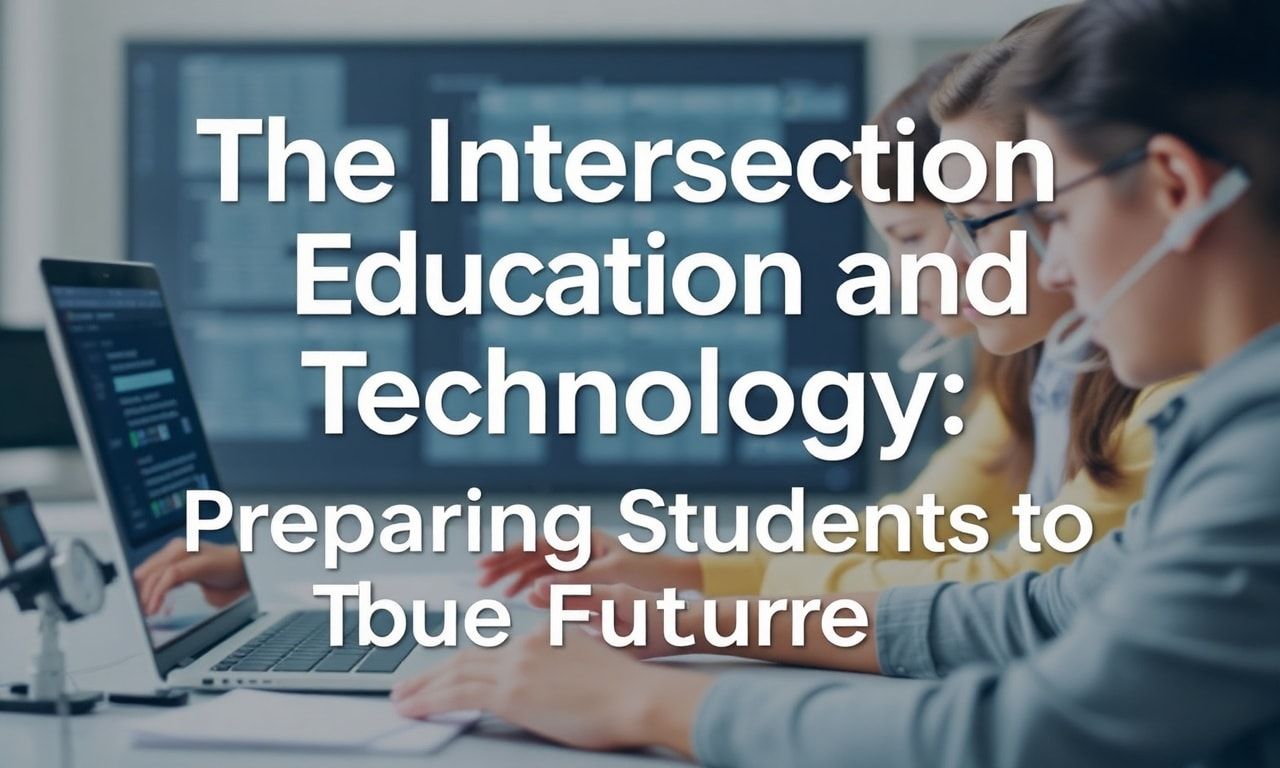
The Evolution of Education in the Digital Age
The landscape of education is undergoing a profound transformation, driven by rapid advancements in technology. From virtual classrooms to AI-powered learning tools, the integration of technology in education is reshaping how students learn and teachers instruct. This shift is not merely about adopting new tools but about reimagining the entire educational experience to better prepare students for a future that is increasingly digital.
The Role of Technology in Enhancing Learning
Technology has the potential to make education more accessible, engaging, and personalized. Digital platforms enable students to learn at their own pace, access a wealth of resources, and collaborate with peers and educators from around the world. For instance, online courses and Massive Open Online Courses (MOOCs) have democratized education, allowing anyone with an internet connection to learn from top universities and institutions. Additionally, educational apps and software provide interactive and immersive learning experiences that cater to different learning styles.
One of the most exciting developments in educational technology is the use of artificial intelligence (AI). AI can analyze student performance data to identify areas where students struggle and provide personalized recommendations for improvement. AI tutors and chatbots can offer instant feedback and support, making learning more efficient and effective. Moreover, AI can automate administrative tasks, freeing up teachers to focus more on instruction and student interaction.
The Impact of Technology on Teaching Methods
The integration of technology has also transformed teaching methods. Traditional lecture-based instruction is giving way to more interactive and student-centered approaches. Teachers are increasingly using technology to create dynamic and engaging lessons that incorporate multimedia elements such as videos, simulations, and virtual reality (VR). These tools not only make learning more enjoyable but also help students better understand complex concepts.
For example, VR can transport students to historical sites, allowing them to experience events firsthand. This immersive learning experience can deepen understanding and retention of historical events. Similarly, simulations can provide students with hands-on practice in fields like medicine, engineering, and science, preparing them for real-world challenges. By leveraging these technologies, educators can create a more engaging and effective learning environment.
Preparing Students for the Future Workforce
As technology continues to evolve, the skills required in the workforce are also changing. The demand for digital literacy, coding, and data analysis skills is growing rapidly. Educational institutions must adapt their curricula to ensure that students are equipped with the skills needed to succeed in the future workforce. This includes not only technical skills but also soft skills such as critical thinking, problem-solving, and collaboration.
Incorporating technology into the curriculum can help students develop these skills. For instance, coding classes can teach students how to create and manipulate digital content, while data analysis courses can help them understand how to interpret and use data effectively. Additionally, project-based learning and collaborative projects can foster teamwork and communication skills, which are essential in any workplace.
Furthermore, staying updated with the latest developments in technology is crucial. For instance, keeping an eye on China’s science and technology news can provide valuable insights into emerging trends and innovations that may shape the future of education and the workforce. By staying informed, educators can better prepare their students for the challenges and opportunities ahead.
The Importance of Digital Literacy
Digital literacy is a critical skill in today’s world. It encompasses the ability to use digital tools effectively, critically evaluate online information, and understand the implications of technology on society. Educators must prioritize digital literacy in their teaching to ensure that students can navigate the digital landscape safely and responsibly.
Teaching digital literacy involves more than just showing students how to use technology. It also includes educating them about online safety, privacy, and ethical considerations. Students should learn how to identify reliable sources of information, recognize misinformation and fake news, and understand the impact of their digital footprint. By developing these skills, students can become responsible digital citizens who can contribute positively to the online community.
Challenges and Considerations
While the integration of technology in education offers numerous benefits, it also presents challenges. One of the main concerns is the digital divide, which refers to the gap between those who have access to technology and those who do not. Ensuring that all students have equal access to digital resources is crucial for achieving educational equity.
Another challenge is the need for ongoing professional development for teachers. Educators must be equipped with the skills and knowledge to effectively integrate technology into their teaching. This requires continuous training and support, as well as access to resources and tools that can help them stay updated with the latest technological advancements.
Additionally, there are concerns about the potential for technology to distract students or replace human interaction. It is essential to strike a balance between using technology as a tool to enhance learning and maintaining the human element of education. Teachers play a vital role in creating a supportive and engaging learning environment that fosters both academic and social development.
Conclusion
The intersection of education and technology presents exciting opportunities to transform learning and prepare students for the future. By leveraging digital tools and innovative teaching methods, educators can create a more engaging, personalized, and effective learning experience. However, it is essential to address the challenges and ensure that all students have equal access to technology and the skills needed to succeed in a digital world. By embracing technology and staying informed about emerging trends, educators can help shape a future where education is more accessible, inclusive, and impactful.