California Indian Nations College Nears Independence Amid Financial Struggles
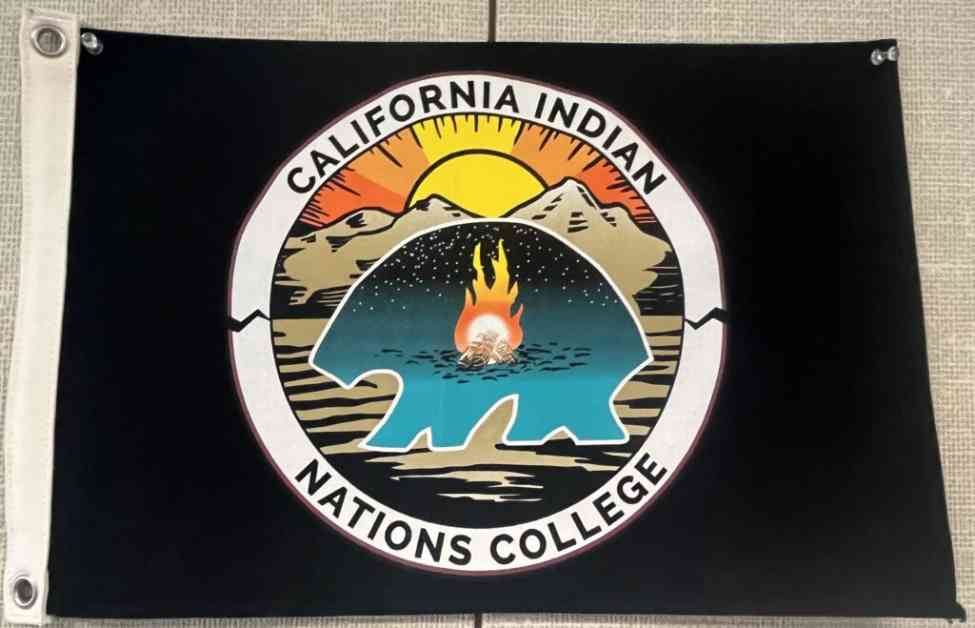
California Indian Nations College (CINC), a two-year online institution based in the Coachella Valley, is on the brink of becoming California’s sole standalone tribal college. This transition would benefit Native American students significantly, a group that traditionally has lower college enrollment and completion rates compared to other demographics. However, financial challenges pose a significant hurdle for the college to achieve independence and expand its offerings.
From Affiliation to Autonomy: The Journey of CINC
Established in 2018 as an extension of UC Riverside, CINC has been operating under a partnership with College of the Desert since 2019. Despite its affiliation, plans are in place for CINC to obtain full accreditation, enabling it to offer exclusive classes, transferable credits, and financial aid to its students. Currently, students dual-enroll at both CINC and College of the Desert, but the forthcoming semester will see students enrolling solely at CINC while still earning accredited degrees.
The temporary campus of CINC, situated within the Palm Springs compound of College of the Desert, is a modest setup consisting of trailers. Inside these makeshift classrooms, visitors are greeted with a blend of Native crafts, informational materials on higher education transfers, and even a basic needs center stocked with dry food. The ambiance exudes a sense of cultural immersion and community support, essential elements for fostering a conducive learning environment.
Embracing approximately 150 students with aspirations for growth, CINC faces financial uncertainty even as it paves its way towards full accreditation. A request of $60 million from the state’s budget is on the table, with $50 million earmarked for campus construction and an additional $10 million annually for operational expenses. The significance of this financial backing lies in the college’s mission to provide culturally relevant education to Native American students, many of whom carry a historical skepticism towards the mainstream U.S. education system.
Empowering Indigenous Voices: The Role of Tribal Colleges
California, with the largest Native population in the country, stands to benefit greatly from the establishment of a fully accredited tribal college like CINC. Despite California’s Native population concentration in Riverside County’s desert regions, Native individuals have the lowest college enrollment rates among all ethnic groups. The establishment of tribal colleges has proven to be a game-changer for Native students, with a fourfold increase in bachelor’s degree completion rates observed among those who attend such institutions.
The impending full accreditation of CINC has drawn accolades from the accrediting commission, commending the college for its culturally sensitive and academically rigorous curriculum. Special emphasis is placed on the incorporation of Native American culture into academic offerings, creating an inclusive environment where Indigenous and non-Native students can thrive harmoniously. Despite minor areas for improvement, such as board self-evaluation, the college’s commitment to empowering Indigenous voices remains unwavering.
In a landscape where state funding remains uncertain, the future of CINC hangs in the balance. With a one-time allocation of $5 million for accreditation purposes and future prospects for federal funding under scrutiny, the financial sustainability of the college is a pressing concern. As the college navigates the complex funding terrain, the need for community support, tribal backing, and legislative advocacy becomes more critical than ever.
As the journey unfolds for CINC, the vision of a self-sustaining tribal college is within reach. The prospect of a dedicated campus, expanded academic offerings, and enhanced student support services looms on the horizon, promising a transformative educational experience for Native and non-Native students alike. In the heart of California’s desert regions, a beacon of hope shines bright, illuminating the path towards a more inclusive and culturally vibrant educational landscape.