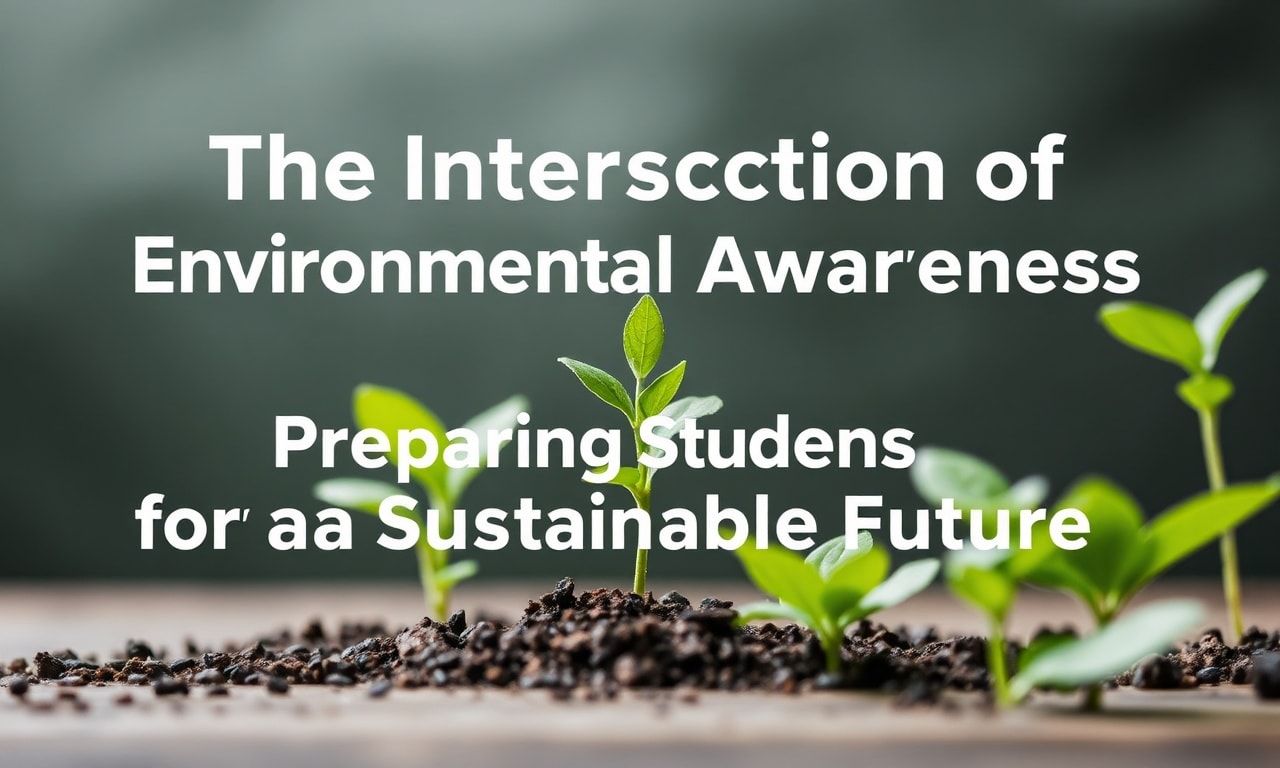
The Importance of Environmental Education in Modern Curricula
In an era where climate change and environmental sustainability are at the forefront of global conversations, integrating environmental education into school curricula has become more crucial than ever. Educators worldwide are recognizing the need to equip students with the knowledge and skills necessary to address environmental challenges. This shift not only enhances students’ understanding of scientific principles but also fosters a sense of responsibility towards the planet.
Why Environmental Education Matters
Environmental education goes beyond teaching students about the natural world; it encourages critical thinking, problem-solving, and civic engagement. By incorporating topics such as climate change, biodiversity, and sustainable practices into the curriculum, schools can help students develop a holistic understanding of environmental issues. This approach not only prepares students for future careers in environmental science but also instills a lifelong commitment to sustainability.
Moreover, environmental education aligns with the broader goals of education, such as promoting interdisciplinary learning and fostering global citizenship. Students who engage with environmental topics are more likely to understand the interconnectedness of global systems and the impact of human activities on the planet. This understanding is essential for creating a generation of informed and responsible citizens.
Integrating Environmental Topics into Existing Curricula
One of the most effective ways to incorporate environmental education is by integrating it into existing subjects. For example, science classes can include units on climate change and renewable energy, while social studies can explore the historical and cultural aspects of environmental movements. Language arts classes can analyze literature that addresses environmental themes, and mathematics can be used to solve real-world environmental problems.
In addition to subject-specific integration, schools can also offer specialized courses or electives focused on environmental topics. These courses can cover a wide range of subjects, from environmental policy and law to sustainable agriculture and green technology. By providing students with a variety of options, schools can cater to different interests and learning styles, ensuring that all students have the opportunity to engage with environmental education.
The Role of Extracurricular Activities and Community Engagement
Extracurricular activities and community engagement play a vital role in reinforcing the principles of environmental education. Schools can organize field trips to local parks, nature reserves, or environmental research centers, providing students with hands-on learning experiences. Community service projects, such as tree planting or beach cleanups, can also help students apply their knowledge in practical settings and develop a sense of community responsibility.
Furthermore, schools can partner with local environmental organizations to offer internships, workshops, and guest lectures. These partnerships not only enhance the learning experience but also provide students with valuable networking opportunities. By connecting students with real-world environmental professionals, schools can inspire and motivate them to pursue careers in environmental science and sustainability.
Preparing Students for a Sustainable Future
As the world continues to grapple with environmental challenges, the role of education in preparing students for a sustainable future cannot be overstated. By integrating environmental topics into the curriculum and encouraging students to engage with their communities, schools can help students develop the skills and knowledge necessary to address these challenges. This approach not only benefits the environment but also empowers students to become active and responsible citizens.
For the latest updates on environmental news and climate change, be sure to visit environmental news climate update. Staying informed about current environmental issues is essential for both educators and students, as it provides valuable insights and resources for integrating environmental education into the classroom.
In conclusion, the integration of environmental education into school curricula is a critical step towards preparing students for a sustainable future. By fostering a sense of responsibility and providing students with the tools to address environmental challenges, schools can play a pivotal role in creating a more sustainable and equitable world.
To deepen your understanding of celestial events and their significance, explore our detailed analysis on the solar eclipse phenomenon and its global impact.
To understand the educational power of storytelling, delve into how films expand learning and engage young minds.
To understand how technology impacts daily learning and skill development, consider exploring technology’s role in everyday life and its educational implications.