
Understanding Ricordi e Necrologi a Roma for Educators
A clear explainer for educators about Ricordi e Necrologi a Roma: what they are, why they matter in education, and how to use them in coursework and research.

Educators seek reliable, accessible resources to teach about memory, history, and cultural practice. This explainer clarifies what ricordi e necrologi a Roma are, how they’re used in academic work, and why they matter for students studying Italian culture and urban history. You’ll learn what to look for, where to find trustworthy records, and how to integrate them into coursework or research projects.
Memorial records in Rome connect personal stories to broader social history, offering primary sources for classroom analysis. Understanding their scope, limitations, and conservation needs helps students evaluate sources critically and design better assignments.
In practice, educators can use these materials to illustrate archival methods, to discuss memory in public spaces, and to connect local history to wider European narratives. The guide emphasizes concrete steps, example approaches, and common pitfalls to avoid when incorporating these resources into teaching.
- Ricordi e necrologi a Roma are community memorial records that illuminate local history and memory practices. They require careful interpretation and cross-referencing with other sources.
- Educators should start with reputable archives, verify access methods, and plan classroom activities that build critical thinking around preservation, bias, and context.
- Digital catalogs aid discovery but demand attention to provenance, licensing, and potential gaps. Always align activities with curriculum goals and ethical guidelines.
- A practical teaching frame combines starter resources, concrete assignments, and clear assessment criteria to turn archival material into meaningful learning outcomes.
Basics and definitions
What are the records
Ricordi and necrologi are types of memorial and obituary records linked to Rome’s communities, often kept by parishes, archives, or local associations. They serve as cultural artefacts that reveal how communities remember individuals and events. For educators, they provide tangible examples of how memory is organized and passed down through time.
These records vary in form, length, and accessibility, but share a common goal: to preserve biographical snippets within a wider social history. Users should note their origin, scope, and any gaps that might affect interpretation.
Interpreting these sources requires cross-checking with other archives, understanding the local context, and acknowledging editorial or religious influences on what was kept and for whom.
- Identify the community or institution that holds the records
- Check the time period covered by the collection
- Note any language or script peculiarities
- Look for index or finding aid to ease search
- Assess how the records were created and for whom
How to access them
Access may involve visiting archives, requesting digital copies, or consulting published compilations. Start with a finding aid to locate relevant entries, then request permission for full records when needed. For teaching, plan a visit or a scan day to build a practical activity around the material.
Digital catalogs and public portals often list basic metadata before full records, so use those as a plan for what to request. If you encounter access restrictions, document them and propose alternatives such as surrogate records or classroom-ready extracts.
When using these records in coursework, provide students with a clear citation framework and explain any access limitations or gaps that could affect interpretation.
- Consult the archive’s collection guide
- Request digital or physical copies as needed
- Note any privacy or copyright constraints
- Prepare a citation template for students
- Plan a classroom activity around a concrete record
Why they matter in education
Educational value
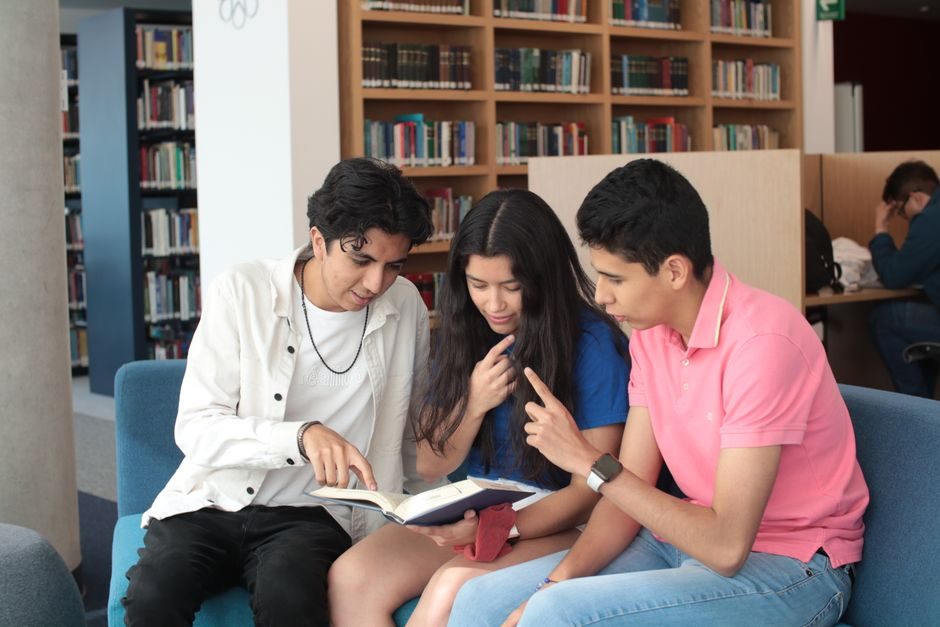
These records offer authentic sources for teaching memory, identity, and urban change. They allow students to analyze how communities perceive notable individuals and events within Rome’s social fabric. Through close reading, students practice critical analysis and source evaluation. A useful resource on this topic: romenotizie.com.
Using real records helps connect theory to practice, letting students test hypotheses about memory, commemoration, and public space. They can compare different periods or communities to see how memory shifts over time.
Instructors can design assignments that trace a person’s social network, a local event’s impact, or a community’s commemorative practices, turning abstract concepts into tangible evidence.
- Design assignments around a specific record type
- Encourage students to map biographical details
- Analyze language and framing in memorial entries
- Compare records from different districts or eras
- Discuss what is omitted as well as included
Cautions and limits
No archival source is complete or neutral. Remember that memorial records reflect particular communities’ priorities and biases, not universal truth. Teach students to question who authored the record and why it was kept.
Be mindful of gaps, inconsistent naming, and potential transcription errors that can mislead interpretation. Cross-reference with parish registers, civil records, and local histories to build a fuller picture.
Document uncertainties in your teaching materials and guide students through methods to triangulate evidence while respecting archival limits.
- Identify potential biases in the record
- Cross-check with other sources
- Acknowledge gaps in the archive
- Teach students how to cite sources carefully
- Design activities that reveal archival limitations
Where to start your search
Starter resources
Begin with national or city archives that list Rome-focused memorial records. Look for catalogues that mention necrologi or ricordI in connection with religious or civic communities. These starting points help you assemble a core set of materials for a beginner project. A useful resource on this topic: eventi della comunità a Roma.
Public libraries and university libraries may host digitized collections or guidebooks that explain how to access local memorial records. They can also suggest suitable classroom activities aligned with curriculum goals.
For teachers, building a small, curated reading list with ten accessible records allows students to practice source analysis without being overwhelmed.
- Identify central repositories
- Use finding aids to filter by topic
- Ask librarians for classroom-friendly extracts
- Curate a short, manageable reading list
- Plan a field visit if feasible
| Method | Strengths | Limitations |
|---|---|---|
| Source critique exercises | Develops critical thinking | Depends on available records and instructor time |
| Timeline construction | Shows sequence of events | May oversimplify complex memory networks |
| Memory maps | Engages diverse learners | Requires careful scaffolding |
Digital tools and ethics
Digital catalogs and image portals can simplify discovery, but you must assess image quality, transcription accuracy, and provenance. Teach students to verify digital copies against originals and to respect copyright and privacy rules when sharing extracts in class.
Ethical use includes citing sources properly, avoiding piecing together records to create misleading narratives, and explaining any digital alterations that may affect interpretation.
When possible, compare digital surrogates with onsite archives to illustrate quality differences and decision points in archival work.
- Verify provenance and license
- Cite digital copies properly
- Avoid misrepresenting digital edits
- Discuss ethics of sharing material
- Document differences between copies and originals
In project work, assign students to compile a mini-archive around a local figure or event, with a clear rubric for sourcing, annotation, and presentation.
Practical ways to use in teaching
Classroom activities
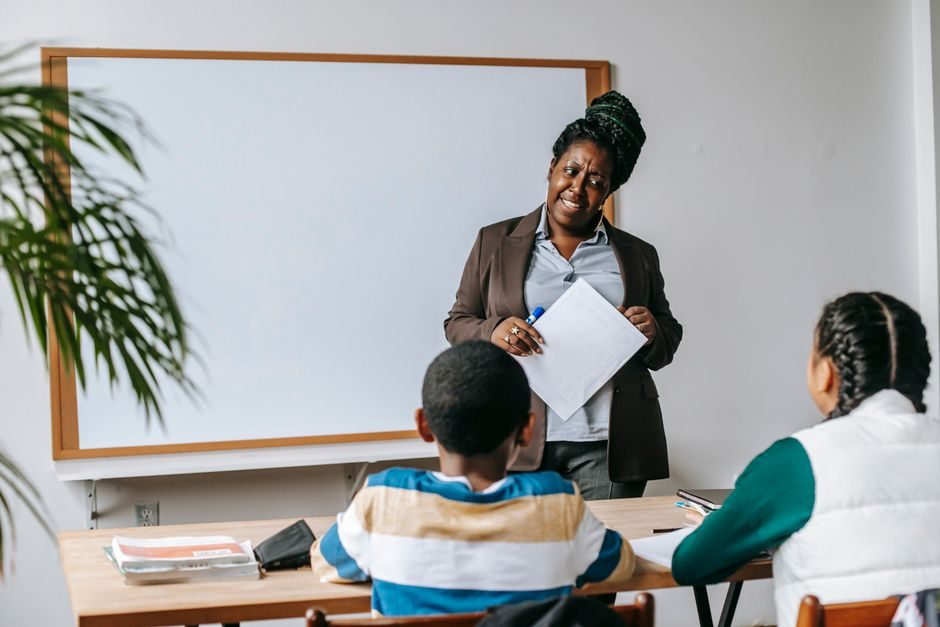
Use a small set of records as case studies for group analysis, followed by guided class discussions that address interpretation and bias. Include activities such as source critique, timeline construction, and memory mapping to engage different learning styles. A useful resource on this topic: aggiungere la tua attività a Roma.
- Define learning objectives
- Select 3-4 records as core texts
- Create a scoring rubric
- Plan a demonstrable student output
In project work, assign students to compile a mini-archive around a local figure or event, with a clear rubric for sourcing, annotation, and presentation.
Provide clear prompts that connect the material to course learning objectives and to broader themes in Italian history and memory studies.
- Source critique exercises
- Timeline and memory map projects
- Mini-archive student projects
- Specific assessment rubrics
- Opportunities for oral presentations
Research extensions
Record material can support research methods courses by illustrating provenance, transcription, and archival ethics. Students can design small research projects that compare memorial practices across Rome’s districts or parishes.
Encourage students to document their search strategy, note uncertainties, and reflect on how cultural memory shapes historical interpretation.
This approach helps students translate classroom learning into publishable or presentation-ready research.
- Design a mini-methods project
- Encourage search strategy logs
- Promote reflection on memory and interpretation
- Aim for public-facing findings
- Link to broader archival theory
Ethical handling of sensitive materials
Respectful access and consent
Educators should verify who owns archival materials before sharing or presenting them to students. When possible, obtain written permission or rely on public-domain resources. Clear attribution also helps students understand intellectual property boundaries. pubblicare un annuncio a Roma with a careful audience in mind, you can frame it as a public notice tied to a student project.
In classrooms, frame materials with sensitivity, avoiding sensational language or graphic detail unless necessary for historical accuracy. Prepare a short pre-lesson note explaining why certain materials require careful handling. Model respectful discussion and remind students of privacy considerations.
Consider school or university ethics guidelines when using personal memorial records. If a dataset includes living individuals or recently deceased figures, assess potential harm or discomfort before using it in assignments. Build in reflection prompts that address responsibility and bias.
- Check ownership before reproduction
- Provide context to avoid sensationalism
- Offer alternatives when access is restricted
Conservation and digitization
Digitization best practices
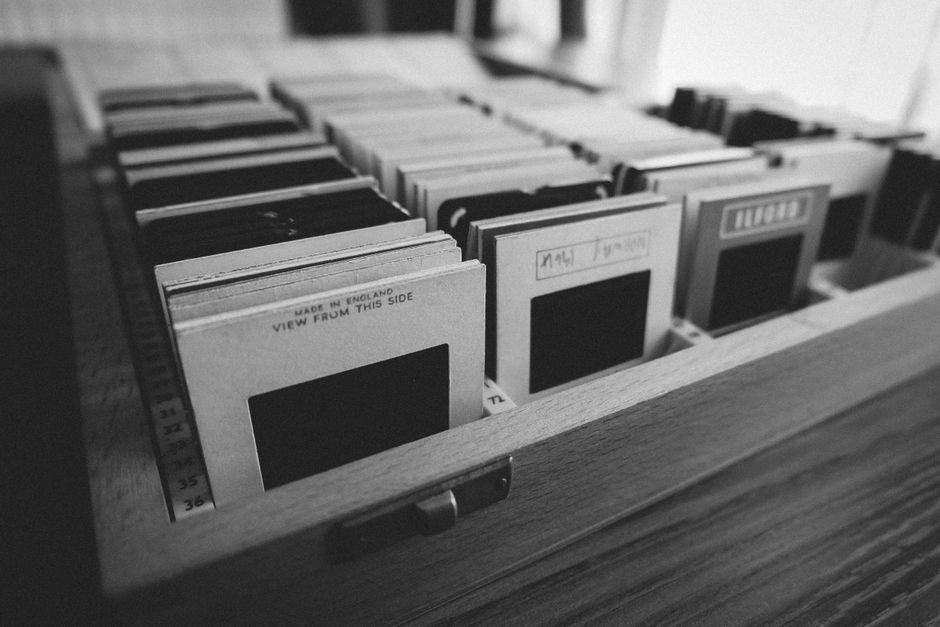
Start with a quick assessment of material condition to avoid further damage during handling. Use non-invasive scanning methods and stable lighting to preserve legibility. Document metadata meticulously for future researchers and students.
Organize files with a clear taxonomy and standardized file naming. Include creation dates, locations, and any notable features in the metadata. This helps educators retrieve materials quickly during lesson planning.
Plan a digitization workflow that includes quality checks and long-term storage considerations. Use secure backups and consider open formats to ensure future accessibility. Regularly review storage needs as technology evolves.
- Non-invasive scanning
- Detailed metadata
- Reliable backups
- Open formats
- Clear taxonomy
Collaborative projects and partnerships
Building classroom coalitions
Form a cross-disciplinary team to integrate ricordi e necrologi a Roma into history, literature, and civic education. Assign roles and create a shared timeline so students experience collaboration as a real skill. Use rotating leadership to mirror authentic teamwork.
Engage local libraries, museums, or university archives to augment classroom work with expert guidance. Joint projects can include exhibitions, digitization tasks, or annotated guides. Establish clear expectations and communication channels from the start.
Develop community-facing outputs, such as student-curated virtual galleries or public displays. This helps learners understand how memory and record-keeping connect to civic life. Include reflection on ethical considerations and audience impact.
- Form cross-disciplinary teams
- Partner with local institutions
- Create public outputs
Assessment and evidence
Measuring impact and learning
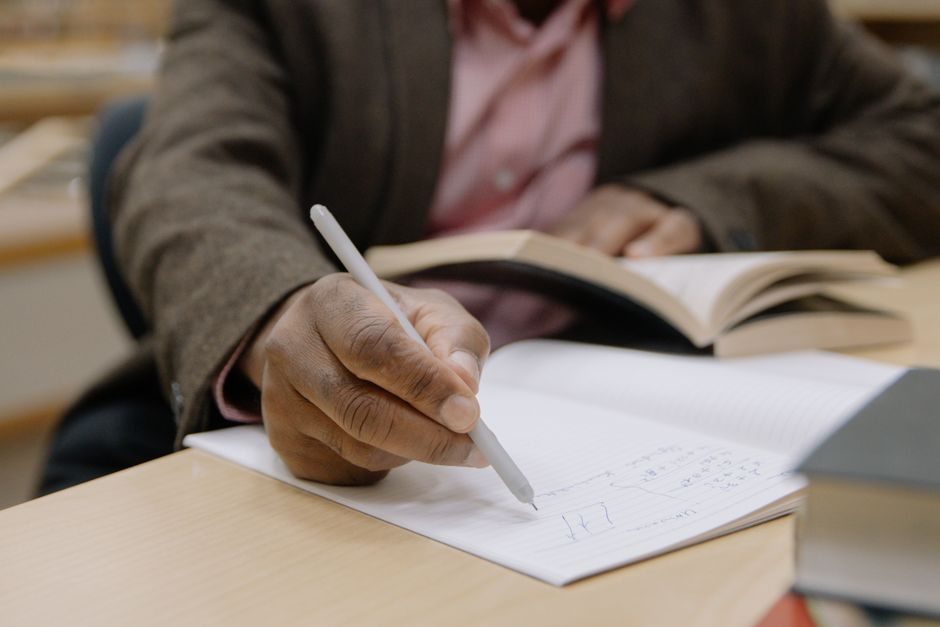
Design assessments that connect archival work to key outcomes, such as critical thinking, sourcing, and historical interpretation. Use rubrics that emphasize evidence-based reasoning and transparent sourcing. Provide exemplars to guide student expectations.
Incorporate reflective writing or oral presentations to capture process understanding, not just final products. Ask students to articulate how ethical choices shaped their work and conclusions. Provide feedback that reinforces careful analysis, not just accuracy.
Track learner progress with multiple artifacts across the project: a source record, a short analysis, and a final presentation. This portfolio approach shows growth over time and helps identify areas for future instruction.
- Use evidence-based rubrics
- Include reflective components
- Portfolio approach
- Clear sourcing standards
Frequently asked questions
How do I start a project using Ricordi e Necrologi a Roma in class?Begin with a clear learning objective that connects to your curriculum. Gather publicly available or properly licensed materials, then outline ethical guidelines for students. Build in a short orientation on sourcing and privacy before any primary-source activities.
What if a resource is restricted by copyright or access?Choose alternatives such as public-domain materials, summaries, or teacher-generated datasets. Clearly explain the limitations to students and focus on the analytical skills rather than verbatim reproduction.
How can students assess their own work ethically?Provide a rubric that emphasizes source credibility, context, and respectful representation. Include a reflection prompt where learners explain how they handled sensitive material and what they learned about bias.
What partnerships enhance classroom use?Collaborate with local libraries, archives, or universities to access expertise and validate methods. Joint activities could include digitization clinics, annotated guides, or student-led exhibitions.
Next steps for educators
A practical next step is to map a brief project timeline that aligns with your existing syllabus and assessment schedule. Include checkpoints for ethics discussions and metadata creation so students build responsible habits from the start.
Draft a simple permission and privacy note for your institution, outlining how materials will be used, stored, and cited. Share this with students and families to set expectations and protect sensitive information.

Add Education News as a preferred source on Google


