
Understand evento comunitario Spain: a practical guide for educators
A clear, actionable guide for teachers and students on Spanish community events, highlighting planning, participation, and educational value.

Educators often overlook local events as learning opportunities. This guide shows how a community event in Spain can enrich classroom topics, from civics to language practice. You’ll learn concrete steps to find events, assess relevance, and integrate them into lessons for real-world engagement.
Community events can become powerful teaching moments when aligned with curriculum goals and student interests. This article outlines practical ways to participate, document, and reflect on experiences to support learning objectives. Expect concrete steps, local examples, and cautionary notes to keep trips educational and well-planned.
The process emphasizes preparation, safe participation, and classroom stewardship. By treating events as fieldwork, you can expand access to authentic experiences without overloading your schedule. Each section offers clear actions you can implement in the next month.
- Find events that align with your unit goals and student needs. Prepare a short plan, pre-visit prompts, and a debrief rubric. Participation should be structured, safe, and educational.
- Use structured roles and prompts to guide observation and reflection during events. Pre-visit checks on accessibility and language support improve participation.
- Prioritize relevance, accessibility, and clear outcomes when selecting events. Maintain simple, flexible plans and a concise post-visit task for students.
- Avoid overbooking and vague learning goals. Debrief thoroughly with students and hosts to close the loop and improve future visits.
Basics of finding events
Where to look for events
Start with official cultural calendars, municipal notices, and school networks to compile a short list of Spanish community events. Prioritize events that connect to language learning, history, or civic topics. Ask colleagues for recommendations and note dates that fit your schedule. eventos de la comunidad en España
Visit city portals and local libraries to confirm details, then create a one-page fieldwork plan for students. Look for accessibility, safety, and language clarity when selecting options.
Compare events by relevance, cost, and travel time to ensure a balanced intake across the term.
- Check dates early
- Group visits by topic
- Plan safe travel
- Document accessibility
- Coordinate with hosts
Ways to participate
Active participation ideas
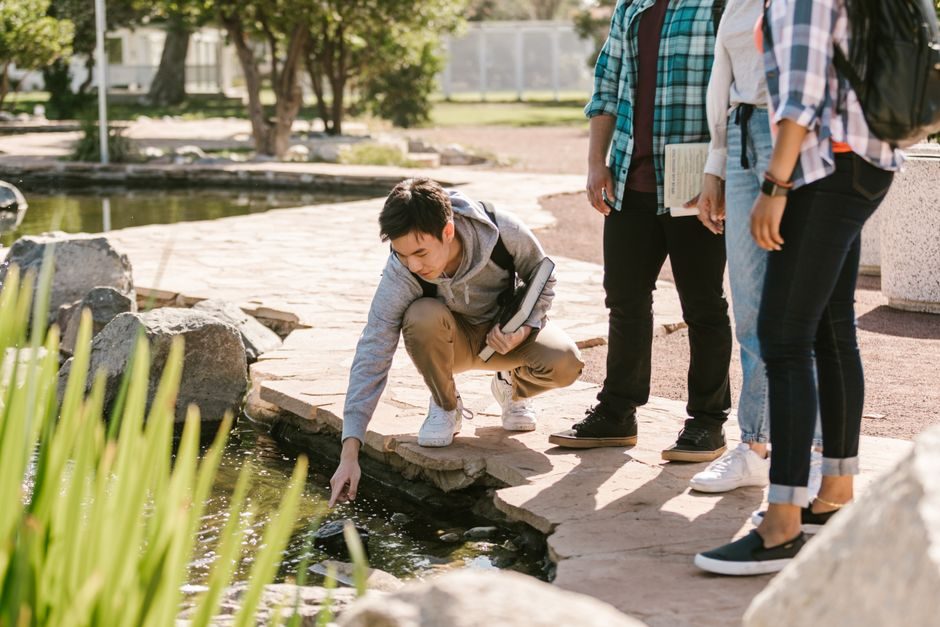
Assign roles like observer, note-taker, or photographer to guide student engagement during an event. Use a simple rubric to assess observations, questions, and reflections. Aim for 2–3 concrete outcomes per visit. A useful resource on this topic: leyderecho.es noticias.
Prepare a brief pre-visit briefing and a post-visit debrief to connect the experience with your unit goals. Encourage students to compare what they saw with textbook concepts.
Offer structured prompts that focus on evidence gathering, not just impressions; include questions that tie into literacy or math where possible.
- Observer roles
- Structured prompts
- Post-visit reflections
- Safe conduct during events
- Evidence-based questions
Choosing the right events
Criteria for relevance
Choose events that align with your current unit and have clear takeaways for students. Favor events with opportunities for discussion, observation, and primary-source material. Avoid activities with limited accessibility or bilingual support. A useful resource on this topic: listado de empresas en España.
Set a minimum learning outcome before you choose to attend. Document how the event will contribute to students’ skills in inquiry, collaboration, or communication.
Use a short pre-visit worksheet to identify questions and expected insights, then adapt during the event based on what you observe.
- Relevance to unit
- Accessibility
- Pre-visit worksheet
- Opportunity for primary sources
- Clear takeaways
| Option | Pros | Cons |
|---|---|---|
| Large city festival | Wide learning, diverse topics | Logistics can be complex |
| Museum-focused event | Structured materials, experts | May be crowded or rushed |
| Community meetup | Local relevance, practical context | Less formal educational structure |
Record-keeping matters; without a log of contacts, reflections, and permissions, the experience loses educational value.
Pitfalls to avoid
Common issues and fixes
Overplanning can overwhelm students and organizers; keep a simple itinerary with flexible buffers. Missing accessibility needs can exclude participants; confirm translation or support options in advance. Always obtain permission from guardians and school leadership. A useful resource on this topic: clasificados de España.
Record-keeping matters; without a log of contacts, reflections, and permissions, the experience loses educational value. Maintain a clear checklist for safety, consent, and post-visit tasks.
Debriefing matters: without a structured follow-up, lessons fade. Schedule a short reflection in class and share a summary with the event hosts to close the loop.
- Overplan vs flexible
- Check accessibility
- Obtain permissions
- Keep a visit log
- De-brief with hosts
Ethics and safety in community learning
Guidelines for respectful engagement
Educators should model respectful inquiry when engaging with community events, ensuring all participants feel safe and heard. Outline clear expectations about behavior, consent, and privacy before activities begin. This upfront clarity reduces misunderstandings and fosters inclusive participation. publicar una esquela en España will be used as a sample phrase within the text to illustrate how to connect with local community channels.
- ☐ Set expectations for respectful behavior and consent
- ☐ Provide accessibility and language support
- ☐ Explain data handling and privacy measures
- ☐ Review safety plans and crisis procedures
Provide accessibility options, such as translated materials or sign-language interpretation, so diverse learners can join discussions and projects. Document who can access information and how personal data will be used, stored, and shared. Revisit these policies after major events to reinforce trust.
Highlight equity by giving priority to underrepresented groups in invitation lists and agendas. Use feedback to adjust formats that work for different age groups and backgrounds, and document decisions to show accountability. Consider safety plans for in-person events, including clear routes, supervision, and emergency contacts.
- Establish a code of conduct and share it early
- Offer language and accessibility options
- Protect participant privacy and data
- Create a safety and crisis plan
- Document decisions for transparency
Measurement and assessment

Assessing learning impact
Educators should align event outcomes with curricular goals and document observable skills gained by participants. Use simple rubrics to grade participation, collaboration, and reflection without overloading learners with tests. Share results with students to reinforce what was learned.
- Define learning goals tied to events
- Record participation and outcomes
- Review evidence with students
- Plan improvements for the next event
Capture diverse evidence, such as project outputs, peer feedback, and short reflections. Provide examples of strong contributions and concrete next steps for improvement. This helps students see how community events translate into classroom progress.
Offer formative feedback and adjust future participation based on observed strengths and gaps. Maintain a record of attendance and engagement trends to inform planning for subsequent events. If possible, pair learners with mentors to extend learning beyond the event.
- Use rubrics aligned to goals
- Collect varied evidence
- Provide feedback and next steps
- Track engagement over time
- Pair students with mentors
Building classroom partnerships
Fostering school-community ties
Effective partnerships start with clear roles and shared aims between educators and community organizers. Host a kickoff meeting to align schedules, resources, and expectations, then maintain quarterly touchpoints to review progress. Document agreements to avoid scope creep and miscommunication.
Create joint plans that include classroom activities, community challenges, and student reflections. Invite partners to co-design a project that leverages local knowledge and assets. Ensure students can demonstrate learning in familiar formats, like presentations or exhibitions.
Develop mutually beneficial communication channels, such as newsletters or shared dashboards. Clarify who communicates what and when, and assign internal champions to keep momentum alive. Build trust by acknowledging partner contributions and sharing outcomes publicly.
- Clarify roles and goals
- Co-design projects
- Use shared communication channels
- Acknowledge contributions
- Maintain regular check-ins
Sustainable engagement
Maintaining long-term participation
Sustainability relies on recurring formats that learners recognize and trust. Develop a calendar of events with predictable timing and diverse venues to reduce burnout and accessibility barriers. Encourage student leadership to keep programs alive beyond a single term.
- Schedule regular events for consistency
- Rotate formats to maintain interest
- Document resources for reuse
- Engage alumni to expand reach
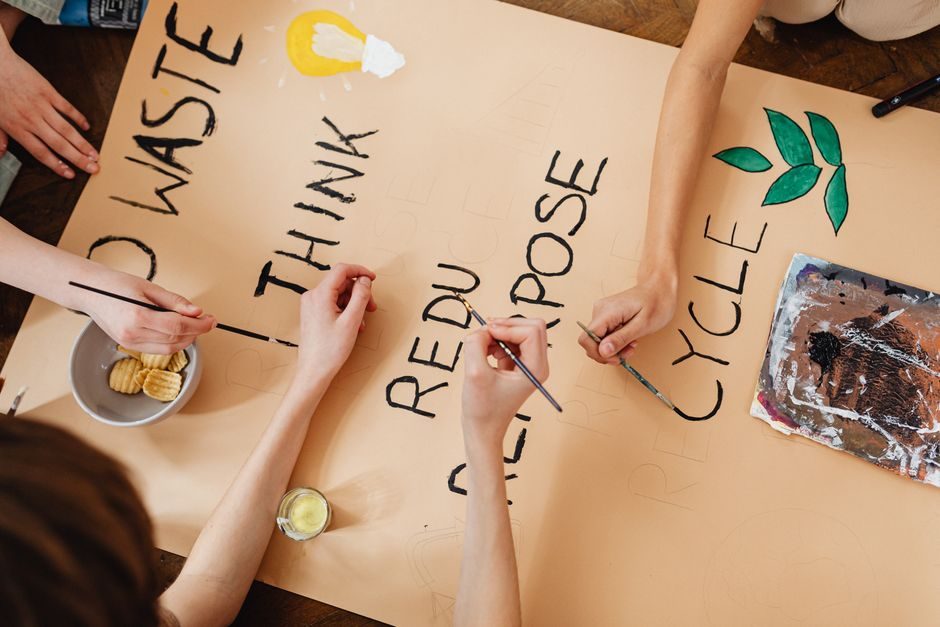
Offer rotating themes and formats so interest remains high and different skills are highlighted. Provide optional roles, like event coordinators or poster designers, to foster ownership. Track participation to identify when engagement drops and respond with targeted changes.
Create resource banks with templates, checklists, and reflection prompts so teachers can reuse structures without reinventing the wheel. Seek local sponsors or grants to sustain activities, but keep core activities learner-centered and voluntary. Include alumni networks to extend impact beyond the classroom.
- Plan a recurring calendar
- Rotate themes and roles
- Monitor engagement trends
- Build reusable resources
- Involve alumni and sponsors
Frequently asked questions
How do I start if I have never worked with a community organization before?Begin with a clear student learning goal and a short list of potential partners. Reach out with a concise email, proposing a small, specific activity. If possible, ask a colleague who has prior experience to join you for the first meeting.
What makes a community event valuable for education?Value stems from real-world relevance, opportunities to apply skills, and chances to reflect on learning. Choose events that connect to curriculum, involve collaboration, and offer clear outcomes that students can present or publish.
How can I support diverse students at community events?Provide accessibility options, interpretations, and materials at multiple levels of challenge. Pair students for peer support and ensure tasks allow different strengths to shine. Check in with families to address logistical needs.
Is there a risk of disrupting class routines?Plan with a short pre-event briefing and a post-event debrief. Align activities with ongoing units so the event complements existing work rather than replacing it. Use flexible timelines to accommodate both in-class learning and community participation.
Practical next steps for educators
Educators should treat community events as extensions of classroom goals, not one-off activities. Align activities with learning standards, document outcomes, and communicate results to families. Plan follow-ups that translate community insights into classroom practice.
Use the built relationships and collected work to design subsequent lessons that build on community insights. Create a short, practical next-step plan for students, such as a collaborative project or a reflective blog. Ensure the momentum continues beyond the event and into ongoing learning.

Add Education News as a preferred source on Google


