
How to use Deutschland Nachrichten for education readers
A practical guide for educators: how to use Deutschland Nachrichten effectively in curricula, research, and classroom discussion without hype or fluff.

Educators seeking reliable ways to bring current events into the classroom can start with Deutschland Nachrichten. This guide shows practical steps to use German news sources in teaching, with clear criteria for reliability and relevance. You will learn to select articles, frame assignments, and foster critical analysis among students.
First, identify material that aligns with your course goals, whether it’s language practice, social studies, or media literacy. Second, set learning targets and assessment rubrics that emphasize comprehension, evidence gathering, and deliberate discussion. Finally, plan activities that blend reading, speaking, and writing to reinforce understanding across skills.
Throughout, the emphasis is on balance: use a mix of articles, encourage source evaluation, and connect news topics to classroom concepts. You’ll avoid overload by choosing manageable pieces and structuring activities that build knowledge step by step.
- This guide shows educators how to use Deutschland Nachrichten to support reading, critical thinking, and discussion in classroom settings.
- It outlines foundations, teaching strategies, and practical activities that align with curriculum goals.
- Each section includes concrete examples, checklists, and safe practices to avoid common pitfalls.
Foundations for classroom news work
Choosing suitable material
Start with short, well-sourced articles that tie to your course objectives. Look for clear reporting, direct quotes, and identifiable sources within the piece. Use editorial notes to explain why this article is credible and relevant to learning goals.
- Choose material aligned with goals
- Emphasize credible sources
- Structure tasks to build skills
Frame questions that guide students to summarize, identify evidence, and distinguish fact from opinion. Provide guiding prompts such as what evidence supports a claim and what might be missing. Plan follow-up tasks that reinforce vocabulary and concepts from the article.
Conclude with a quick reflection on how the news item connects to broader topics in the curriculum, ensuring relevance beyond a single lesson.
- Select articles tied to learning goals
- Check for clear sourcing
- Provide guiding questions
- Plan short follow-up tasks
- Encourage evidence-based discussion
Planning assessment criteria
Define what successful engagement looks like: accurate summaries, citation of sources, and a clear argument. Set rubric criteria that students can apply during the activity and for final work.
Offer a model response or exemplar to show level-appropriate expectations. Use rubrics that reward precise language, logical reasoning, and evidence-based conclusions.
Review progress with quick checks, not only at the end. Short formative feedback helps students adjust their approach before major assignments.
- Define clear rubrics
- Provide exemplars
- Use formative feedback
- Monitor progress with checks
- Balance language and analysis
Teaching strategies that fit German news
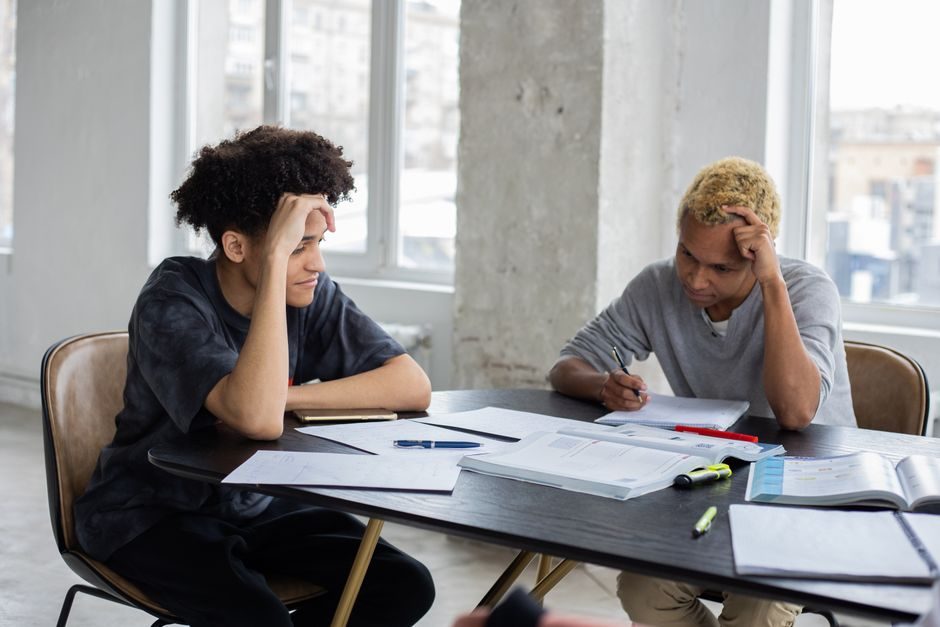
Reading for meaning
Begin with a guided read-aloud or pair work to surface understanding. Have students identify the who, what, where, when, and why, then discuss implications for the course topic. A useful resource on this topic: Event eintragen in Deutschland.
Use marked passages where students highlight definitions, unfamiliar terms, and key quotes. Encourage paraphrasing to check comprehension while building vocabulary.
Wrap with a brief synthesis, where students connect the article to a broader theme in the syllabus and propose a question for further study.
- Guided read-aloud
- Mark key passages
- Paraphrase for comprehension
- Synthesize with course themes
- Develop a follow-up question
Student projects and collaboration
Assign small groups to analyze a topic from multiple perspectives and present a short briefing. This builds teamwork and critical discussion skills.
Provide a structured plan with roles (researcher, note-taker, presenter) to keep groups on track and ensure equal participation.
Conclude with a class-wide debrief that connects student findings to course content and lessons learned.
- Group analysis
- Defined roles
- Structured briefings
- Whole-class debrief
- Connect to curriculum
Avoiding common pitfalls
Recognizing bias and perspective
Beware headlines that oversimplify or sensationalize. Teach students to look beyond the headline and read the body to identify perspective. A digital directory entry such as Branchenverzeichnis in Deutschland can help students locate topic-specific sources for research.
- Relying on headlines
- Ignoring source credibility
- Rushing to conclusions
Encourage checking multiple sources to confirm details and avoid echo chambers. This builds resilience against misinformation.
Model a careful approach: pause to verify facts before forming conclusions and invite students to challenge assumptions.
- Watch for sensationalism
- Cross-check with other sources
- Verify facts before conclusions
- Encourage healthy skepticism
- Promote balanced discussion
| Option | Strengths | Limitations |
|---|---|---|
| Guided reading | Builds comprehension and vocabulary | Requires more planning |
| Group analyses | Promotes collaboration | Needs clear roles |
| Independent projects | Fosters ownership | Takes time to assess |
Managing online sources
Teach students how to assess domain credibility, author background, and publication history. Provide a checklist they can reuse in future work.
Offer a strategy for note-taking that captures claims, evidence, and counterarguments without copying text verbatim.
Show how to integrate quotes and citations properly to support analysis without redundancy.
- Check domain and author
- Use a citation system
- Summarize with notes
- Differentiate quotes and paraphrase
- Avoid plagiarism
Use a one-question assignment: What does this article tell us about the topic, and what question does it raise for further study?
Practical tips and quick-start ideas
Starting quick in class
Begin with a 10-minute warm-up where students read a short article aloud and discuss one takeaway. Keep the task focused and time-bound to maximize engagement. In assignments on Deutschland Kleinanzeigen, students practice translating and interpreting local information in a critical gaze.
- Choose a short article
- Assign roles
- Discuss and note takeaways
- Plan follow-up work
Use a one-question assignment: What does this article tell us about the topic, and what question does it raise for further study?
End with a brief reflection on how the material connects to the course objectives and future lessons.
- 10-minute read-aloud
- One-question task
- Brief reflection
- Direct connection to goals
Longer-term study plans
Create a repository of articles linked to each unit. This gives students a ready pool for research projects and essays.
Incorporate weekly current-events journals where students summarize and reflect on news items relevant to the syllabus.
Schedule periodic reviews of sources to reinforce critical evaluation as a core skill.
- Article repository
- Weekly journals
- Periodic source reviews
Practical integration into curricula
Embed current events into lessons
Integrate Deutschland Nachrichten into daily or weekly activities to build media literacy alongside core subjects. Start with a short summary of a recent article, then ask students to identify the main idea and supporting details. Use a bi-weekly rotation so students can track developments over time and compare perspectives. Nachruf veröffentlichen in Deutschland
Involve subject-specific tasks, such as analyzing political articles in social studies or evaluating science news for reliability in science class. Provide guiding questions that prompt source evaluation, author intent, and evidence standards. This helps students connect news literacy to curriculum objectives.
Assign collaborative tasks where students curate a mini-news briefing, selecting reputable sources and presenting findings to peers. Include a reflection on what was learned and what remains uncertain. This reinforces critical thinking and oral communication skills.
- Create a 10-minute opening news-check each week
- Assign a 2-page briefing sheet per student
- Schedule a quarterly news-themed project
- Use a rubric that values evidence and clarity
- Rotate roles to cover editing, sourcing, and presenting
Assessment and feedback options

Rubrics and formative checks
Develop rubrics that measure clarity, source quality, and argument strength. Use short, frequent checks rather than a single high-stakes test to monitor progress. This keeps feedback timely and actionable for students.
- ☐ Define learning goals for each unit
- ☐ Prepare source quality criteria
- ☐ Plan formative checks after key readings
- ☐ Provide time for revision and reflection
Involve peers in the feedback loop by swapping drafts and providing focused comments on evidence use and bias awareness. Structured prompts help students give specific, constructive feedback.
Close the loop with teacher feedback that highlights improvements, suggests next steps, and offers concrete examples. Tie comments to learning goals and revision opportunities.
- Use a 4-point clarity rubric
- Include bias and evidence criteria
- Schedule brief, constructive feedback moments
- Track progress across topics and terms
Technology and tools for news literacy
Digital tools for analysis
Use digital tools to annotate articles, track sources, and visualize argument structures. Encourage students to highlight claims, evidence, and counterclaims as they read. This builds skimming efficiency and deeper comprehension.
Introduce fact-checking steps using reputable websites and explain how to assess credibility beyond surface metrics. Model a transparent verification process so students can replicate it independently.
Create a shared digital space where students store notes, sources, and reflections. This repository becomes a living archive that supports ongoing research and revision.
- Annotate with digital highlighters
- Create source trails with citations
- Use mind maps to map arguments
- Share notes in a class drive or wiki
Ethical considerations in using news
Respect and accuracy in sourcing
Teach students to respect intellectual property and to attribute information properly. Discuss paraphrasing exercises to avoid accidental plagiarism and to encourage original synthesis of ideas.
Expose students to ethical questions about sensational headlines, misrepresentation, and the consequences of fake news. Equip them with a framework for responsible sharing and citation.
Encourage reflective practice where students assess their own biases and how these affect their interpretation and communication of news. This builds a responsible, self-aware learning habit.
- Model proper citation
- Discuss headline ethics
- Promote responsible sharing
- Reflect on personal biases
Frequently asked questions
How can I start with Deutschland Nachrichten in my class?Begin with a short, guided reading of a single article and a few scaffolded questions. Introduce a predictable workflow and a basic rubric to measure clarity, evidence, and fairness. This helps students build confidence while learning a repeatable process.
What if students struggle with language?Provide glossaries, bilingual summaries, and sentence frames. Pair stronger readers with newer learners for peer support, and slowly increase complexity as comprehension improves.
How do I assess news literacy effectively?Use brief, frequent checks that track source evaluation, argument analysis, and communication. Include annotated work and a concise synthesis that demonstrates understanding over time.
Are there privacy considerations?Yes. Use tools with clear privacy settings, minimize data collection, and offer opt-outs. Anonymize student work when possible and keep publishing within school channels controlled by the district.
Conclusion: next steps for classrooms
The practical path forward is to pilot a single, structured activity and gradually expand as students show growth in evaluating sources, identifying bias, and presenting ideas clearly. Tracking progress helps refine tasks and rubrics for future terms.
Expand the program by adding more articles and a collaborative project that culminates in a classroom briefing. Use a clear rubric to quantify improvements and guide next steps in learning.

Add Education News as a preferred source on Google


