
How to place an obituary in a newspaper a clear guide for education readers
A practical guide showing steps to place an obituary in a newspaper, with classroom angles and careful planning for families and educators alike.

When families face loss, knowing how to place an obituary in a newspaper helps preserve a teaching moment for students and communities. This guide walks through practical steps, explaining why each step matters and how to align the process with educational goals such as record-keeping, respectful communication, and civic literacy.
An obituary is more than a notice; it serves as a public record, a touchpoint for learning about life, and a reminder of the role of media in documenting community history. You’ll see how to prepare information that informs readers, respects the deceased, and supports learners who study journalism, history, or social studies.
This article presents a straightforward checklist with concrete steps, examples, and best practices that educators can use in classroom planning or in family guidance.
- This guide explains how to place an obituary in a newspaper, with a clear process and education-friendly framing.
- It covers what to include, how to choose a newspaper, and how to submit while respecting families and audiences.
- Educators can use obituaries to teach research, writing, and media literacy without sensationalism.
Basics of obituary placement
Understanding the needs
Obituaries inform readers about a person’s life and provide details on services, which helps communities support grieving families. Start by listing essential items: full name, age, date of death, service details, and surviving relatives. Consider how these details affect clarity and tone for a general audience. L1: place an obituary in New York City
Think about audience: school staff, students, and local residents may read the notice. Use plain language, avoid sensitive judgments, and limit personal data to publicly appropriate facts.
There is value in preparing a short context about the person’s life, especially for younger readers learning about history or community roles. Ensure accuracy by double-checking spellings and dates.
- Collect the deceased’s full name and commonly used nickname
- Record service times and location clearly
- Provide surviving relatives’ names where appropriate
- Use a respectful, neutral tone
- Verify spelling of all names and places
Choosing the right newspaper
Newspapers differ in size, audience, and obituary formats. Start by identifying local papers that reach your community and consider their deadlines for notices. Larger papers may offer paid options and longer obituaries, while community papers often publish faster and with fewer restrictions.
Compare costs and the space you need. Some outlets require a standard obituary with limited word count, others allow longer tributes.
Think about education goals: a local obituary can become a teaching moment in researching community history or practicing respectful writing.
How to structure the notice

What to include
Begin with the person’s name in full, optionally with a nickname, followed by age. Include date and place of death if appropriate, then a concise biographical note and service details. End with information about donations or family contact if requested by the family. L2: New York City news
- Name and age first, then death details
- Brief biographical note about life and values
- Service and contact information
- End with family wishes or donations if relevant
Keep paragraphs short and use simple sentences that a student can read aloud. Avoid disparaging remarks or extraneous personal history.
For a classroom exercise, compare three sample notices and discuss how each presents the person’s life and values.
Adapting for education contexts
Educators can adapt obituaries for classrooms by focusing on historical figures, local educators, or community leaders. Translate details into learning objectives, such as identifying credible sources, summarizing life stories, or recognizing how obituaries reflect cultural practices.
Use the notice as a reading exercise: annotate the text, discuss tone, and extract key facts. This builds media literacy and civic awareness.
When teaching, ensure the material respects the family’s privacy and the community’s sensitivities.
Where to submit and how to pay
Submission steps
Contact the newspaper’s obituary desk or online portal. Prepare a short message with the notice text, preferred format, and any deadlines. If needed, provide a contact person for follow‑up questions. L3: New York City events calendar
Some outlets offer templates or forms to simplify submission. Use the form exactly as required to avoid delays.
Keep a copy of everything submitted and note the confirmation details for reference in school or family records.
| Option | Pros | Cons |
|---|---|---|
| Plain obituary | Clear, concise facts | Limited space may omit life details |
| Expanded tribute | More life story | Often longer and costlier |
| Photo notice | Visual impact | Requires careful photo permissions |
Costs and commonsense checks
Costs vary by newspaper and notice length. Plan for the potential need to shorten or expand the text to fit space. If working with students, discuss how budgeting for notices relates to classroom project goals.
Ask about photo options or additional features, such as a short tribute box, and whether these align with the educational purpose and family wishes.
Review the notice for accuracy before final submission to prevent follow‑up corrections.
Consider platforms that allow edits or updates, such as date changes or added service details.
Alternatives and online options
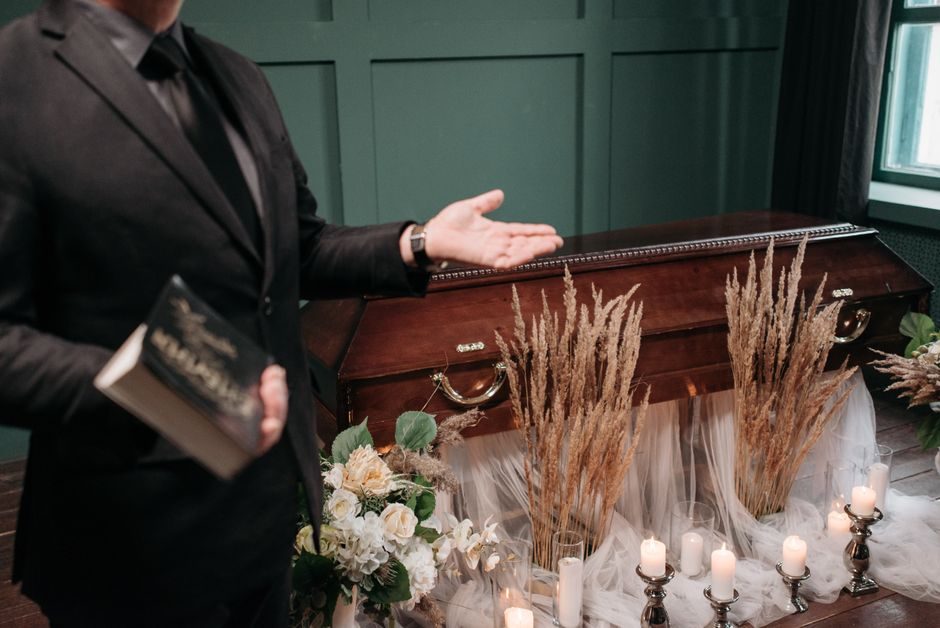
Supplementary notices online
Online memorials complement newspaper notices by reaching readers who search for obituaries independently of print. These notices can be shorter and include links to a family page or charity. Use this as a secondary step after drafting a print notice to broaden reach and preserve memory. L4: promote your business in New York City
- Online notices can be a useful companion to print ads, expanding reach beyond the newspaper’s audience.
- They often support multimedia additions like photos or guest books, which can aid memory and education projects.
- Review each platform’s terms to ensure correct usage and privacy controls.
Consider platforms that allow edits or updates, such as date changes or added service details. This flexibility helps families adapt the notice as plans evolve. For education readers, this also demonstrates how archival records can be augmented with digital resources.
Be mindful of the audience; online notices often reach younger readers and international audiences. Include essential facts like full name, dates, and a brief description to maintain clarity across platforms.
- Use a reputable site with clear policies
- Keep the notice concise and factual
- Add a link to a memorial page if possible
- Update with service details when confirmed
Timelines and deadlines
Planning a timetable
A practical timetable aligns family decisions with publication deadlines. Start by identifying the desired publication date and work backward to set a draft deadline. This approach helps avoid last‑minute errors and ensures accuracy in names and dates. sell second-hand items in New York City
- Identify the issue date early and work backward to set drafts.
- Allocate time for family review and edits before submission.
- Maintain a simple, shared calendar for everyone involved.
Publishers typically require clean copy a day or two before the issue date. Build a buffer for edits and approvals from relatives or legal representatives. Education readers can use this as a template for organizing administrative tasks in school projects.
Missing a deadline risks incorrect information or a reduced notice. Create a checklist with responsible people and a shared calendar to track progress and prevent delays.
- Create a draft deadline
- Set a final approval window
- Coordinate with relatives
- Keep a shared schedule
Ethical considerations
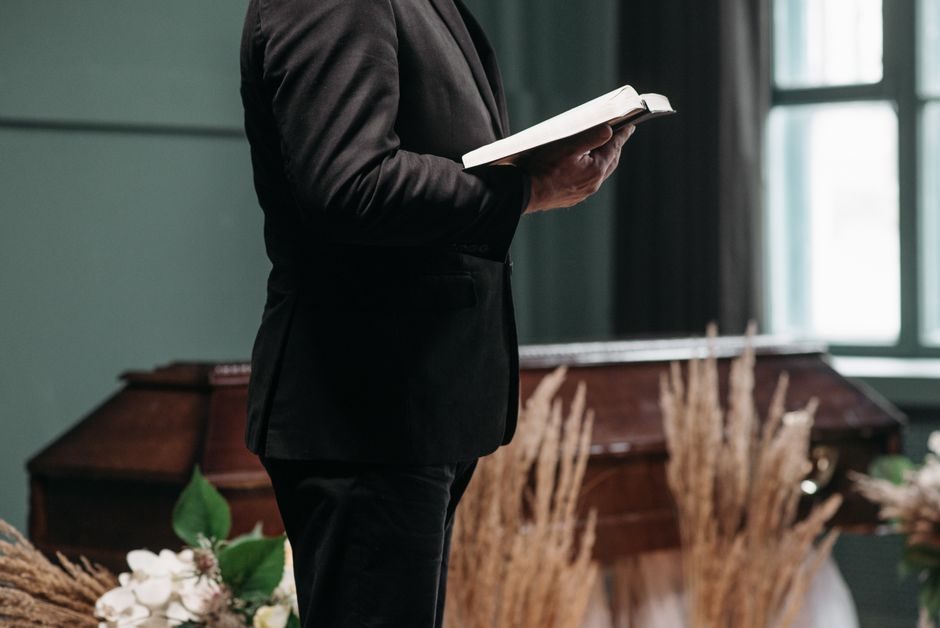
Respectful language choices
The wording should honor the deceased without sensationalism. Favor precise descriptions of roles and interests over vague phrases. This makes the notice accessible to readers with varying backgrounds and literacy levels.
Avoid speculation or unverified details. When uncertain, omit it or frame it as a contributing factor rather than a fact. Ethical notices focus on verifiable information and the memory of the person.
Consider the impact on grieving family members and close friends. A respectful tone reduces harm and reflects educational values like empathy and critical thinking.
- Use clear, factual details
- Avoid sensational phrasing
- Respect privacy boundaries
- Be mindful of tone in all edits
Education-focused practices
Obituaries as learning resources
Obituaries can serve as concise biographies useful in history or social studies lessons. They provide real examples of how communities remember members and record achievements. Use them to discuss writing styles, sources, and citation in a classroom setting.
When teaching, compare print and digital notices to show how audience affects structure and tone. Students can practice extracting key facts, such as dates, roles, and affiliations, from different formats.
Educators can use obituaries to illustrate archival practices and the ethics of recording memory, helping students understand primary sources and respectful reporting.
- Use obituaries to teach source extraction
- Compare formats across media
- Discuss ethical reporting practices
Frequently asked questions
Can I place an obituary on behalf of a family member?Yes. Submit the notice with the deceased’s full name and confirmed dates, and ensure the family approves the wording before publication. This avoids misrepresentation and reduces the chance of later corrections.
Is a paid notice necessary, or can I rely on free notices?Many newspapers offer both paid and free options. Paid notices tend to appear earlier and with broader distribution, but free notices can still reach readers through the publication’s platform if deadlines are met.
How long should a notice be?Obituary length varies by publisher, but a concise notice that includes the person’s name, dates, and a brief description of roles is most effective. Longer notices may require additional space or a separate memorial page.
What information should I avoid including?Avoid unverified claims, sensitive health details, or controversial topics. Stick to verifiable facts like roles, organizations, and dates to maintain respect and accuracy.
Conclusion
Takeaways for readers include understanding the process, respecting deadlines, and ensuring accuracy when placing an obituary in a newspaper. This knowledge helps students manage archival records responsibly and ethically.
A practical next step is to assemble a simple checklist for family review, draft copy, and submission with clear deadlines to avoid errors and delays.

Add Education News as a preferred source on Google


