
How to Build a Student Ambassador Program That Works
Learn what student ambassadors do and how schools can set goals, recruit a diverse group, prepare students, and support a program that serves its community.

A student ambassador program gives selected students a supported role representing their school, welcoming others, and sharing student perspectives with families or the wider community. Schools can make it useful by defining its purpose, recruiting students with varied experiences, and preparing them for specific tasks. The strongest programs also provide supervision, clear boundaries, and regular opportunities for students to reflect.
Ambassadors might lead a campus tour, welcome new students, speak at an open house, or bring student feedback to staff. The right activities depend on the school’s goals and the students’ capacity; a program should not turn young people into unpaid substitutes for staff or ask them to speak for every student.
Use this checklist to plan a program that fits your community, choose a workable model, recruit fairly, and prepare students before they take on public-facing responsibilities. Build in training and ongoing support from the start, so students know what is expected and adults can respond when needs or circumstances change.
- Define a specific school or community need before creating ambassador duties.
- Choose goals, supervision, and activities that match the time and capacity available.
- Recruit through accessible routes and value listening as well as confidence.
- Prepare students with practice, clear boundaries, and dependable adult support.
What a student ambassador program is for
Define the representative role
A student ambassador is a student given a defined role in welcoming, informing, or representing a school community. Typical tasks include greeting visitors, helping new students find their way, speaking about school life at an event, or sharing student feedback with staff. The role supplements educators’ work; it does not replace professional supervision or decision-making.
Set out who ambassadors represent and where their responsibilities begin and end. For instance, a student may describe their own experience of a class or club, but should not be expected to explain confidential decisions or speak for classmates without their input. Clear boundaries protect both students and the credibility of the program.
Make the role useful to students as well as the institution. They can practise communication, listening, teamwork, and public speaking while contributing to a more welcoming school. Explain these learning opportunities honestly, and avoid promising formal qualifications or outcomes unless the school can provide them.
Choose a community purpose
Begin with a need the school can describe in practical terms. A primary school might want new pupils to feel less anxious on their first day, while a college may need students to explain campus routines to visiting applicants. A specific purpose helps staff choose appropriate activities and judge whether the program is useful.
Ask students, families, and staff what support or information would make a difference. Their answers may show that visitors need clearer directions, new students need peer contacts, or families want to hear more about everyday school life. Check which needs ambassadors can address and which require staff expertise or a separate service.
Keep the purpose narrow enough to guide decisions, but broad enough to accommodate different activities. A school focused on welcoming new pupils could use ambassadors at transition events and in peer introductions. Review the purpose with students after activities, since their experience may reveal that the original plan needs adjustment.
Set clear goals and choose a program model

Turn priorities into goals
Translate the program’s purpose into goals that can guide everyday choices. If the aim is to help new students settle in, a useful goal might be to offer peer welcome activities during transition periods. When schools explain those goals to families and community partners, Leicester Seo Services may be relevant to institutions serving that area.
Choose signs of progress that staff and students can actually observe. For example, record whether planned welcome activities took place, collect anonymous feedback about visitors’ experience, or ask ambassadors what questions they heard repeatedly. These checks help the school improve the program without treating students as responsible for outcomes beyond their control.
Assign an adult lead who can coordinate activities, answer questions, and make changes when a plan is not working. Agree who approves public statements, arranges supervision, and handles concerns. Written responsibilities reduce confusion when several departments or community partners take part.
Match the model to capacity
Choose a format that fits the time students and staff can reliably give. A small event-based team may suit a school with occasional visitor days, while a peer welcome group may need regular check-ins during the school year. Starting with a manageable commitment is safer than recruiting for activities the school cannot sustain.
Set out how often the group will meet, which activities it will cover, and how students can join or step back. Consider whether ambassadors will work in pairs, take turns at events, or serve as contacts for particular year groups. A simple schedule helps students balance the role with lessons and other commitments.
Before launching, check practical requirements with relevant staff. Confirm adult supervision, accessible meeting arrangements, permissions for student participation, and a process for handling questions that need follow-up. If the school works with families or outside partners, explain the program’s goals and boundaries in language they can understand.
- Event-based team for occasional open days
- Peer welcome group for new students
- Student feedback panel for staff discussions
Recruit students with a range of perspectives
Make recruitment accessible
Invite students through more than one route so the role reaches beyond those already visible in leadership activities. Share the opportunity in tutor groups, student communications, and conversations with staff who know different parts of the school. Explain the tasks, expected time, support, and selection process before students decide whether to apply.
Avoid using popularity, confidence, or polished public speaking as shorthand for suitability. Listening carefully, following through, and respecting others may matter more for a welcoming role. If students submit an application or take part in a conversation, offer clear prompts and reasonable ways to show their interest.
Check whether practical barriers could prevent participation. A meeting scheduled outside a student’s availability, an inaccessible application format, or travel requirements may exclude otherwise interested candidates. Where possible, adjust timing and arrangements, and describe any unavoidable commitments upfront so students can make an informed choice.
- Share an accessible description of the role
- Invite interest through several school channels
- Offer a clear, consistent selection process
- Check scheduling and access barriers
| Approach | Useful for | Watch for |
|---|---|---|
| Open invitation | Reaching interested students | Share clear role expectations |
| Tutor-group invitation | Reaching across year groups | Give every group the same information |
| Staff referral | Finding students with varied strengths | Avoid relying on one staff perspective |
| Short conversation | Understanding student interest | Use consistent, accessible prompts |
Build a varied student team
Aim for a team that reflects the range of experiences in the school, rather than a single familiar profile. Consider year groups, interests, communication styles, and the different pathways students take through school life. A broader team gives visitors more chances to meet someone whose experience feels relevant to them.
Do not ask one student to represent an entire identity group or community. Ambassadors can share personal perspectives, but they cannot speak for everyone who shares a characteristic. Make clear that students may decline personal questions and that staff should handle sensitive topics or requests for private information.
Review who hears about the opportunity and who is selected, while respecting student privacy. If particular groups are missing, consider whether the invitation, timing, or selection method created an obstacle. Recruitment should widen access without placing pressure on students to disclose personal details or perform a representative role.
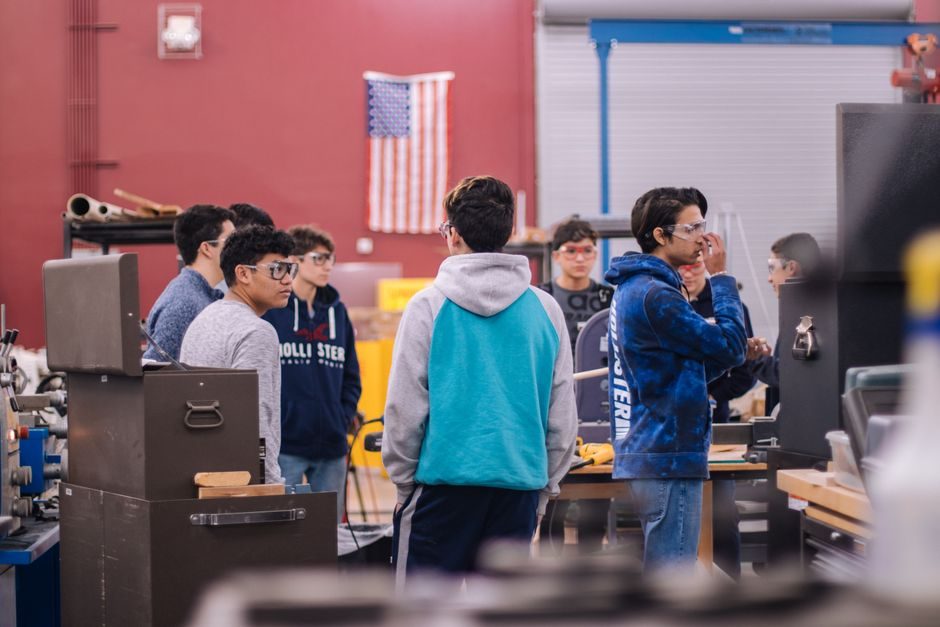
Train students for the real interactions they are likely to face, not just for a welcome speech.
Prepare ambassadors for their responsibilities
Practise common situations
Train students for the real interactions they are likely to face, not just for a welcome speech. Rehearse greeting a visitor, giving directions, answering a question they do not know, and asking an adult for help. Practice makes the role more predictable and gives students language they can adapt in the moment.
- Rehearse likely interactions before students represent the school.
- Give ambassadors a clear route for questions they cannot answer.
- Keep online and printed program information accessible and current.
Teach ambassadors to distinguish between sharing personal experience and giving official information. A student can describe how they found a club, for example, but should refer questions about admissions, safeguarding, or school policy to the designated staff member. Provide contact names or a simple referral route they can remember.
If staff need help making program information clear and accessible online, Seo Services may be one resource to explore; keep student-facing materials plain and easy to use. Check that students can find current event details, know which adult is present, and understand how to report a concern. Practical preparation matters more than a polished script.
Set boundaries and ongoing support
Tell students what they are not expected to do, including handling complaints, sharing confidential information, or managing a distressed visitor alone. Make clear that they can pause an interaction and bring in an adult. Students should know that asking for help is a responsible part of the role.
Provide supervision during activities and a regular check-in afterward. Ask what felt comfortable, what questions came up, and whether any student needs a change in duties. These conversations help staff spot problems early and give ambassadors a way to shape the program based on what they experience.
Agree how students can raise concerns privately and who will respond. Recognize their contributions without making participation feel compulsory or turning public visibility into a measure of a student’s worth. When school demands change, review workloads and let students reduce or leave the role without penalty.
Give ambassadors meaningful ways to contribute
Offer Real Responsibilities
Give ambassadors tasks that make a visible difference to students and the wider community. They might welcome visitors, answer questions at an open day, mentor new students, or gather feedback about a school initiative. Choose duties that connect directly to the program’s goals, so students can see why their time matters.
- Assigning vague duties; define a task, audience, and expected outcome.
- Using ambassadors as unpaid staff; keep responsibilities appropriate for students.
- Expecting students to answer every question; give them a staff referral contact.
Match each responsibility to a clear level of preparation and support. A student who welcomes visitors may need a short briefing and a staff contact, while a peer mentor may need guidance on boundaries and referral procedures. Explain what ambassadors can decide themselves and when they should ask an adult for help.
Avoid assigning students work that belongs to paid staff or asking them to handle confidential concerns alone. For example, an ambassador can listen to a peer and help them find the right support service, but should not promise secrecy or attempt counseling. Clear limits protect students and make it easier for staff to respond consistently.
Create Varied Ways to Participate
Offer more than one way to contribute so students can take part without having identical schedules or comfort levels. Some may enjoy speaking at an event, while others may prefer writing a welcome guide, helping plan an activity, or collecting anonymous feedback. A range of tasks can make participation more accessible and sustainable.
Ask ambassadors which formats suit them, then build a schedule that shares the work fairly. Rotate high-visibility duties rather than repeatedly choosing the most confident speakers. Where possible, allow students to work in pairs, prepare remarks in advance, or take on a behind-the-scenes role before presenting publicly.
Make contributions useful to the school by closing the loop with students and staff. If ambassadors collect questions from prospective pupils, report back on which answers need clarification and who will update the materials. When students see their input lead to a practical change, participation feels like meaningful work rather than a ceremonial title.
- Offer speaking, planning, writing, and listening roles.
- Let students choose tasks that suit their availability.
- Rotate public-facing duties across the group.
- Report back when student input leads to a change.
Make program information easy to find

Build a Clear Information Hub
Put the essential program details in one place that students and families can find without asking a staff member. Include the program’s purpose, who can apply, what ambassadors do, expected time commitments, and how to ask questions. Use plain language and make the page or notice easy to read on a phone.
- ☐ State the program’s purpose and typical ambassador duties.
- ☐ Explain eligibility, application steps, and time expectations.
- ☐ Name a contact for questions and access needs.
- ☐ Check that details match across school communication channels.
Keep information current across the channels people actually use, such as the school website, student portal, family newsletter, and noticeboards. For schools seeking to improve how prospective participants find program details, Local Seo Services may help with accurate local listings and location pages. Keep the program information itself consistent wherever it appears.
Make the route from interest to application obvious. Provide a named school contact or monitored inbox, explain what applicants should submit, and state when they can expect a response without promising a date the team cannot meet. If applications are not open, say when students should check again or how they can register interest.
Communicate Beyond the Website
Do not assume every interested student or family will discover a webpage on their own. Ask teachers, advisers, student support teams, and family liaison staff to share the same short description and point people to the central information hub. This makes access less dependent on a student’s existing connections or confidence asking around.
Choose communication formats that fit the audience and the decision they need to make. A brief classroom announcement can introduce the opportunity, while a family message can explain time commitments and support. A student-led information session may let prospective applicants hear what the role involves and ask questions in a less formal setting.
Review the information from a newcomer’s point of view before each recruitment period. Check whether the wording explains unfamiliar terms, whether application instructions are complete, and whether students can tell what happens after they apply. Invite someone outside the organizing team to test the process and identify missing details or confusing steps.
- Share a consistent program description with school staff.
- Use announcements, family messages, and student events.
- Provide a clear route to the central information hub.
Avoid common design and management pitfalls
Prevent Unequal Access
Design recruitment and participation so that students do not need free time, family transport, or prior leadership experience to take part. Consider when activities are scheduled, whether students can complete tasks during the school day, and what alternatives exist for those who cannot attend an evening event. Remove avoidable barriers before applications open.
Use transparent selection criteria tied to the role rather than an informal impression of who seems confident or polished. A short written response, a conversation, or a practical activity can each reveal different strengths. Offer reasonable ways to participate in selection, and make sure evaluators understand how to apply the criteria consistently.
Look at who applies, who is selected, and who remains active, while respecting students’ privacy. If a group is missing perspectives, ask whether outreach, selection methods, timing, or role expectations may be contributing. The aim is not to ask students to represent an entire community, but to make the opportunity genuinely open to different students.
Set Boundaries and Support
Protect ambassadors from being treated as spokespeople for every student or asked to share personal experiences they would rather keep private. Explain that students can speak from their own perspective, decline a question, or refer it to a staff member. These boundaries should be explicit before public-facing duties begin.
Plan for continuity when students are absent, leave the program, or face a demanding period at school. Keep basic task instructions and event materials in a shared, staff-managed location, and avoid relying on one student to hold essential knowledge. A clear handover makes the program more stable without placing extra pressure on participants.
Make adult support visible and dependable rather than available only when something goes wrong. Assign a staff contact who can answer questions, debrief after challenging interactions, and notice when workloads need adjusting. Check in privately with ambassadors as well as during group meetings, since not every student will raise a concern in front of peers.
- Let students decline personal questions or redirect them.
- Keep essential instructions in a staff-managed location.
- Assign an adult contact for questions and debriefs.
- Adjust duties when schoolwork or wellbeing requires it.
Review progress and improve the program

Gather Useful Feedback
Review the program using evidence that helps you decide what to keep, change, or stop. Ask ambassadors whether responsibilities are clear and manageable, and ask event participants whether student representatives made information easier to understand. Use short conversations, a simple form, or a debrief rather than collecting feedback without a clear purpose.
- Choose the questions the review needs to answer.
- Gather feedback from ambassadors and program participants.
- Compare comments with activity records and observed gaps.
- Agree on changes, owners, and a time to check progress.
Combine student feedback with practical records, such as which activities took place, what questions came up, and whether planned duties were covered. These notes can reveal recurring problems, such as visitors asking for information ambassadors were not given. Keep records proportionate and avoid gathering personal details that are not needed to improve the program.
Make it safe for students to give candid feedback by explaining who will see their comments and how they will be used. Offer a private route as well as group discussion, and do not treat criticism as a lack of commitment. Share back the themes and planned actions so students know their feedback was heard.
Turn Findings Into Changes
Choose a small number of changes that respond directly to what the review uncovered. If ambassadors repeatedly receive the same unanswered question, update their briefing or create a staff referral route. If students struggle to attend, reconsider scheduling or offer another way to complete the activity.
Assign each action to a person who has the authority and time to complete it. A list of improvements without owners can become a record of problems rather than a plan. Keep the actions visible to the staff team and tell ambassadors which changes are being made, which need more discussion, and why.
Set a point to revisit the changes during the next cycle, rather than assuming a revised process will work perfectly. Check whether the new materials helped, whether duties felt manageable, and whether participation remained accessible. Carry forward lessons that still apply, but allow the program to change as student needs and school priorities shift.
- Connect each proposed change to a finding.
- Name an owner for every action.
- Tell ambassadors what will happen next.
- Check whether the change solved the original problem.
Frequently asked questions
Who should oversee a student ambassador program?A staff member with the authority to coordinate activities and respond to student concerns should oversee the program. Depending on its scope, that person may work with admissions, student services, communications, or school leadership. The key is to give ambassadors a dependable adult contact, clear decision-making routes, and enough staff time to prepare activities and follow up on feedback.
How can a school tell whether the program is working?Start with the goals the school set for the program, then check evidence that relates to them. This could include whether planned activities took place, whether participants found student explanations helpful, and whether ambassadors felt prepared and supported. Combine records with direct feedback, and use findings to make specific improvements rather than treating participation numbers alone as proof of success.
Can students take part if they are not confident public speakers?Yes. Ambassador work can include planning events, writing welcome materials, gathering feedback, mentoring peers, or helping behind the scenes. Schools can also let students prepare remarks, work with a partner, or build up to public-facing tasks gradually. Offering different responsibilities recognizes that communication and leadership take many forms, while avoiding pressure to perform in a way that does not suit every student.
How should ambassadors respond when they do not know an answer?Teach them to be honest, avoid guessing, and direct the question to the appropriate staff contact. Provide a simple way to record unanswered questions so staff can follow up and update briefings or public information. Ambassadors should also know how to respond when a question involves a personal or sensitive concern: listen respectfully, explain their limits, and connect the person with school support.
Build a Program Students Can Trust
A useful ambassador program gives students clear responsibilities, meaningful choices, and dependable adult support. It makes information easy to find, removes avoidable barriers to participation, and sets boundaries that protect students from being treated as all-purpose representatives. Regular feedback then helps the school see what is working and where a small change could make the experience more useful for ambassadors and the people they serve.
Start by reviewing the program’s purpose, current duties, and routes for students to ask questions or raise concerns. Then choose one practical improvement, assign someone to carry it out, and ask ambassadors whether it helped. That steady cycle of clarity, support, and review can keep the program connected to students’ real needs as school priorities and participants change.

Add Education News as a preferred source on Google


