Educators spend an average of 10 hours per week planning lessons, time that could be better spent on student engagement and personalized instruction. Recognizing this challenge, a new resource has emerged to streamline the process and enhance teaching effectiveness.
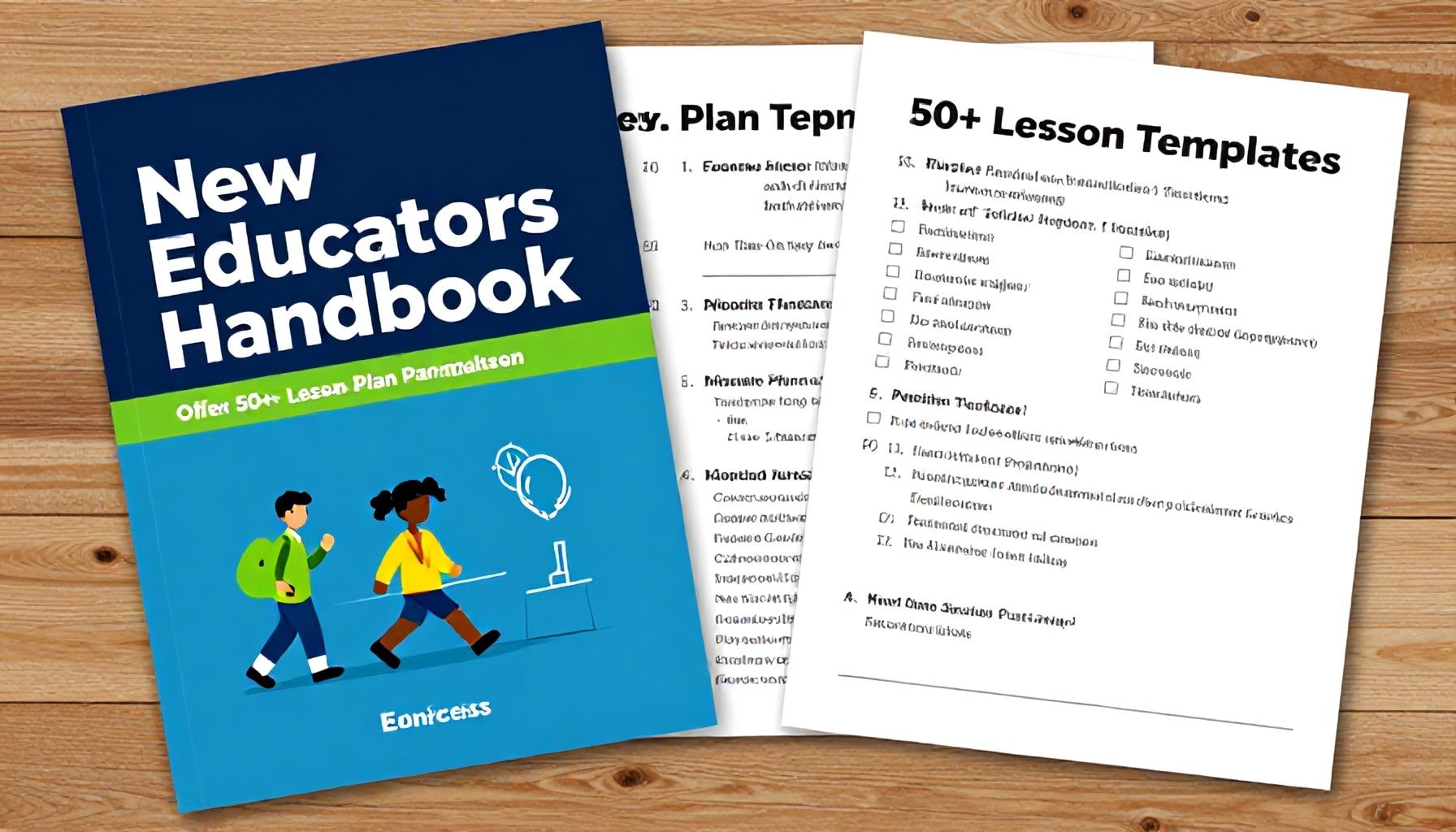
The newly released Educators Handbook offers over 50 customizable lesson plan templates, designed to save time and inspire creativity. This comprehensive guide addresses the practical needs of teachers across all grade levels and subjects. The Educators Handbook doesn’t just provide templates; it offers strategies for differentiated instruction, assessment techniques, and classroom management tips. With this resource, educators can focus less on planning and more on what truly matters—inspiring their students.
Crafting the Ultimate Teaching Resource
New educators often find themselves overwhelmed by the sheer volume of planning required to create engaging, effective lessons. The New Educators Handbook addresses this challenge head-on by offering a comprehensive collection of over 50 lesson plan templates. These resources cover a wide range of subjects, grade levels, and teaching styles, providing a solid foundation for educators to build upon.
Each template is designed with flexibility in mind. They include clear, concise instructions and adaptable structures, allowing teachers to tailor them to their specific classroom needs. For instance, a science lesson plan might include sections for hands-on experiments, discussion questions, and assessment methods. Meanwhile, a language arts template could focus on reading comprehension strategies, writing prompts, and group activities.
Research shows that well-structured lesson plans can significantly improve student engagement and academic performance. According to a study by the National Center for Education Statistics, teachers who use detailed lesson plans report higher levels of student participation and achievement. The New Educators Handbook leverages this insight by providing templates that emphasize active learning and student-centered approaches.
Beyond the templates, the handbook includes practical tips for differentiating instruction, integrating technology, and assessing student progress. These additional resources help new educators develop a holistic approach to lesson planning. By combining structured templates with flexible strategies, the handbook equips teachers with the tools they need to create dynamic, effective lessons that meet the diverse needs of their students.
Inside the Handbook's Comprehensive Templates
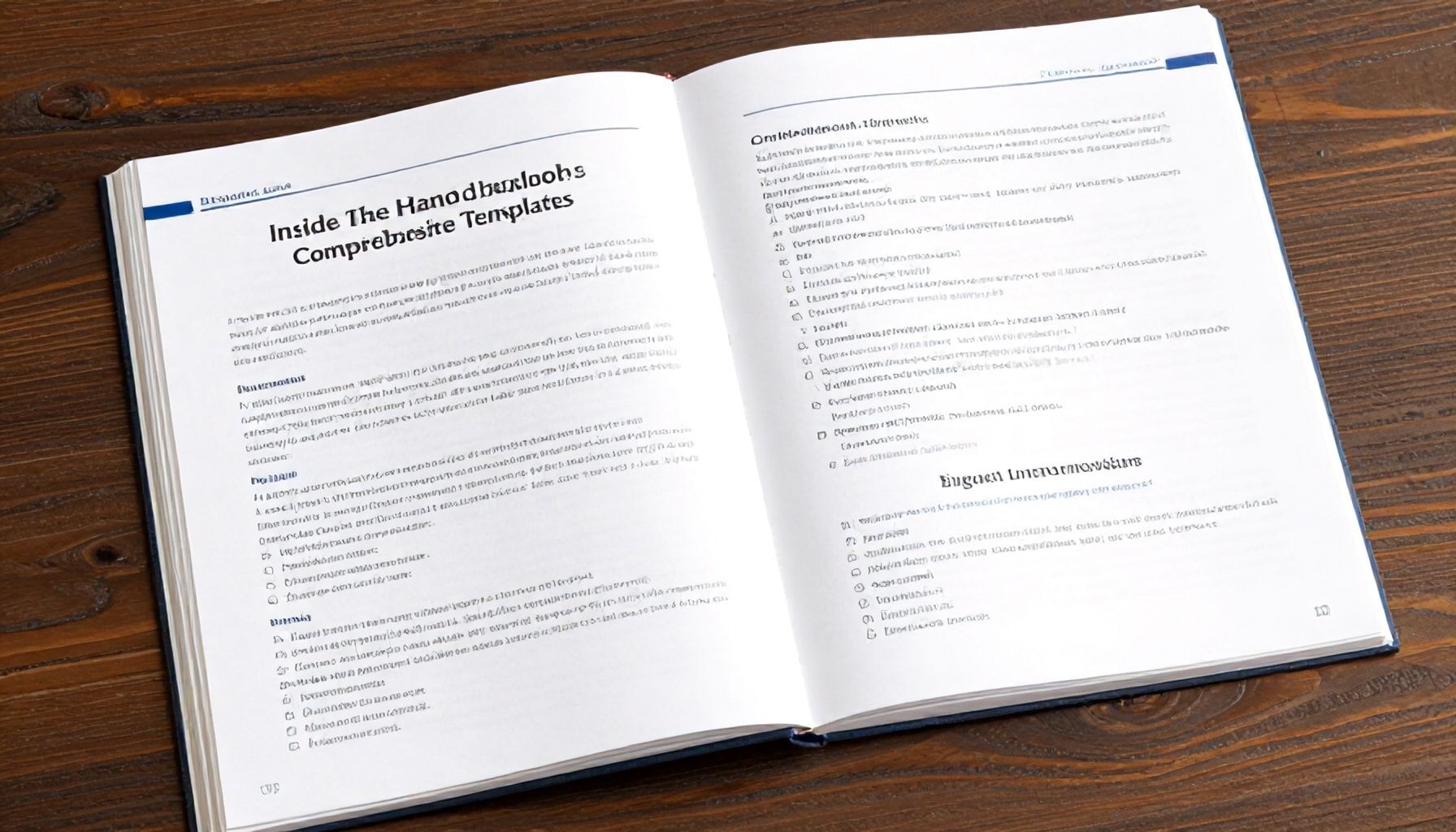
The Educators Handbook doesn’t just offer quantity with its 50+ lesson plan templates—it delivers quality. Each template is meticulously designed to cater to diverse teaching styles and subjects. From elementary math to high school literature, the handbook provides structured frameworks that educators can customize to fit their unique classroom dynamics. This adaptability is crucial, as a study by the National Education Association found that 78% of teachers report needing flexible resources to effectively engage students.
One standout feature is the handbook’s emphasis on differentiated instruction. Templates include sections for varied learning activities, ensuring that lessons can be tailored to students with different learning paces and styles. For instance, a science lesson template might include options for hands-on experiments, group discussions, and individual research projects. This approach aligns with recommendations from educational experts, who stress the importance of accommodating diverse learning needs to foster an inclusive classroom environment.
Beyond lesson planning, the handbook also includes templates for unit plans, assessment tools, and even parent communication. These additional resources help educators streamline their workflow and maintain consistency throughout the academic year. The inclusion of these tools reflects a holistic approach to teaching, recognizing that effective education extends beyond the classroom walls. By providing a comprehensive suite of templates, the Educators Handbook empowers teachers to focus more on instruction and less on administrative tasks.
Customizing Lessons for Diverse Classrooms
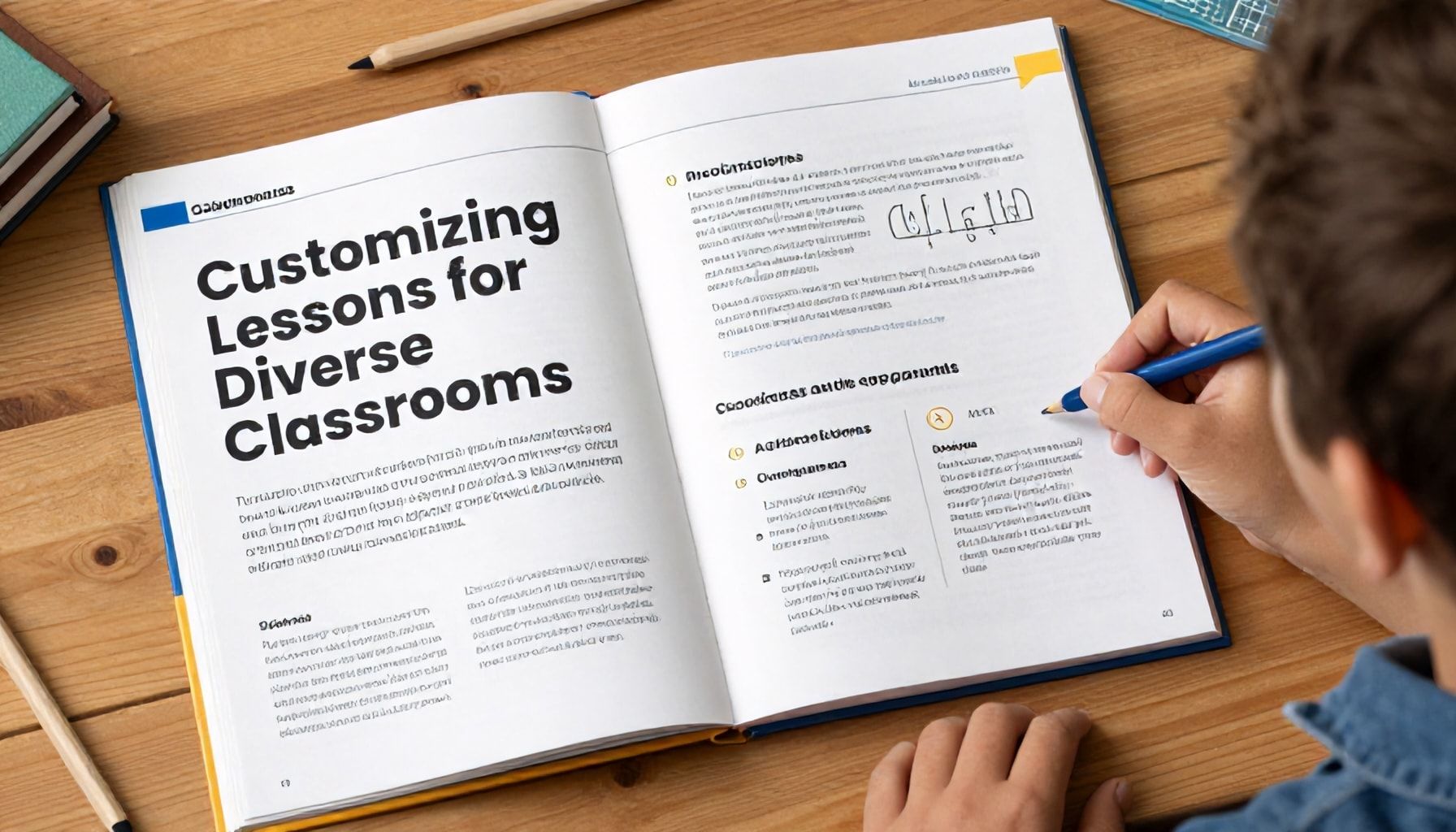
Educators face the challenge of catering to diverse learning needs in today’s classrooms. The new Educators Handbook addresses this with customizable lesson plan templates designed to accommodate various learning styles and abilities. With a focus on differentiation, the handbook provides strategies for tailoring lessons to meet individual student needs, ensuring no learner is left behind.
A study by the National Center for Education Statistics found that 14% of public school students in the U.S. receive special education services. To support these students, the handbook includes templates for individualized education plans (IEPs) and 504 plans. These tools help educators create structured, accessible lessons that align with students’ unique requirements.
Beyond special education, the handbook offers templates for English language learners, gifted students, and those with varying learning paces. It emphasizes the use of multimedia, hands-on activities, and collaborative projects to engage diverse learners. By providing a range of customizable options, the handbook empowers educators to create inclusive, dynamic learning environments.
Experts agree that differentiated instruction leads to improved student outcomes. The Educators Handbook equips new teachers with the resources they need to implement these strategies effectively. With over 50 customizable lesson plan templates, educators can confidently address the diverse needs of their students.
Integrating Technology with Traditional Methods
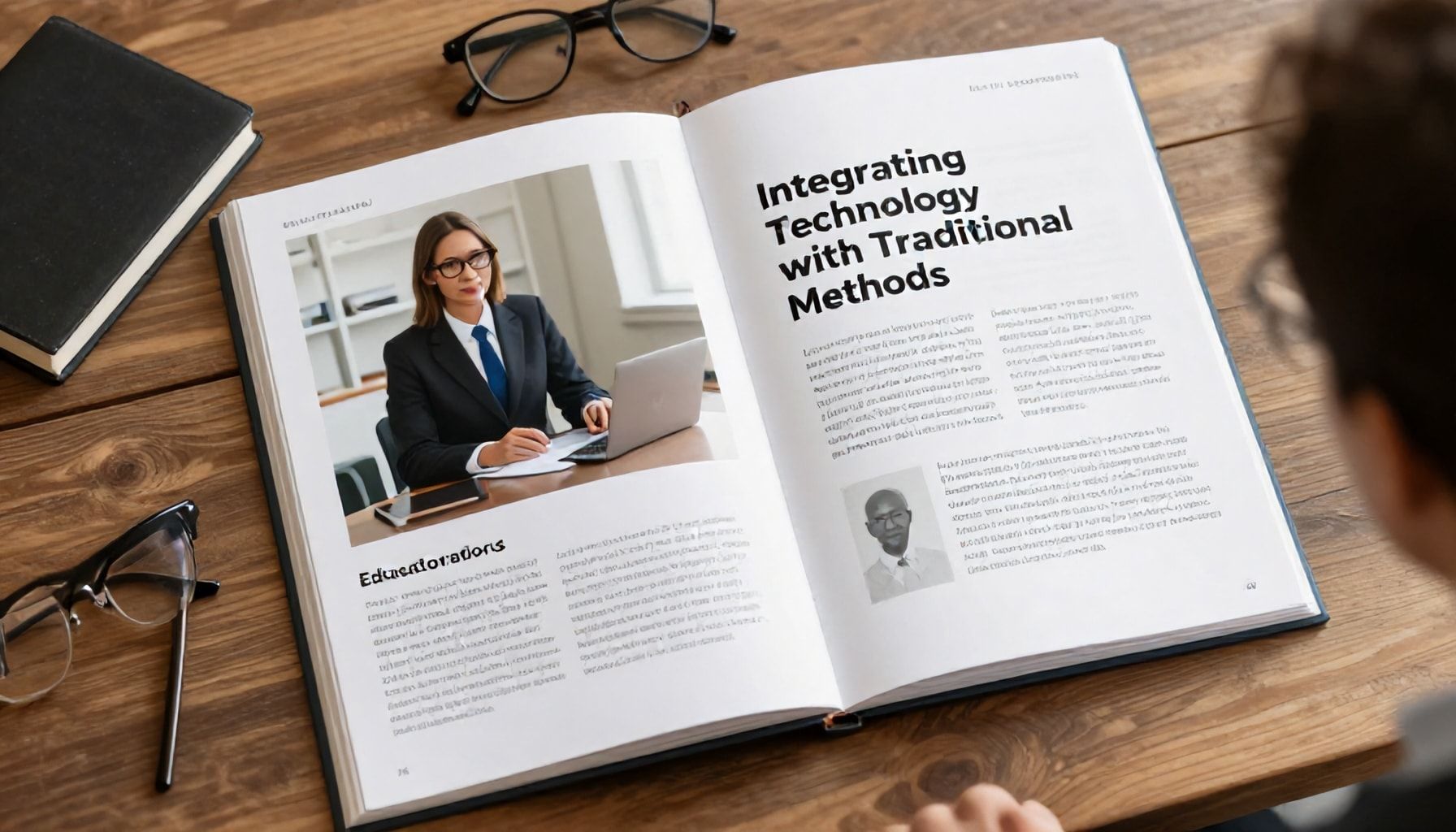
The handbook bridges the gap between time-honored teaching practices and cutting-edge educational technology. It provides educators with practical strategies for seamlessly integrating digital tools into traditional lesson plans. For instance, teachers can use interactive whiteboards to enhance classic chalk-and-talk methods, making lessons more engaging while maintaining the core instructional benefits.
Research indicates that blended learning approaches, which combine traditional and digital methods, can improve student outcomes by up to 20%. The handbook capitalizes on this trend by offering templates that incorporate multimedia elements, such as videos and interactive simulations, alongside traditional text-based materials. This dual approach caters to diverse learning styles and keeps students more engaged.
A leading educational consultant emphasizes the importance of flexibility in modern teaching. The handbook reflects this by providing adaptable templates that can be customized to fit various classroom settings and subjects. Whether educators are teaching math, science, or language arts, they can find templates that align with their specific needs and integrate technology effectively.
One standout feature is the inclusion of rubrics for assessing both traditional and digital assignments. This ensures that educators can maintain consistent standards while embracing new technologies. By offering clear guidelines for evaluation, the handbook helps teachers feel more confident in their ability to integrate technology without compromising academic rigor.
Shaping the Future of Education
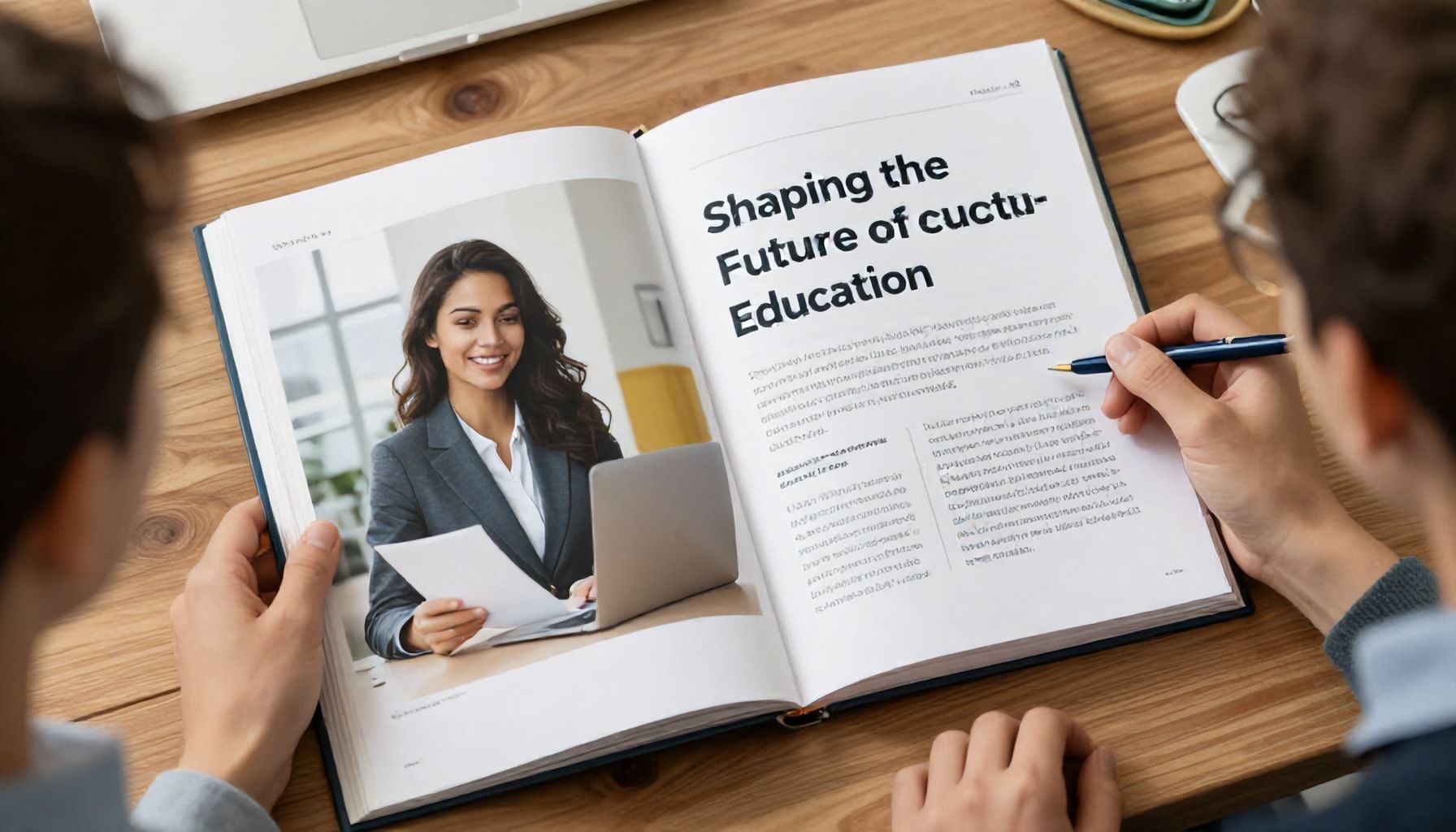
The New Educators Handbook isn’t just a collection of lesson plans; it’s a roadmap for transforming education. With over 50 customizable templates, educators can design dynamic learning experiences that cater to diverse student needs. The handbook emphasizes project-based learning, encouraging students to apply knowledge in real-world contexts. This approach fosters critical thinking and collaboration, skills essential for 21st-century success.
A recent study by the National Education Association found that teachers who incorporate project-based learning see a 25% increase in student engagement. The handbook builds on this research, providing educators with the tools to implement such strategies effectively. Each template includes clear objectives, step-by-step instructions, and assessment criteria, making it easy for teachers to integrate into their existing curriculum.
Experts agree that personalized learning is key to shaping the future of education. The New Educators Handbook supports this by offering templates that can be adapted to different learning styles and paces. Whether it’s through differentiated instruction or adaptive assessments, the handbook ensures that every student has the opportunity to thrive. By embracing these innovative approaches, educators can create inclusive and equitable learning environments.
Beyond lesson plans, the handbook includes resources for professional development and community engagement. It encourages educators to collaborate with peers, share best practices, and continuously refine their teaching methods. This holistic approach not only benefits students but also empowers educators to grow and adapt in their careers. The New Educators Handbook is more than a tool; it’s a catalyst for educational transformation.
The New Educators Handbook is a game-changer for teachers seeking to streamline their lesson planning process. With over 50 customizable templates, it provides a solid foundation for engaging and effective instruction across all subjects and grade levels. To maximize its potential, educators should explore the handbook’s digital resources and adapt templates to fit their unique classroom dynamics. As education continues to evolve, this handbook will remain a valuable tool, empowering teachers to navigate new challenges and inspire the next generation of learners.