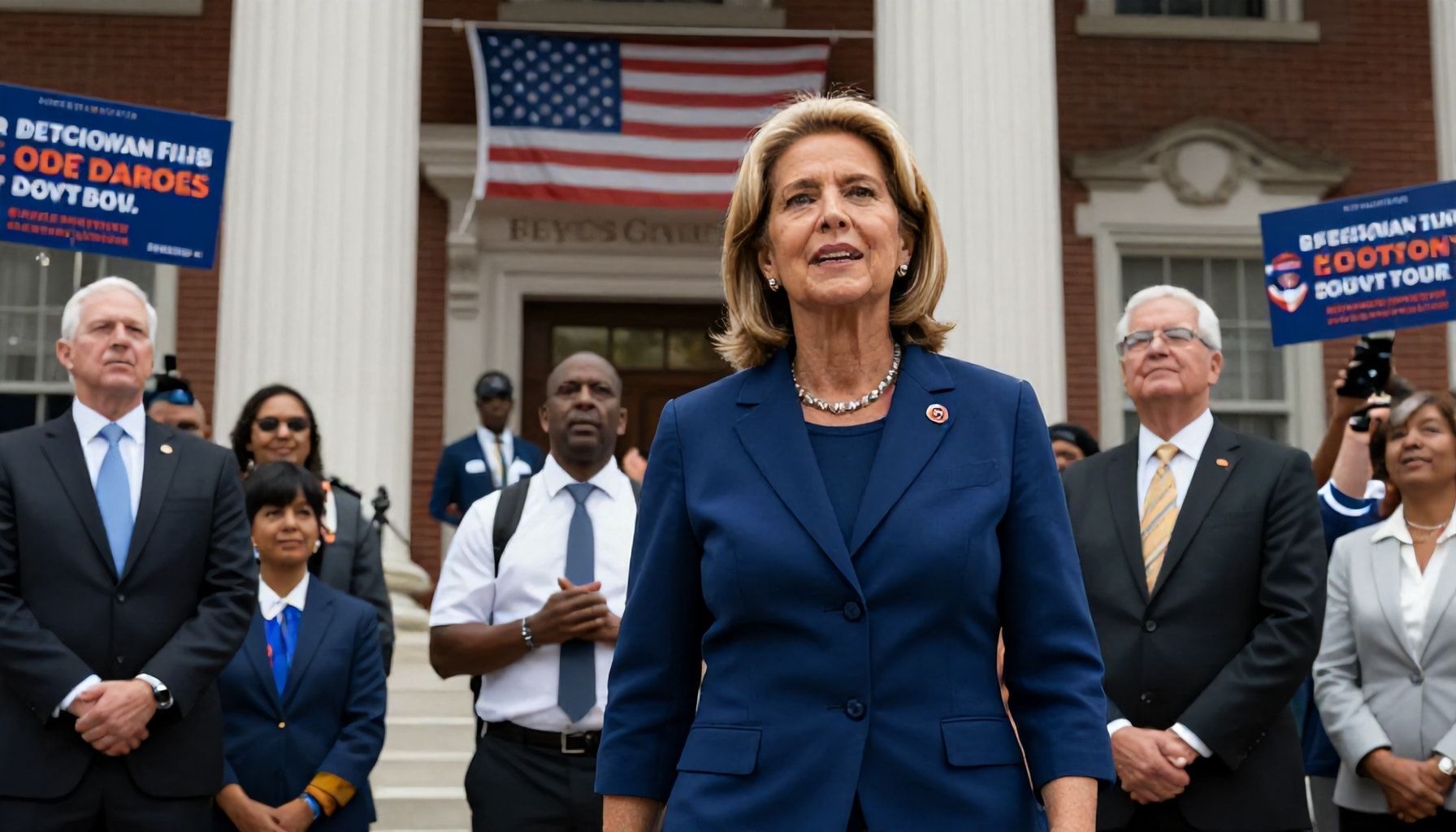
Education Secretary Betsy DeVos has launched a 10-state tour, aiming to rally support for her vision of returning education to the states. This initiative, dubbed the “Returning Education to the States Tour,” seeks to emphasize local control over national standards and policies. DeVos’s first stop was Oklahoma, where she met with state education leaders and advocates to discuss the benefits of decentralizing education.
The “Returning Education to the States Tour” comes at a time when debates over education policy are intensifying. Parents, educators, and policymakers are increasingly questioning the one-size-fits-all approach to education. DeVos’s tour highlights the importance of tailoring education to meet the unique needs of each state, community, and student. By engaging with local stakeholders, she aims to build momentum for a shift that empowers states to innovate and improve their education systems.
Federal Education Policy Shift Sparks Debate Nationally
Education Secretary Betsy DeVos has ignited a national conversation about federal education policy with her “Return to States” tour, visiting 10 states to advocate for localized education decisions. The tour, which kicked off in Iowa and will conclude in New Mexico, has drawn both praise and criticism from educators, policymakers, and parents. DeVos argues that state and local governments are better equipped to address the unique needs of their communities, a perspective that resonates with many conservative lawmakers.
At a town hall in Des Moines, DeVos highlighted the success of states like Florida, which has implemented a robust school choice program. “Florida’s approach has led to significant improvements in student outcomes,” she said, citing a 2019 study that found charter school students in the state made greater academic gains than their traditional public school counterparts. This data point has fueled the debate, with some education experts arguing that Florida’s success is not easily replicable in other states.
Critics, however, contend that DeVos’s push for state control could exacerbate educational inequities. Randi Weingarten, president of the American Federation of Teachers, argued that federal oversight is crucial for ensuring that all students receive a quality education, regardless of their zip code. She pointed to disparities in funding and resources between wealthy and poor districts, which could widen without federal intervention.
As DeVos continues her tour, the debate over federal versus state control of education is likely to intensify. The tour has already sparked lively discussions in communities across the country, with many parents and educators weighing in on the best way to serve students. The outcome of this debate could shape the future of American education for years to come.
Returning Education to the States: A Long-Standing Debate
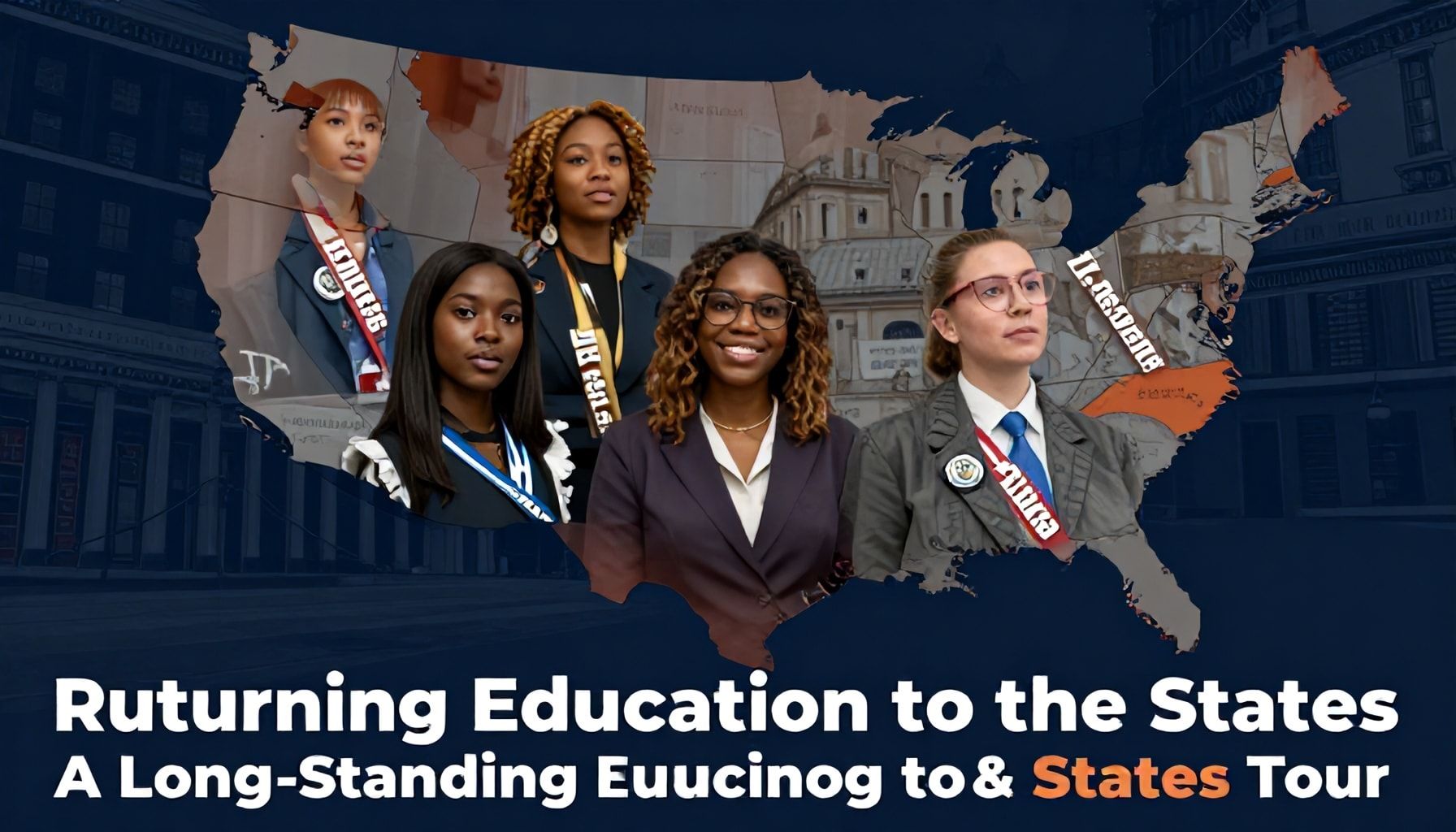
Betsy DeVos’s 10-state education tour shines a spotlight on the long-standing debate about returning education control to the states. The U.S. Secretary of Education has consistently advocated for local control, arguing that states and communities know their students’ needs best. This perspective aligns with a growing sentiment among some policymakers and educators who believe that state and local governments should have more authority over education policy.
Critics, however, express concerns about the potential consequences of shifting educational control to the states. They argue that such a move could lead to disparities in educational quality and opportunities across different regions. According to a recent report by the Education Law Center, states with higher poverty rates often struggle to provide adequate funding for their schools, exacerbating existing inequalities. This concern underscores the complexity of the debate surrounding educational federalism.
Supporters of state control point to successful examples of innovation and improvement in state-led education initiatives. They highlight states like Florida and Texas, which have implemented comprehensive education reforms that have shown promising results. These advocates contend that state-level decision-making allows for more tailored and responsive education policies that can better address local challenges and opportunities.
The debate is far from settled, and DeVos’s tour is likely to reignite discussions about the role of the federal government in education. As she engages with state officials, educators, and community members, the conversation will continue to evolve, with both sides presenting compelling arguments. The outcome of this debate will significantly shape the future of education policy in the United States.
DeVos' Ten-State Tour: A Close-Up Look at Local Reforms
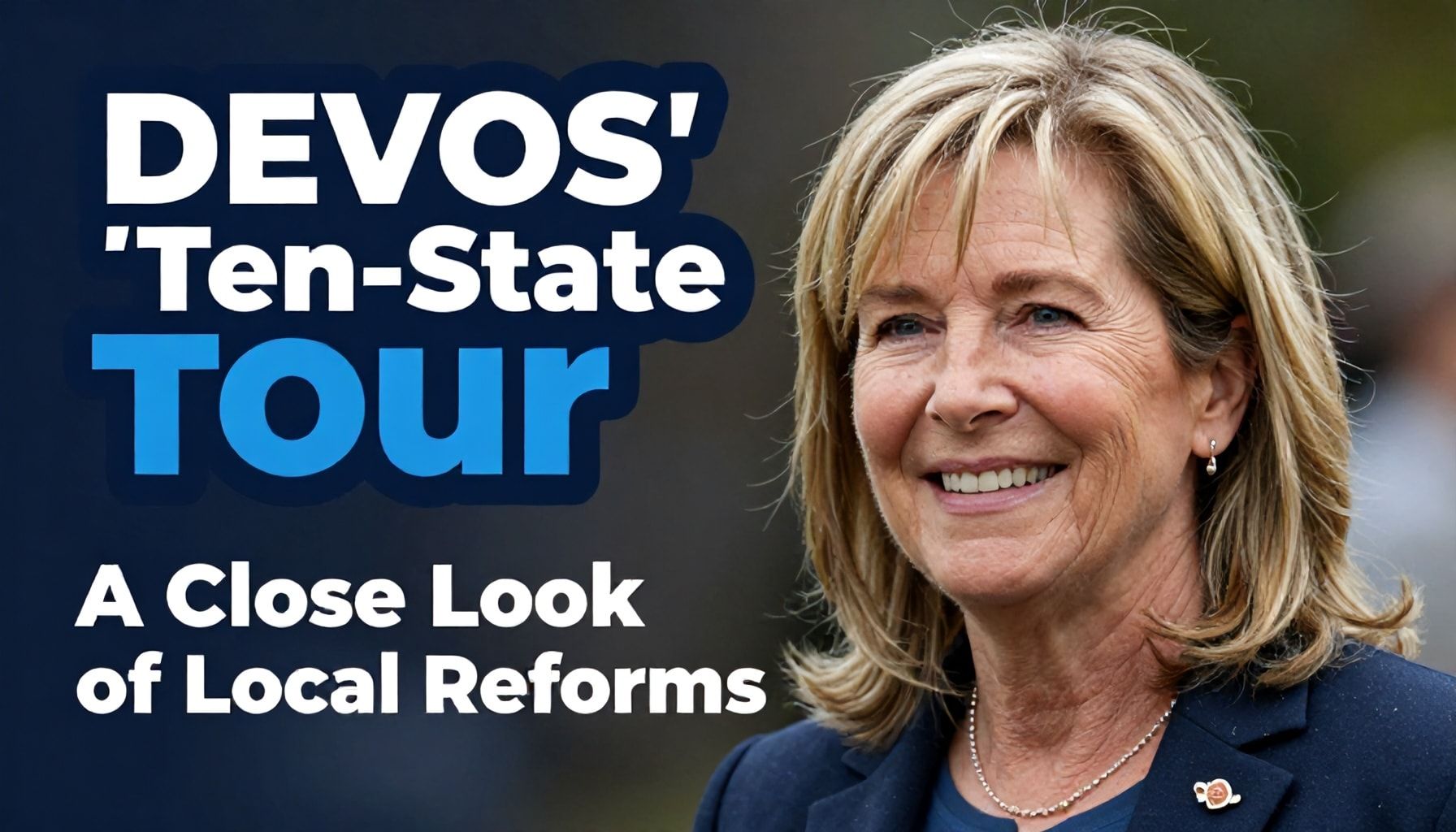
Education Secretary Betsy DeVos kicked off her ten-state tour with a clear mission: returning education decisions to the states. The first stop was Iowa, where she met with local officials to discuss the state’s innovative approach to school choice. DeVos highlighted Iowa’s Education Savings Account program, which allows parents to customize their children’s education. The program has seen a 15% increase in participation since its inception, reflecting growing parental demand for educational flexibility.
In Missouri, DeVos visited a charter school in Kansas City, engaging with students and teachers about the school’s success. The school serves a diverse student body, with 60% of students coming from low-income families. DeVos emphasized the importance of local control in education, stating, “When decisions are made closer to the students, they are more likely to be effective and tailored to their needs.”
DeVos’ tour also took her to Colorado, where she met with Governor Jared Polis to discuss the state’s education reforms. The conversation focused on Colorado’s efforts to expand access to high-quality education in rural areas. According to a recent report by the Education Commission of the States, Colorado ranks among the top ten states for educational innovation. DeVos praised the state’s commitment to improving educational outcomes for all students.
As the tour continues, DeVos plans to visit schools and meet with educators, parents, and students in each state. Her goal is to gather insights and share ideas about how federal policy can best support state-led education reforms. The tour underscores DeVos’ belief in the power of local control and innovation in education.
State-Level Control: Opportunities and Challenges Ahead
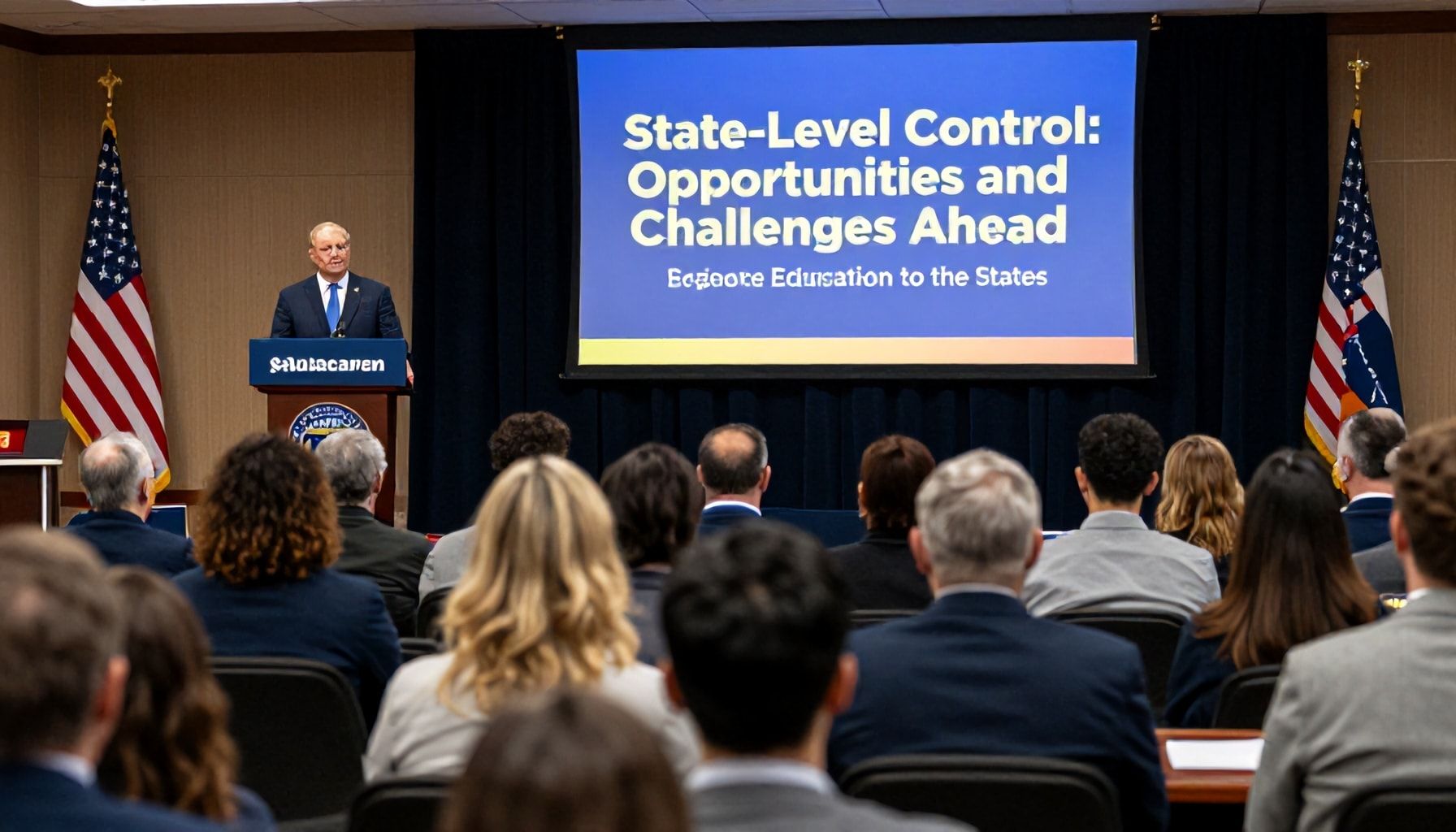
Education Secretary Betsy DeVos has launched a 10-state tour, emphasizing the Trump administration’s commitment to returning control of education to state and local governments. This shift, a departure from federal oversight, aims to empower local communities to tailor education to their unique needs. However, the path is not without obstacles, as states grapple with varying resources and political landscapes.
Proponents argue that state-level control fosters innovation and accountability. A recent report by the Education Commission of the States highlights that states with more local control tend to show higher student engagement and tailored curriculum development. For instance, states like Florida and Indiana have implemented school choice programs that have shown promising results in improving student outcomes. These successes serve as a testament to the potential benefits of decentralized education systems.
Yet, challenges loom large. Funding disparities between states could exacerbate educational inequalities. A recent study found that per-pupil spending varies significantly across states, with some spending nearly double what others do. This disparity could widen achievement gaps if not addressed proactively. Additionally, political divisions within states may hinder consensus on education policies, slowing down progress and implementation.
As DeVos continues her tour, she faces a delicate balance. While her message resonates with those advocating for local control, she must also acknowledge the complexities and potential pitfalls. The success of this initiative hinges on states’ ability to navigate these challenges and create equitable, effective education systems that serve all students.
Ultimately, the tour serves as a catalyst for a broader conversation about the future of education in America. It remains to be seen whether state-level control will unlock new opportunities or reveal deeper systemic issues that require federal intervention. The coming months will be crucial in shaping the direction of education policy in the United States.
Education Reform on the Ground: Community Perspectives Matter
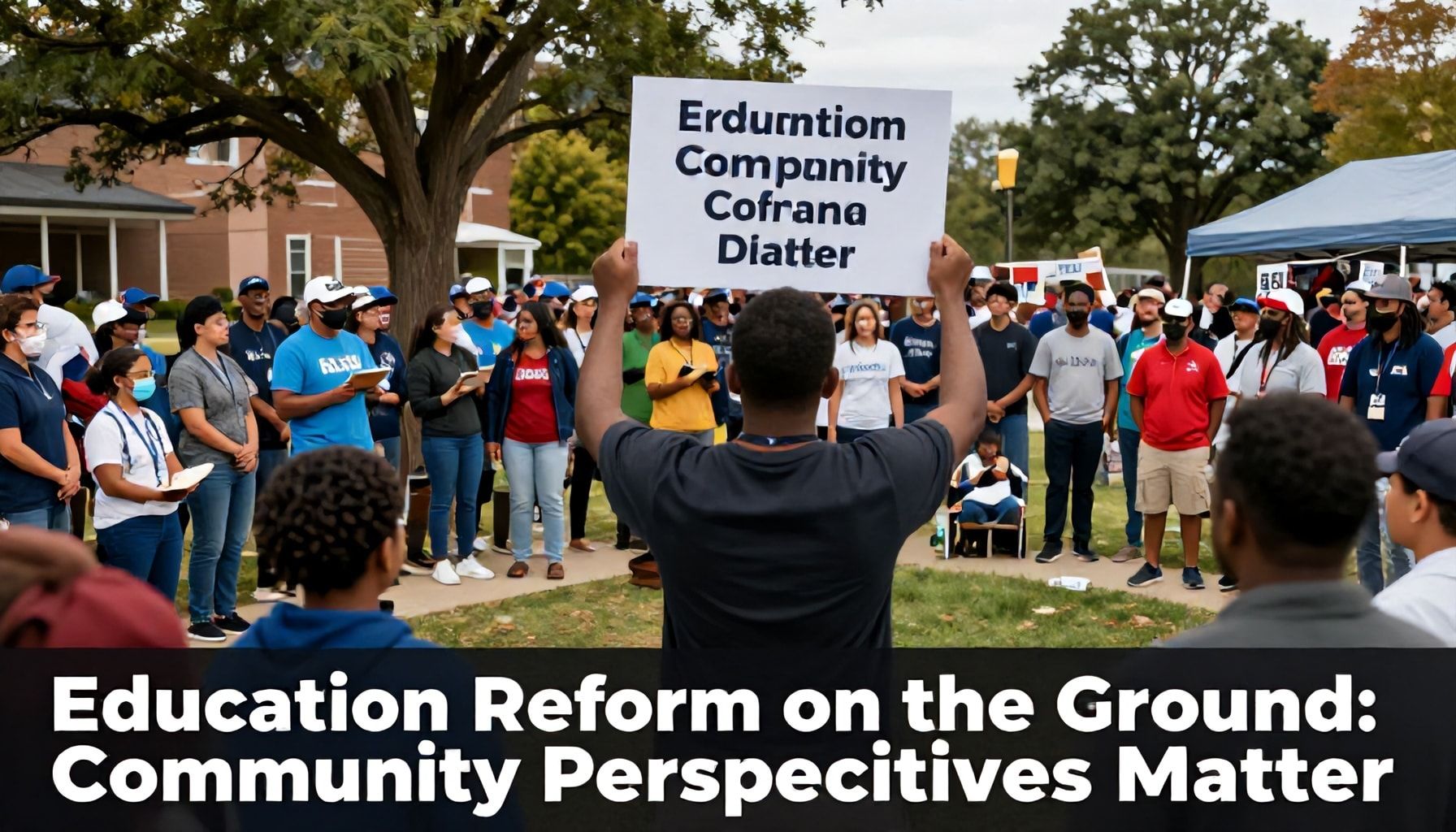
Betsy DeVos’s 10-state education tour, “Returning Education to the States,” has sparked lively discussions in local communities. In each stop, the Education Secretary engages with educators, parents, and students to gather insights on how federal policies impact local classrooms. The tour underscores the administration’s commitment to understanding grassroots perspectives on education reform.
Community feedback has been diverse and passionate. In Ohio, educators emphasized the need for increased funding for vocational training programs. A local superintendent noted that 60% of their district’s graduates pursue technical careers, yet state funding for these programs has stagnated. Meanwhile, in Colorado, parents advocated for expanded school choice options, particularly in rural areas where district boundaries limit access to quality education.
Experts agree that local input is crucial for effective education policy. According to a recent report by the Education Policy Institute, policies designed with community involvement are 30% more likely to succeed. DeVos’s tour aims to bridge the gap between federal mandates and local needs, fostering a collaborative approach to education reform.
As the tour continues, the focus remains on practical solutions. In Texas, discussions centered on teacher retention, with many educators citing low salaries and lack of professional development as key challenges. The Secretary listened intently, promising to bring these concerns to the national conversation. The tour serves as a reminder that education reform is not a one-size-fits-all endeavor, but a collective effort that thrives on community perspectives.
Betsy DeVos’s 10-state education tour underscores her commitment to returning control of education to the states, a cornerstone of her tenure as Secretary of Education. By emphasizing local decision-making, she aims to foster innovation and accountability in education systems across the country. To effectively implement this vision, state officials should engage with local educators, parents, and communities to understand their unique needs and challenges. Looking ahead, the impact of DeVos’s tour will likely shape the future of education policy, encouraging a more tailored and responsive approach to learning at the state and local levels.