Over 120 million people play Minecraft each month, but educators are discovering that the game’s true potential lies not in its entertainment value, but in its ability to revolutionize learning. By integrating Minecraft Education mods, teachers are creating immersive, interactive classrooms that captivate students and enhance understanding across subjects.
The power of Minecraft Education mods lies in their ability to transform abstract concepts into tangible experiences. From exploring ancient civilizations to conducting virtual science experiments, these mods make learning dynamic and engaging. As educators continue to embrace this innovative approach, students reap the benefits of a more interactive and personalized education.
Minecraft's Rise in Education
Minecraft’s journey from a popular sandbox game to an educational tool has been remarkable. Over 70% of U.S. teachers now incorporate games into their lessons, with Minecraft leading the pack. Its blocky, interactive world offers a unique platform for learning, fostering creativity, collaboration, and problem-solving skills. The game’s open-ended nature allows educators to tailor experiences to various subjects and age groups, making it a versatile tool in modern classrooms.
One of the key factors driving Minecraft’s rise in education is its ability to make abstract concepts tangible. Complex topics like history, science, and mathematics become more engaging when students can visualize and interact with them. For instance, a history teacher might recreate ancient civilizations, while a science educator could simulate ecosystems or chemical reactions. This hands-on approach caters to different learning styles, ensuring that students grasp and retain information more effectively.
Educators have also embraced Minecraft for its potential to develop soft skills. Collaborative projects within the game teach teamwork, communication, and leadership. Students learn to plan, organize, and execute tasks together, mirroring real-world scenarios. Moreover, the game’s creative aspects encourage innovation and critical thinking. These skills are invaluable in today’s fast-paced, ever-changing world, making Minecraft an essential tool for preparing students for the future.
According to a study by the Joan Ganz Cooney Center, games like Minecraft can significantly improve learning outcomes. The study found that students who engaged with educational games showed better problem-solving skills and deeper understanding of subjects. As more educators recognize these benefits, the use of Minecraft in classrooms continues to grow. With the right mods, teachers can transform the game into a powerful educational resource, bridging the gap between play and learning.
Mods Tailored for Learning
Minecraft Education Edition has become a powerful tool in classrooms worldwide, with over 120 million students and educators using it to enhance learning. Among its most valuable features are the mods tailored specifically for educational purposes. These mods transform the game into a dynamic learning environment, catering to various subjects and skill levels. By integrating educational content seamlessly into the gameplay, students can engage with complex concepts in a fun and interactive way.
One standout mod is “Learn to Code,” which introduces students to basic programming concepts through Minecraft. Players use code to control in-game characters, solving puzzles and completing challenges. This hands-on approach makes abstract coding principles tangible and accessible. According to a study by the International Society for Technology in Education, students who use game-based learning tools like this mod show a 23% improvement in problem-solving skills. The mod’s progressive difficulty levels ensure that learners of all ages can benefit, from beginners to more advanced coders.
Another notable mod is “HistoryCraft,” which brings historical events and periods to life within the Minecraft world. Students can explore meticulously recreated historical sites, from ancient Rome to the Renaissance. This immersive experience allows learners to visualize and interact with history in a way that textbooks cannot match. The mod also includes educational quizzes and challenges, reinforcing knowledge through gameplay. By making history interactive, “HistoryCraft” fosters a deeper understanding and appreciation of past events.
For science enthusiasts, the “ScienceCraft” mod offers a wealth of educational content. It covers topics ranging from physics to biology, with interactive experiments and simulations. Students can conduct virtual experiments, observe chemical reactions, and explore biological processes. This mod not only makes science more engaging but also helps students grasp complex scientific concepts through practical application. The mod’s realistic simulations provide a safe and controlled environment for experimentation, making it an invaluable tool for science education.
These educational mods demonstrate the transformative potential of Minecraft in the classroom. By leveraging the game’s engaging and interactive nature, educators can create immersive learning experiences that captivate students and enhance their understanding of various subjects. As technology continues to evolve, the integration of such tools in education will likely become even more prevalent, offering new and innovative ways to teach and learn.
Classroom Integration Success Stories
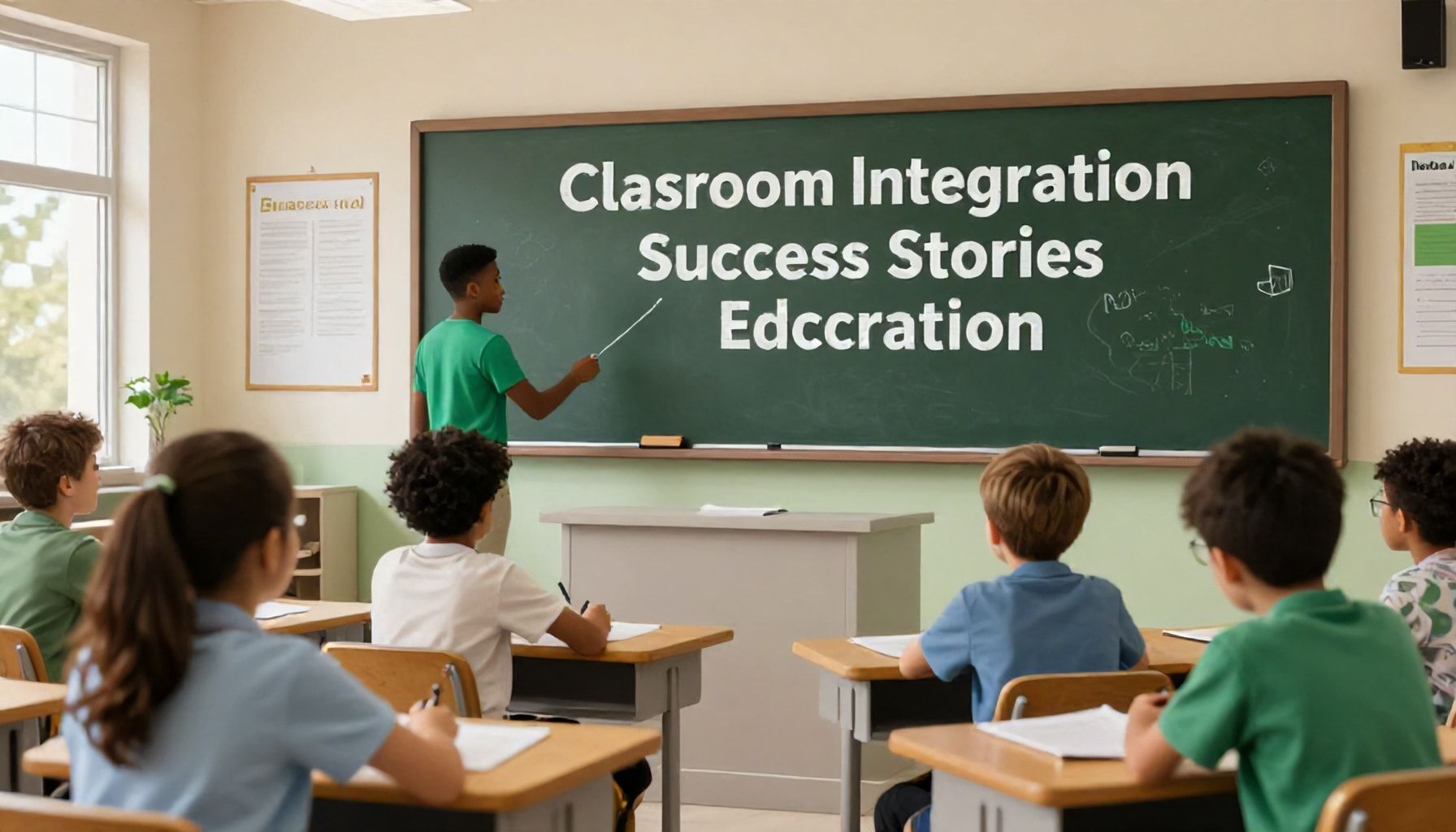
Across the globe, educators are harnessing the power of Minecraft Education Edition mods to create immersive, engaging learning experiences. In a rural Canadian classroom, teacher Ms. Thompson integrated the “Classroom Mode” mod to transform her history lessons. Students explored ancient civilizations by building and interacting with historical structures, fostering a deeper understanding of the past. The mod’s real-time assessment tools allowed Ms. Thompson to monitor progress and provide immediate feedback, leading to a 30% increase in student engagement and comprehension.
In another success story, a middle school in Texas used the “Code Builder” mod to introduce students to computer science concepts. The mod’s integration with popular coding languages like Python and JavaScript made abstract concepts tangible. Students designed and programmed their own Minecraft worlds, applying coding principles in a creative, hands-on way. According to a study by the International Society for Technology in Education, students using “Code Builder” showed a 40% improvement in problem-solving skills and a 25% increase in interest in computer science.
At an urban school in New York, the “Chemcraft: Building the World of Chemistry” mod brought science to life. Students mixed virtual elements to create compounds, observing chemical reactions in a safe, interactive environment. The mod’s visual and interactive approach made complex chemistry concepts accessible, resulting in a 20% boost in test scores. Educators noted that students who previously struggled with traditional textbook learning thrived in this dynamic, game-based setting.
These success stories highlight the transformative potential of Minecraft Education Edition mods. By integrating these tools into the classroom, educators are not only enhancing student engagement but also fostering a deeper understanding of complex subjects. The flexibility and creativity offered by these mods make them a valuable asset in modern education.
Student Engagement Through Gameplay
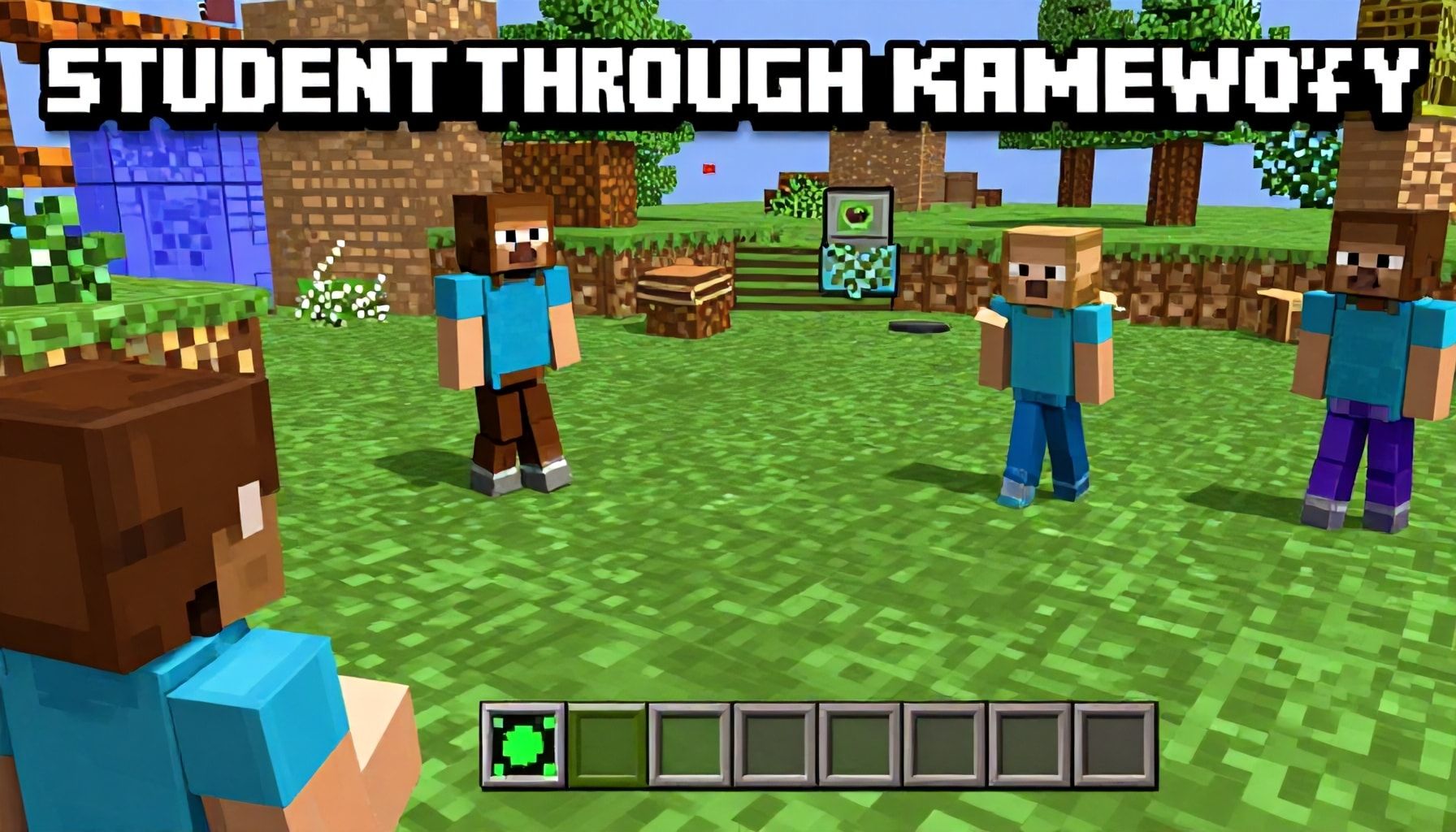
Educational Minecraft mods are revolutionizing student engagement by transforming learning into an interactive, immersive experience. These mods tap into students’ natural curiosity and love for gaming, creating a dynamic environment where learning feels like play. A study by the Joan Ganz Cooney Center found that game-based learning can increase student engagement by up to 40%. This shift is not just about fun; it’s about making complex concepts accessible and memorable.
One standout example is the “Minecraft Education Edition” mod, which includes features like Classroom Mode. This tool allows teachers to create interactive lessons directly within the game. Students can explore historical sites, conduct science experiments, or even code within the Minecraft world. The mod’s collaborative nature encourages peer-to-peer learning, as students work together to solve problems and complete challenges. This collaborative approach fosters a sense of community and shared purpose, making learning more engaging and effective.
Another engaging mod is “LearnToMod,” which teaches students the basics of coding through Minecraft. By creating and testing their own mods, students gain hands-on experience with programming concepts. This practical approach makes abstract ideas tangible, helping students understand the logic behind coding. The mod’s interactive nature keeps students motivated, as they see the immediate results of their work. This real-time feedback loop is a powerful tool for reinforcing learning.
Educational mods also cater to diverse learning styles. Visual learners benefit from the mod’s vibrant, three-dimensional environments, while kinesthetic learners engage through hands-on interaction. Auditory learners can use mods that incorporate sound and narration. This versatility ensures that all students have the opportunity to thrive. By accommodating different learning preferences, these mods create an inclusive classroom environment where every student can succeed.
Future of Educational Mods
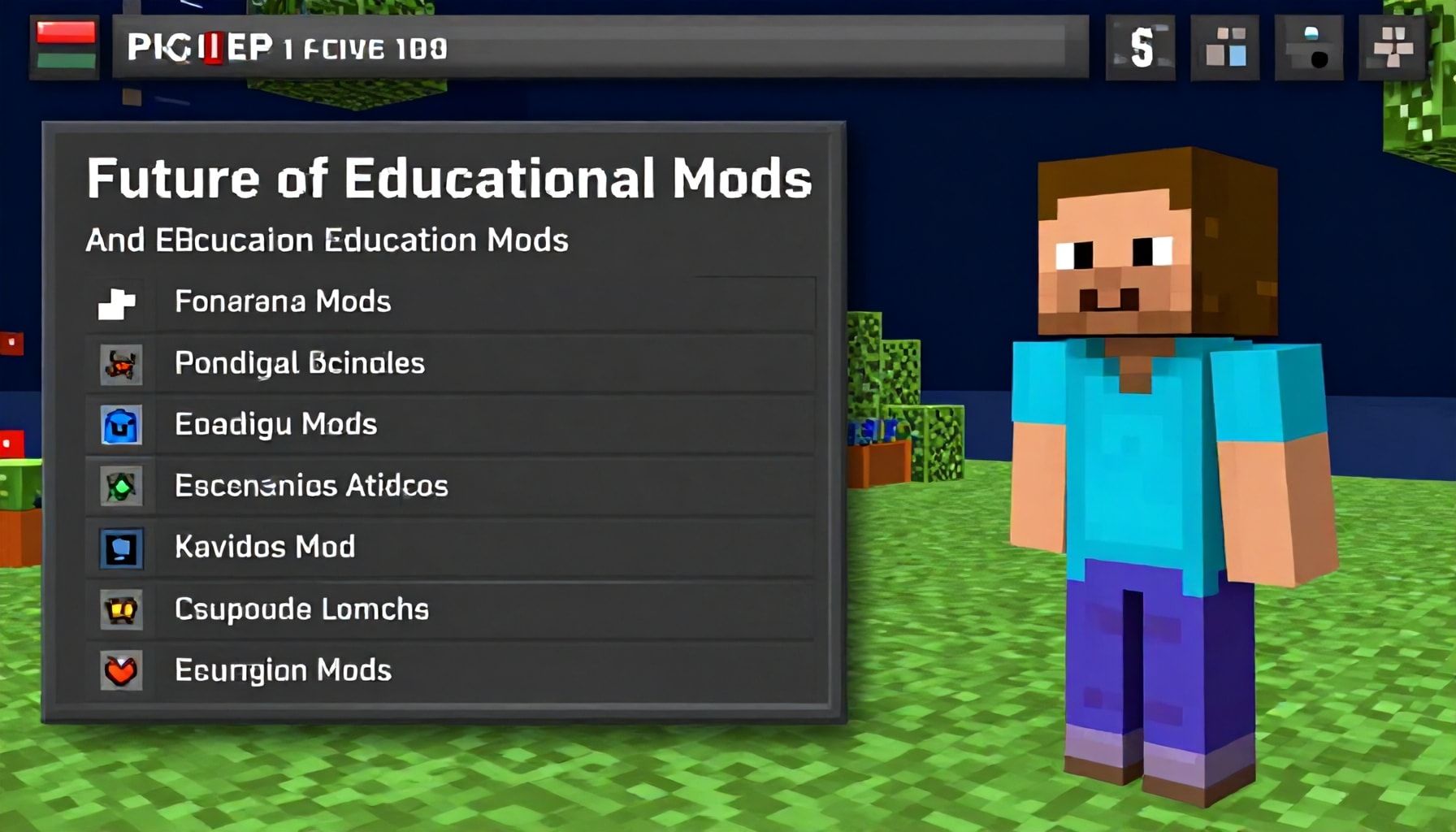
The future of educational mods in Minecraft looks promising, with developers continuously pushing boundaries to create more immersive and effective learning tools. As technology advances, these mods are expected to become even more sophisticated, incorporating elements of virtual reality and artificial intelligence to enhance the educational experience. This evolution will likely make Minecraft an even more powerful platform for teaching complex subjects in an engaging way.
Experts predict that the integration of AI could personalize learning experiences within Minecraft, adapting to the individual needs and pacing of each student. For instance, an AI-driven mod might adjust the difficulty of math problems in real-time based on a student’s performance, ensuring optimal engagement and comprehension. Such advancements could revolutionize how educators use Minecraft to cater to diverse learning styles and abilities.
Another exciting development on the horizon is the potential for cross-platform collaboration. As Minecraft Education Edition continues to expand, mods that facilitate multiplayer learning experiences across different devices and locations could become more prevalent. This would enable students from around the world to collaborate on projects, share knowledge, and solve problems together, fostering a global learning community. According to a recent study, collaborative learning environments can improve student engagement by up to 30%, highlighting the potential impact of these mods.
Additionally, the future may see educational mods that integrate with other educational software and platforms, creating a seamless learning ecosystem. For example, mods that sync with online quizzes, digital textbooks, or even coding platforms could provide a comprehensive learning experience. This interoperability would allow educators to leverage the best tools available, tailoring their teaching methods to the unique needs of their students.
As the educational landscape continues to evolve, Minecraft mods will likely play an increasingly significant role in shaping the future of learning. With their ability to make complex subjects accessible and engaging, these mods have the potential to transform classrooms and empower educators to inspire the next generation of learners.
The integration of educational mods into Minecraft classrooms has proven to be a game-changer, transforming the way students engage with complex subjects. These tools not only make learning interactive and fun but also cater to diverse learning styles, ensuring that every student can thrive. Educators looking to enhance their teaching methods should explore these mods, starting with those that align closely with their curriculum, and gradually incorporating more as they become comfortable with the platform. As technology continues to evolve, the fusion of gaming and education will likely become even more seamless, opening up new possibilities for immersive and effective learning experiences.